




Al-Azhar: A Pillar of Islamic Scholarship
Al-Azhar University, based in Cairo, Egypt, is one of the oldest and most respected centers of Islamic learning. Its scholars have provided extensive guidance on contemporary issues, including organ transplantation. Al-Azhar’s rulings carry significant influence, particularly across Sunni Muslim communities, shaping medical ethics and religious practice alike.
Permissibility of Organ Donation
Al-Azhar affirms that organ donation is permissible when it is intended to save a life and conducted with proper consent. Both living and posthumous donations are recognized, provided that medical procedures do not harm the donor and that the dignity of the human body is preserved. This position aligns with the broader Islamic principle of preservation of life, emphasizing mercy, compassion, and ethical responsibility.
Conditions for Ethical Compliance
Al-Azhar scholars outline specific conditions for organ donation. Donor consent is essential, along with family approval for posthumous donations. Medical protocols must be followed rigorously, and the donation should not endanger the donor’s life. By establishing clear guidelines, Al-Azhar ensures that organ transplantation respects both religious obligations and modern medical ethics. Resources like Sound Vision provide practical advice for families navigating these procedures.
Brain Death and Transplantation
The university recognizes brain death as a valid criterion for organ retrieval, provided that it is confirmed by qualified medical personnel. This guidance reconciles contemporary medical practice with Islamic law, giving both doctors and families confidence in ethically proceeding with life-saving transplants. The recognition of brain death also supports the broader principle of saving lives, which is central to Al-Azhar’s position.
Community Influence and Awareness
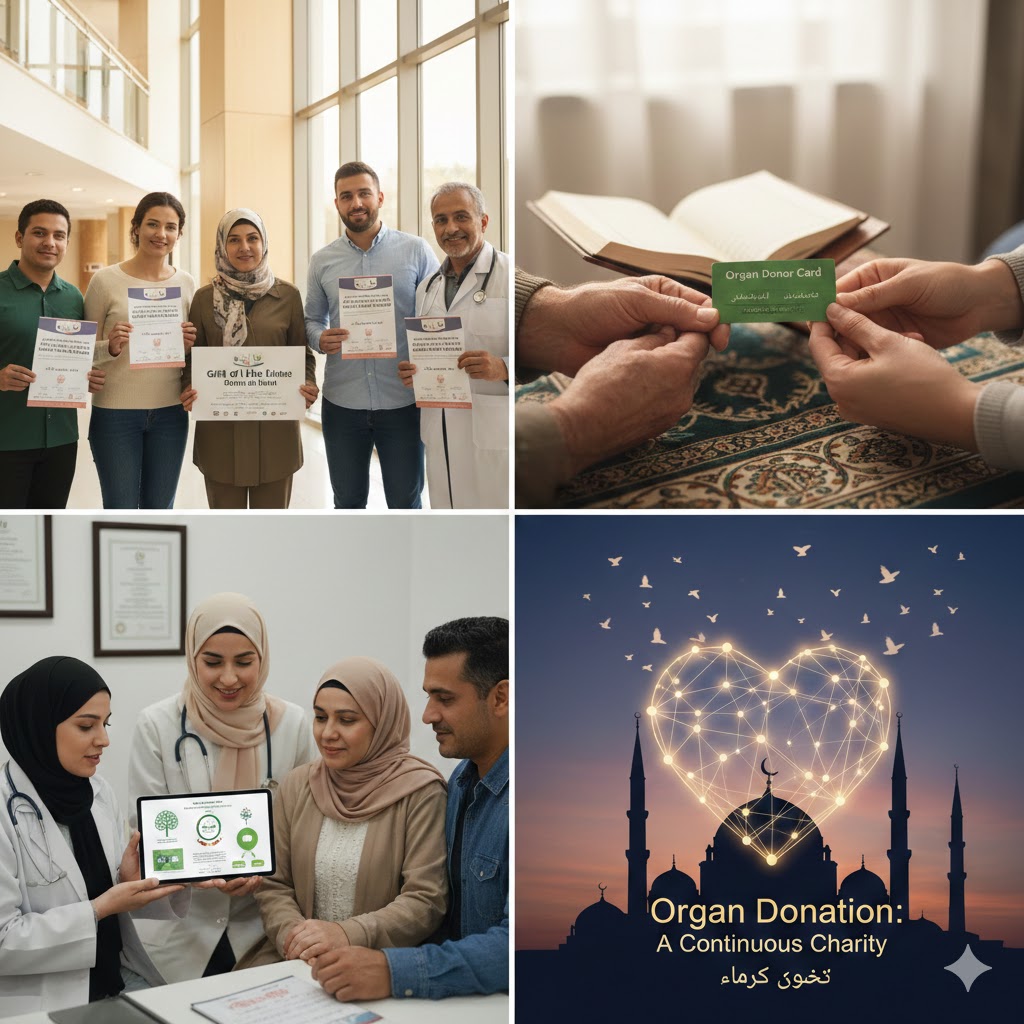
Al-Azhar actively promotes community awareness regarding organ donation. Its scholars encourage educational initiatives in mosques, universities, and healthcare institutions to ensure that Muslims understand both the religious and ethical aspects of transplantation. These programs aim to foster informed decision-making, reduce misconceptions, and encourage participation in life-saving medical practices.
Integration of Faith and Medical Practice
Al-Azhar’s rulings exemplify the integration of Islamic ethics with modern healthcare. By providing clear guidance on consent, ethical procedures, and medical criteria, the institution enables Muslims to contribute to organ donation initiatives responsibly. This approach reflects the Islamic principles of compassion, service to humanity, and moral duty while maintaining reverence for the human body.
Conclusion
Al-Azhar University’s position on organ transplantation provides authoritative guidance that aligns religious teachings with contemporary medical practice. By following these rulings, Muslims can engage in organ donation ethically, responsibly, and compassionately. The institution’s work demonstrates that faith-based principles can support modern life-saving interventions, promoting mercy, dignity, and communal well-being.