


Historical Context of Organ Donation in Iran
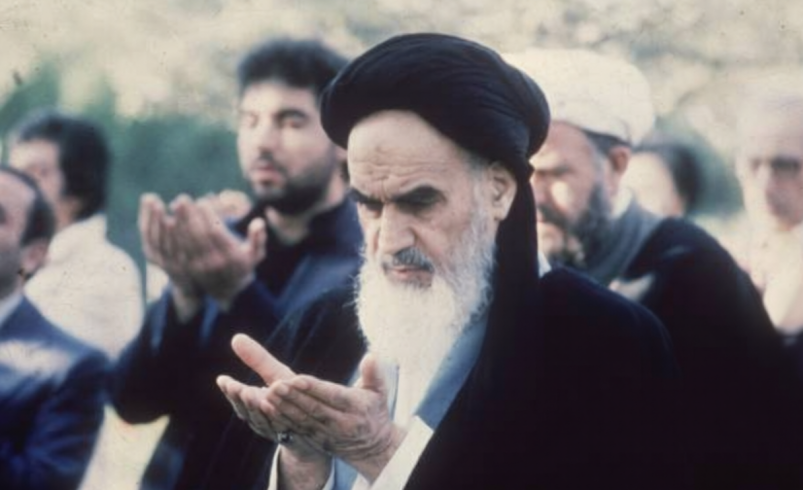
Organ donation in Iran gained formal religious legitimacy through the landmark fatwa issued by Ayatollah Ruhollah Khomeini. Prior to this ruling, uncertainty surrounded the permissibility of organ transplantation within Shia jurisprudence. Questions about bodily sanctity, posthumous integrity, and medical intervention required scholarly clarification. Ayatollah Khomeini’s ruling provided that clarity, establishing a framework that harmonized Islamic law with modern medical practice.
The Core of the Fatwa
Ayatollah Khomeini permitted organ donation under specific conditions, particularly when it served the purpose of saving a life. The foundation of this ruling aligns with the Quranic principle: “Whoever saves a life, it is as if he has saved all of humanity” (Surah Al-Ma’idah 5:32). The fatwa emphasized that preserving life is among the highest objectives of Shariah, and medical advancements should not be rejected when they fulfill this purpose ethically.
Conditions and Ethical Boundaries
The ruling outlined key conditions: confirmed death (including brain death under medical verification), donor consent or family authorization, and strict adherence to ethical medical procedures. Respect for the deceased’s body remained mandatory. Organ retrieval could not violate dignity, nor could it occur without clear necessity. These conditions ensured that transplantation remained within Islamic moral parameters.
Recognition of Brain Death
A significant aspect of the fatwa was the recognition of brain death as a legitimate form of death when confirmed by medical experts. This acknowledgment allowed posthumous organ transplantation to proceed without violating religious principles. By accepting contemporary medical definitions, Iranian religious authorities demonstrated flexibility within Ja’fari jurisprudence while maintaining strict ethical oversight.
Impact on Iran’s Transplant System
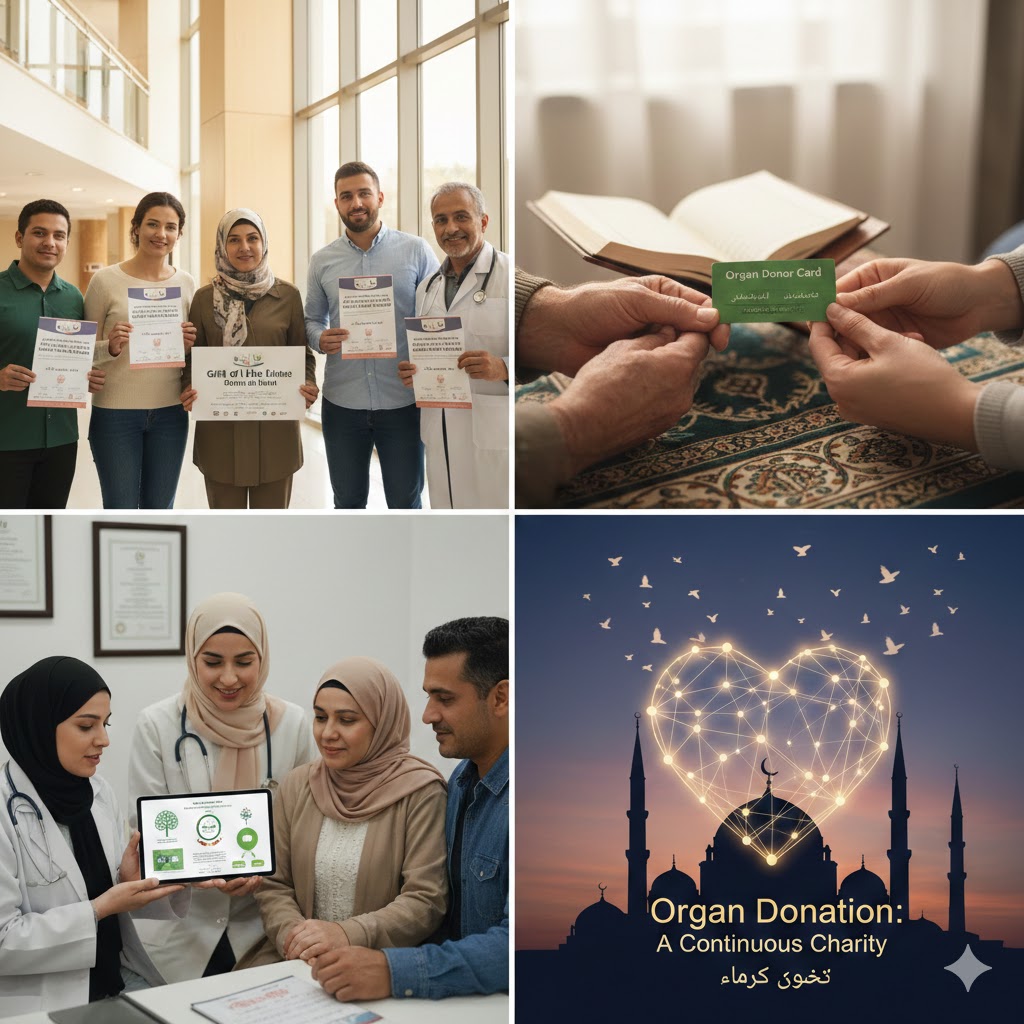
The fatwa laid the foundation for Iran’s structured organ transplantation system, which later became one of the most developed in the Muslim world. Legal frameworks were introduced to regulate donation, ensure transparency, and prevent exploitation. Religious endorsement significantly increased public acceptance and participation, bridging the gap between faith and medicine.
Scholarly Support and Institutional Guidance
Iranian religious institutions and scholarly bodies continue to provide guidance on organ transplantation. Organizations such as the Islamic Fiqh Academy discuss similar jurisprudential developments across the Muslim world, reinforcing the permissibility of life-saving interventions under ethical conditions.
Conclusion
Ayatollah Khomeini’s fatwa marked a transformative moment in Islamic medical jurisprudence. By permitting organ donation under defined ethical safeguards, the ruling harmonized Shia law with medical necessity. The decision reinforced the primacy of life preservation while upholding human dignity, setting a precedent that continues to influence organ donation policies in Iran and beyond.