



Organ Donation in Bangladesh
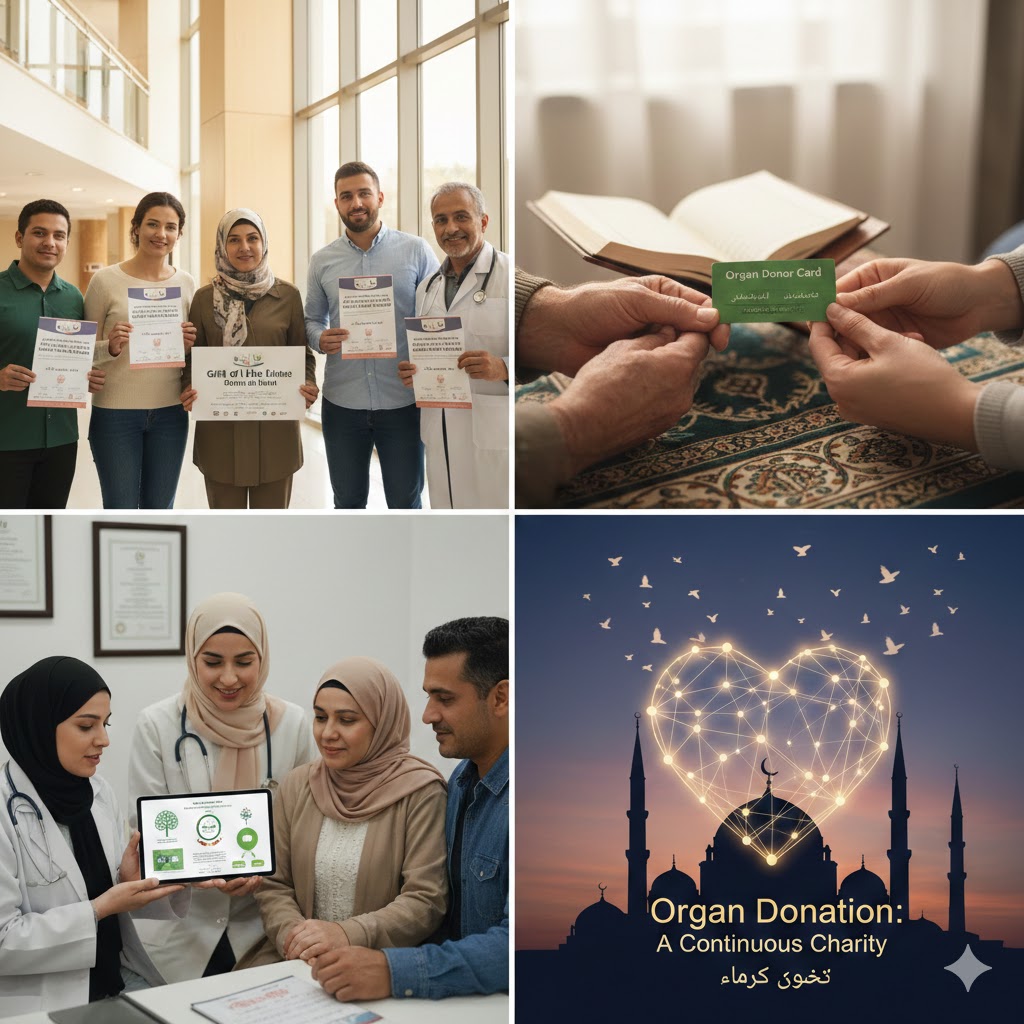
Organ donation in Bangladesh has gained attention in recent years as hospitals and religious authorities work to align medical practices with Islamic ethics. Legal frameworks, religious guidance, and public awareness campaigns play an essential role in promoting ethical, Shariah-compliant organ transplantation.
Legal and Regulatory Framework
The Bangladesh government regulates organ transplantation to ensure safety, ethical compliance, and public trust. Key elements include:
- Mandatory consent from the donor or family members.
- Prohibition of commercial trade in organs.
- Verification of medical necessity for transplantation.
- Compliance with ethical and religious guidelines.
These measures ensure that organ donation is conducted transparently and ethically, protecting both donors and recipients.
Islamic Ethical Guidance
Islamic scholars in Bangladesh have issued fatwas and guidance supporting organ donation when it is life-saving and conducted ethically. The Quran states: “Whoever saves a life, it is as if he has saved all of humanity” (Surah Al-Ma’idah 5:32), which forms the basis for supporting organ donation in the country. Scholars emphasize voluntary consent, minimal harm, and adherence to Shariah principles.
Living Organ Donation
Living donation, particularly kidney and liver transplants, is permissible under Bangladeshi law with medical and ethical oversight. Donors undergo rigorous health assessments, and procedures are performed under strict surgical protocols. Scholars highlight that protecting donor health is essential, and donation performed with a sincere intention (niyyah) is spiritually rewarded.
Posthumous Organ Donation
Posthumous donation is permitted if the deceased provided prior consent or the family approves. Hospitals coordinate carefully to maintain dignity and follow ethical guidelines. Religious authorities confirm that life-saving donation after death is consistent with Islamic values and offers ongoing spiritual merit for the donor.
Addressing Misconceptions
Some families are concerned about bodily integrity, resurrection, or spiritual consequences. Scholars clarify that controlled, ethical organ donation does not interfere with afterlife beliefs. Public education, community awareness programs, and religious guidance help overcome these fears and encourage participation in life-saving practices.
Integration of Technology and Oversight
Digital registries, hospital tracking systems, and ethical oversight committees are increasingly implemented in Bangladesh. These systems enhance transparency, reduce errors, and ensure fair allocation of organs. Collaboration between medical professionals and religious scholars guarantees Shariah compliance throughout the donation process.
Conclusion
Organ donation in Bangladesh is ethically and religiously permissible under regulated conditions. Legal oversight, medical safeguards, and Islamic ethical guidance ensure that both living and posthumous donations are conducted safely and respectfully. With increasing awareness, Muslims in Bangladesh can confidently participate in organ donation, fulfilling moral, religious, and humanitarian responsibilities while saving lives.