


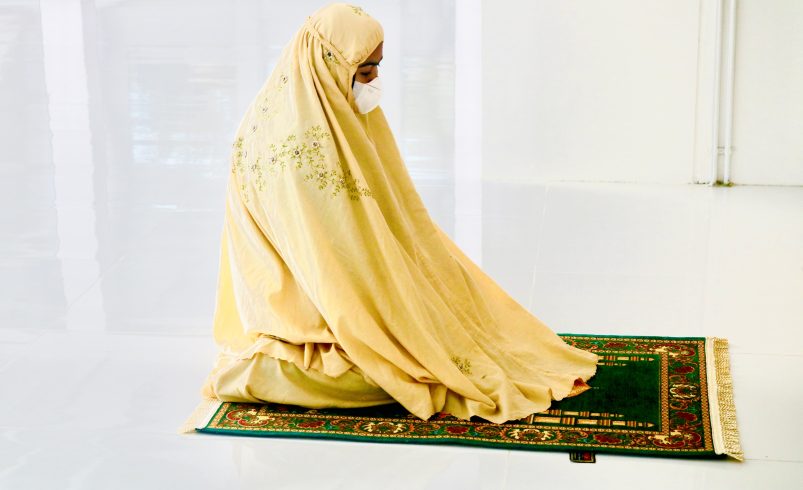

The Concept of Bodily Sanctity in Islam
Islamic tradition places immense value on the human body, both during life and after death. Classical scholars emphasized that the body is a sacred trust from Allah and must be treated with respect. This principle, known as bodily sanctity, underlines the ethical framework for medical decisions and the handling of human remains. Classical jurists debated the limits of permissible interventions while consistently prioritizing preservation of life as a higher objective.
Foundational Jurisprudential Views
Renowned scholars like Imam Abu Hanifa, Imam Malik, and Imam Shafi’i stressed that the body should not be desecrated, mutilated, or treated negligently. However, they also recognized circumstances where necessity could justify exceptions. For instance, life-saving procedures that involve minor alterations or surgical interventions were generally accepted. These principles form the foundation for later discussions on organ donation, demonstrating that bodily sanctity is balanced with the imperative to preserve life.
Balancing Respect with Necessity
Classical scholars recognized that rigid adherence to bodily sanctity could, in some cases, conflict with life preservation. They applied legal maxims such as al-darurat tubih al-mahzurat (necessities permit the prohibited) to justify medical interventions. This reasoning underpins contemporary rulings on organ transplantation. For Muslims considering organ donation, these foundational principles provide reassurance that preserving life is not in conflict with ethical respect for the body.
Scholarly Interpretations of Posthumous Respect
Respecting the deceased was another key consideration. Scholars outlined procedures for washing, shrouding, and burying the body without desecration. Organ donation, when conducted ethically, aligns with these guidelines, provided that family consent and medical protocols are observed. Resources such as the Islamic Fiqh Academy rulings offer detailed guidance on ensuring compliance with these classical principles.
Implications for Modern Organ Donation
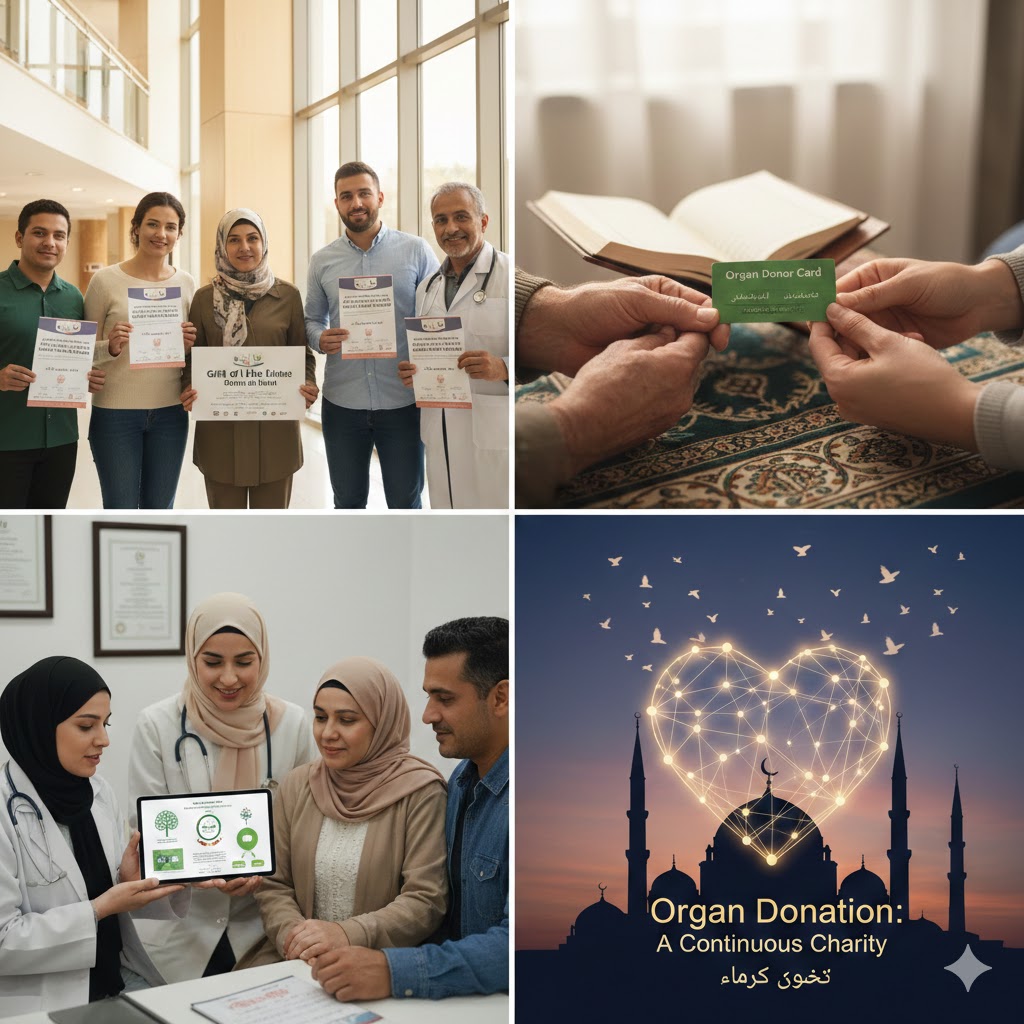
The balance between bodily sanctity and necessity has direct implications for modern organ transplantation. While the body is sacred, saving a life is considered an even higher priority. Contemporary scholars cite classical interpretations to support ethical organ donation frameworks. This includes living donor regulations, brain death criteria, and posthumous organ retrieval—all designed to maintain respect for the body while fulfilling the moral duty to save lives.
Ethical Guidelines for Practitioners and Families
Muslims navigating organ donation are advised to consult qualified scholars alongside medical professionals. Families should be guided on consent procedures, posthumous care, and the ethical rationale supporting donation. Platforms like Sound Vision provide accessible resources that merge classical scholarship with practical medical guidance, ensuring donors and recipients act ethically and responsibly.
Conclusion
Classical Islamic scholars laid a strong ethical foundation emphasizing bodily sanctity, while also recognizing exceptions for life-saving purposes. Their principles continue to inform modern organ donation practices, ensuring that respect for the human body coexists with compassion and responsibility. Muslims can confidently approach organ donation knowing that it aligns with centuries of jurisprudential wisdom, bridging tradition with contemporary medical ethics.