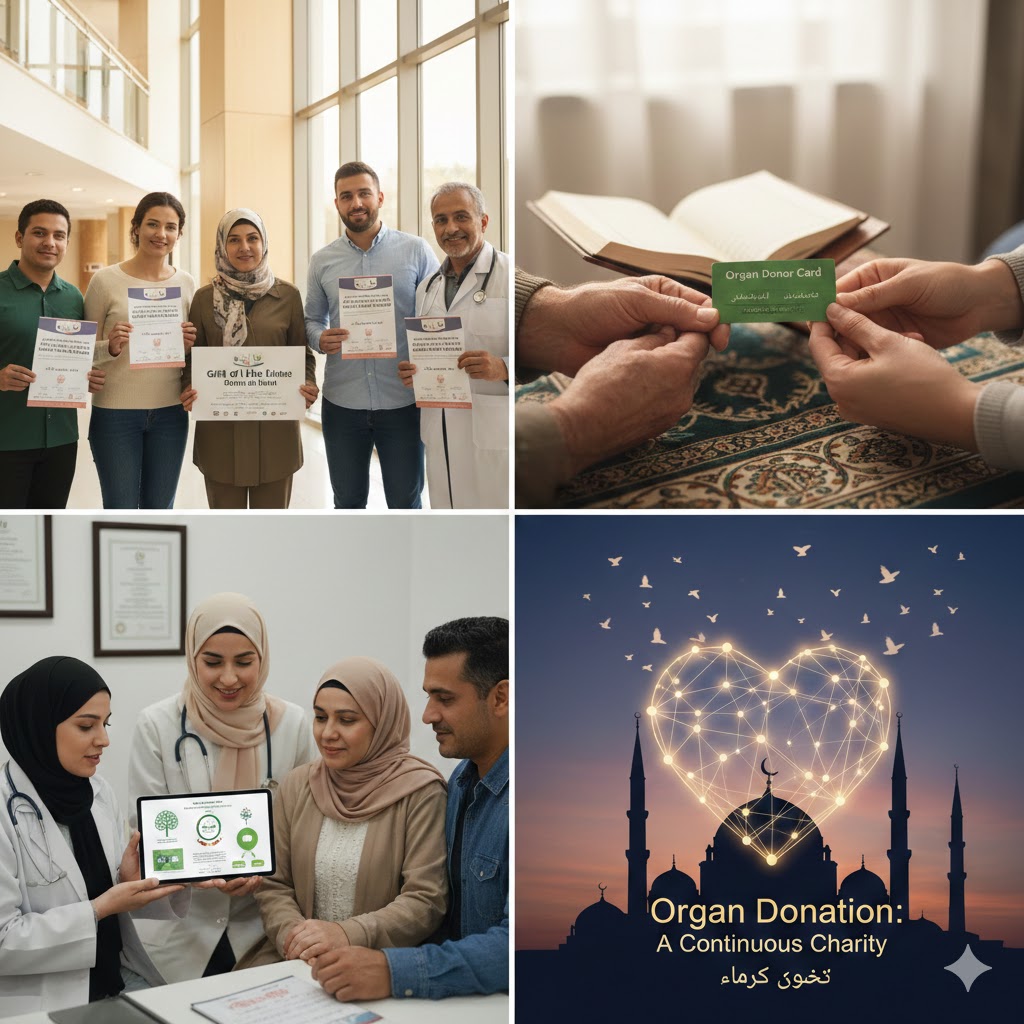



Overview of Shariah Principles for Living Donation
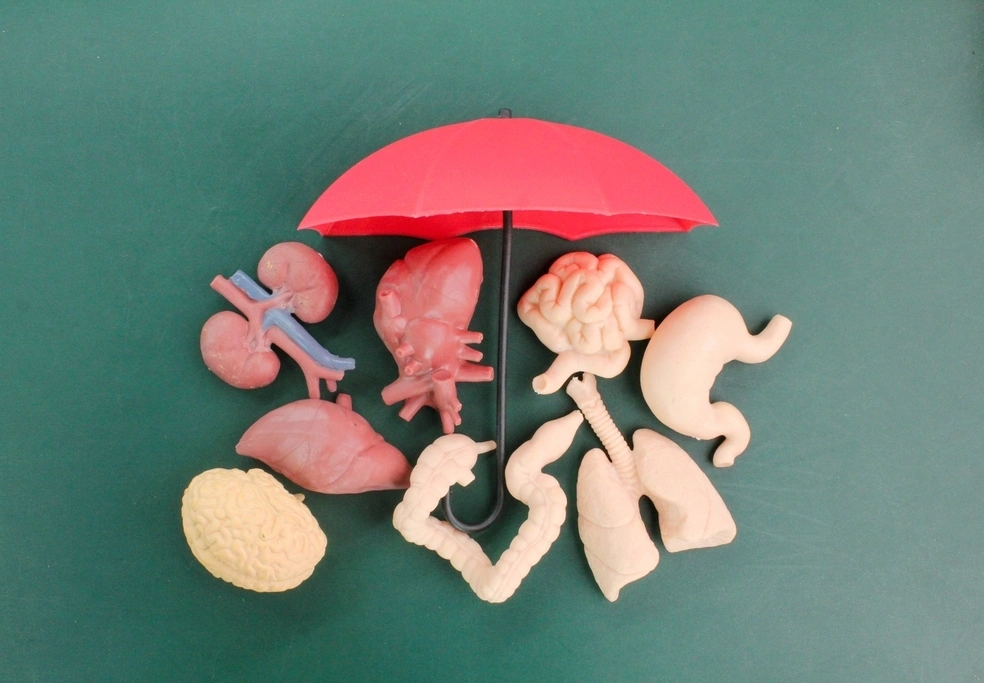
Islamic law permits medical procedures that save lives or alleviate serious harm, provided they respect ethical boundaries. Living organ donation, particularly kidney or liver donation, is generally permissible when conditions ensure donor safety, voluntary consent, and the absence of exploitation. Scholars evaluate each case according to the objectives of Shariah (maqasid al-shariah), balancing the preservation of life, dignity, and justice.
Voluntary and Informed Consent
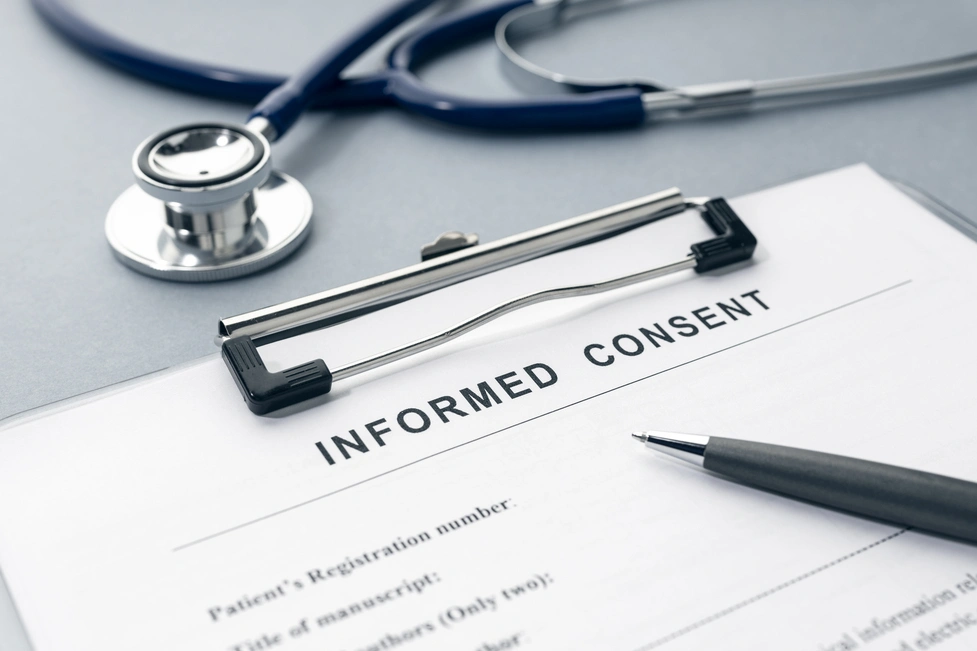
The first and most essential condition is voluntary consent. The donor must be fully aware of the procedure, its risks, and its consequences. Any form of coercion—whether familial, social, or financial—invalidates the act. In Islam, justice (adl) and personal autonomy are vital (Surah An-Nisa 4:135), making voluntary decision-making non-negotiable.
Medical Evaluation and Safety
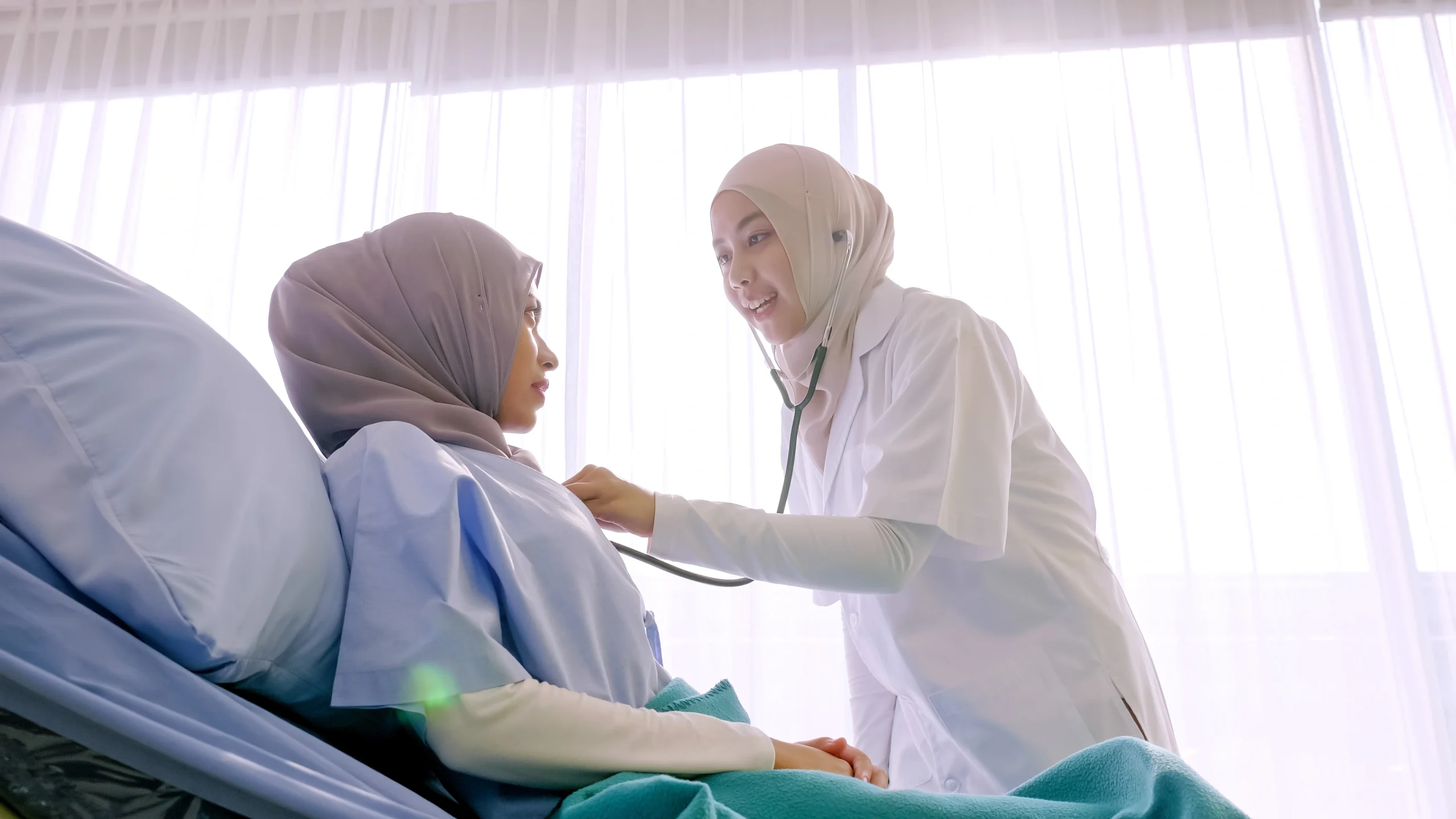
Shariah requires that donors do not face significant harm. Comprehensive medical evaluation must confirm that the donor can live healthily with the donated organ. Conditions such as pre-existing kidney disease, cardiovascular risks, or other vulnerabilities must be carefully assessed. Scholars insist that the procedure should not place the donor in jeopardy, following the principle that harm must not be inflicted or reciprocated.
Age and Maturity
Donors must be of sufficient age and maturity to understand the implications of donation. Minors or individuals unable to comprehend the risks are generally not permitted to donate. Consent must be informed and deliberate, reflecting responsible ethical decision-making consistent with Islamic teachings.
Absence of Financial Exploitation
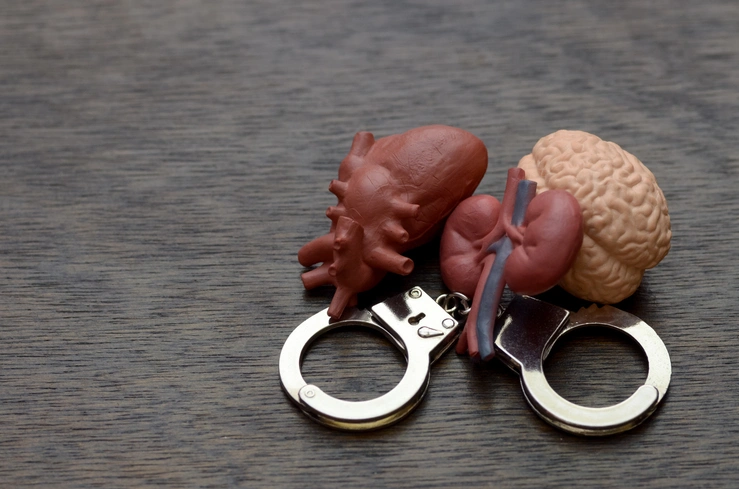
Shariah strictly prohibits the sale of organs. Commercialization undermines human dignity and exploits vulnerable populations. Ethical donation must be free of monetary exchange, preserving the act as a charitable, life-saving contribution rather than a transaction.
Recipient Necessity
Donation is justified primarily to save a life or prevent serious harm. The procedure should be medically necessary for the recipient. Elective or convenience-based donation without significant benefit is generally discouraged, as Islamic law emphasizes utility, necessity, and avoiding needless risk.
Psychological Preparedness
Donors must be psychologically prepared for the surgery and its aftermath. Counseling helps manage anxiety, expectations, and potential postoperative stress. Islamic ethics recognizes the holistic well-being of the donor, integrating spiritual, physical, and mental health considerations.
Ethical Oversight and Documentation
Medical institutions should ensure transparent documentation of consent, evaluation, and ethical review. Scholars and physicians often recommend oversight committees to verify that all conditions are met. Such measures prevent abuse, maintain accountability, and reinforce public confidence in living donation programs.
Spiritual Intention (Niyyah)
Finally, the donor’s intention matters in Islam. When the act is performed sincerely to save another’s life, it carries immense spiritual merit. Living donation can be considered a form of continuous charity (sadaqah jariyah) if conducted ethically and with proper intention, aligning medical action with moral purpose.
Conclusion
Shariah permits living organ donation when strict conditions are met: voluntary and informed consent, medical safety, maturity, absence of financial exploitation, recipient necessity, psychological readiness, and ethical oversight. By observing these guidelines, living donors uphold Islamic values while providing life-saving assistance, combining compassion, responsibility, and spiritual reward.