


Modern Fatwas Addressing Organ Donation
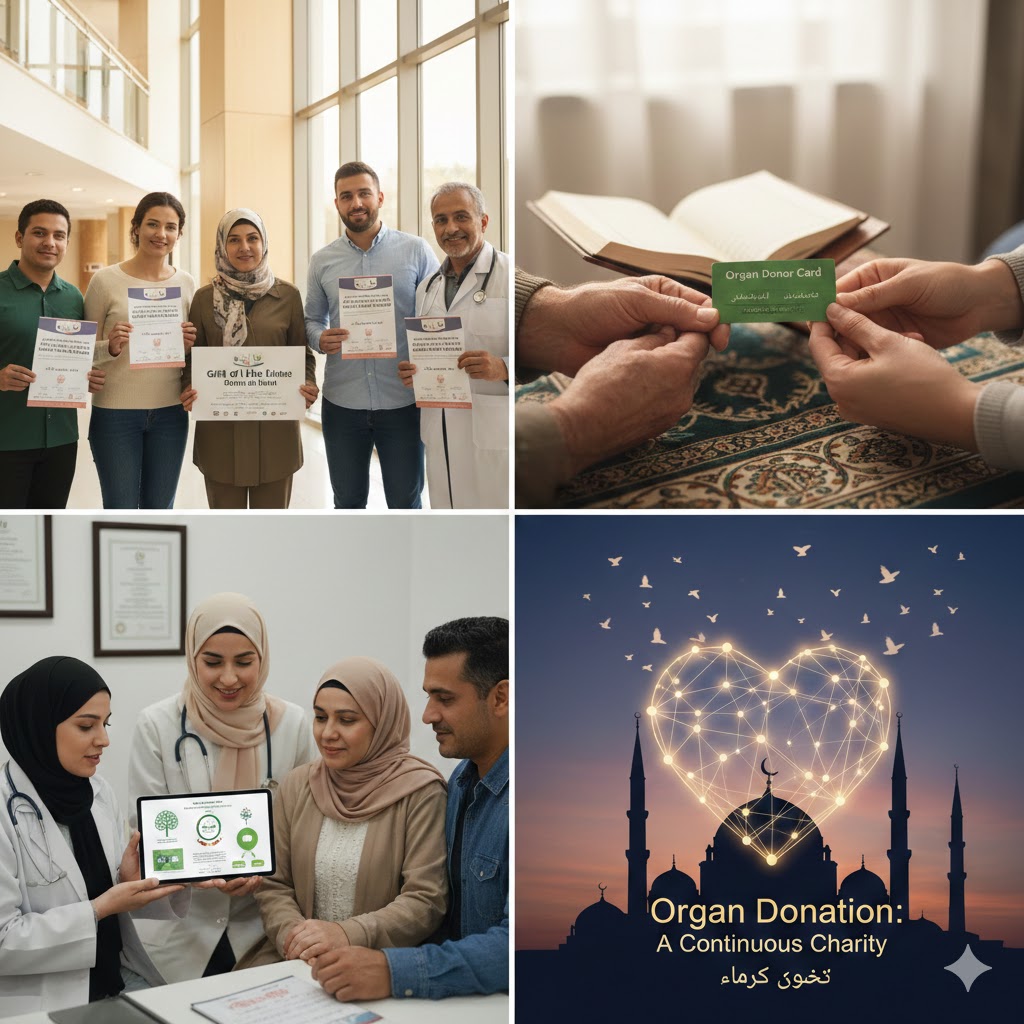
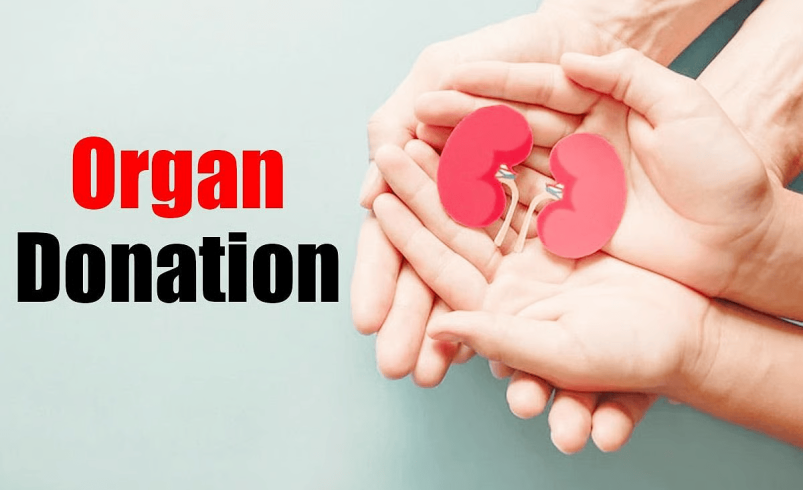
Contemporary Hanafi scholars have issued fatwas clarifying the permissibility and ethical framework of organ donation. These rulings respond to medical advancements, including organ transplantation, and provide guidance that harmonizes traditional Hanafi principles with modern healthcare needs. Organizations such as the Islamic Fiqh Academy and regional scholarly councils disseminate these rulings to guide both families and medical institutions.
Conditions Outlined in Fatwas
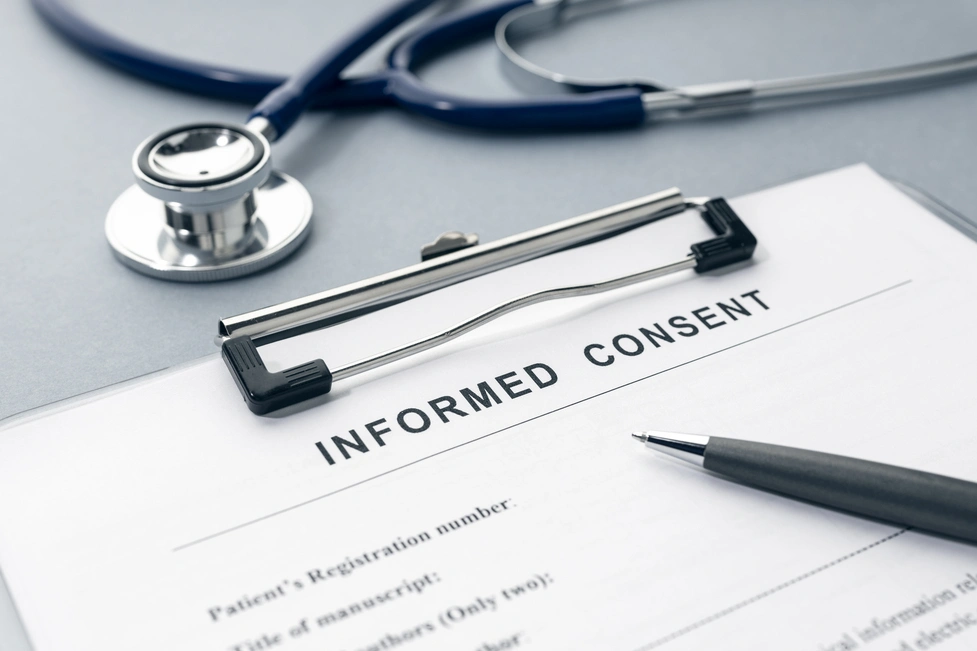
Contemporary fatwas emphasize several conditions for permissibility: voluntary consent, the donor’s safety must be prioritized, procedures must follow medical standards, and the body must be treated respectfully. Posthumous donations require prior consent or family approval. These rulings balance the sanctity of the human body with the moral imperative of saving life, providing clear guidelines for ethical practice.
Living Donations and Risk Management
Fatwas stress that living donors must undergo thorough medical evaluation to prevent health risks. Scholars clarify that ethical organ donation is not only permissible but commendable when conducted responsibly. Practical resources like Sound Vision explain the application of these fatwas in real-world medical settings, ensuring both ethical compliance and religious observance.
Posthumous Donations and Ethical Oversight
For deceased donors, contemporary Hanafi fatwas underscore proper consent, ethical retrieval methods, and respect for the body. Hospitals and families are encouraged to collaborate with religious authorities to ensure Shariah compliance, minimizing potential ethical conflicts while promoting life-saving interventions.
Impact on Communities
Modern fatwas have increased awareness and participation in organ donation programs within Hanafi communities. By clarifying ethical boundaries and religious permissibility, these rulings help communities reconcile faith with medical necessity, encouraging responsible and compassionate engagement in life-saving acts.
Conclusion
Contemporary Hanafi fatwas provide authoritative guidance on organ donation, integrating classical jurisprudence with modern medical practice. By following these rulings, Muslims can ethically participate in life-saving interventions, respecting both Shariah principles and human dignity. The fatwas illustrate how Hanafi scholarship adapts to evolving medical realities while upholding the sanctity of life.