




Understanding Bodily Integrity
Bodily integrity is a core concept in Islamic ethics, emphasizing the inviolability of the human body. The body is viewed as a trust from Allah, and its preservation is both a religious and ethical obligation. Concerns often arise regarding whether organ donation compromises this integrity, especially posthumously. Understanding the Islamic framework clarifies that preservation of life often supersedes strict bodily inviolability.
Legal Principles in Islam
Islamic jurisprudence employs the principle of al-darurat tubih al-mahzurat (necessities permit the prohibited). This allows exceptions to otherwise restricted actions if life preservation is at stake. Organ donation falls within this scope, as saving a life justifies altering the body for medical purposes. The Islamic Fiqh Academy affirms that voluntary organ donation, conducted ethically and with consent, does not violate bodily integrity but aligns with the higher objective of preserving life.
Living Donors and Safety
Living donors must ensure that donation does not endanger their health. Scholars stress that voluntary, informed donation is permissible as long as medical guidance ensures safety. This approach protects both bodily integrity and ethical responsibility, reflecting Islam’s commitment to human dignity while facilitating life-saving interventions.
Posthumous Donations
For deceased donors, Islamic rulings emphasize respect for the body, including proper handling, consent, and ethical retrieval procedures. Families must consult scholars and medical professionals to ensure compliance. Resources like Sound Vision provide practical guidance, illustrating that posthumous organ donation is compatible with Islamic principles when conducted respectfully.
Intention and Ethical Considerations
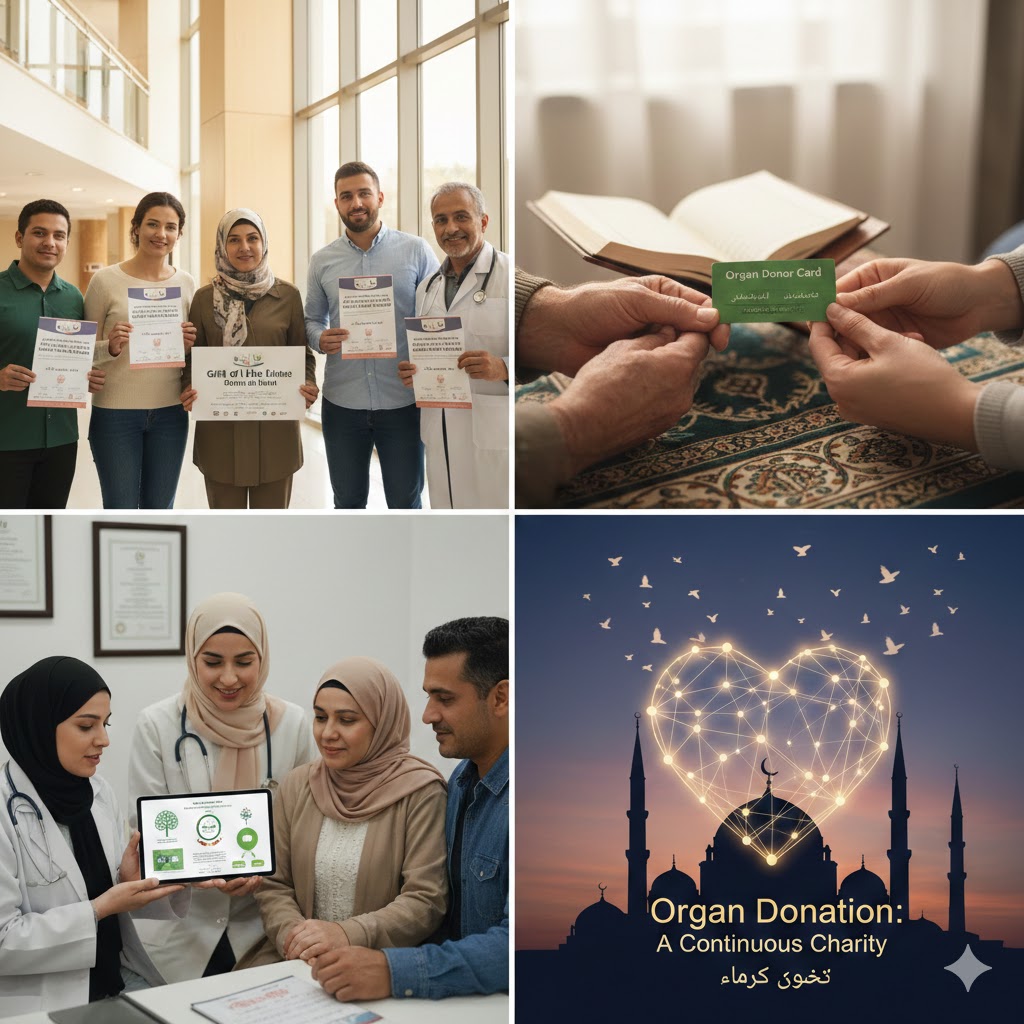
Intention (niyyah) plays a critical role. Organ donation intended to save lives can be considered an act of sadaqah jariyah (ongoing charity), which enhances spiritual reward. This perspective transforms potential ethical concerns into moral and religiously commendable action, showing that preserving life and respecting bodily integrity can coexist harmoniously.
Conclusion
Organ donation does not inherently violate bodily integrity in Islam. When performed ethically, with consent and medical oversight, it aligns with both religious obligations and the higher objective of saving lives. By understanding legal principles, intention, and ethical guidelines, Muslims can participate in organ donation confidently, preserving dignity while exercising compassion and responsibility.