



The Seriousness of Declaring Death in Islam
Declaring death is one of the most serious determinations in both medicine and Islamic law. In Islam, death marks the transition from worldly responsibility to accountability in the Hereafter. Because of its gravity, any declaration must be made with certainty, caution, and ethical integrity. Medical advancements have introduced new methods of determining death, requiring scholars to establish clear ethical guidelines.
Classical Signs of Death
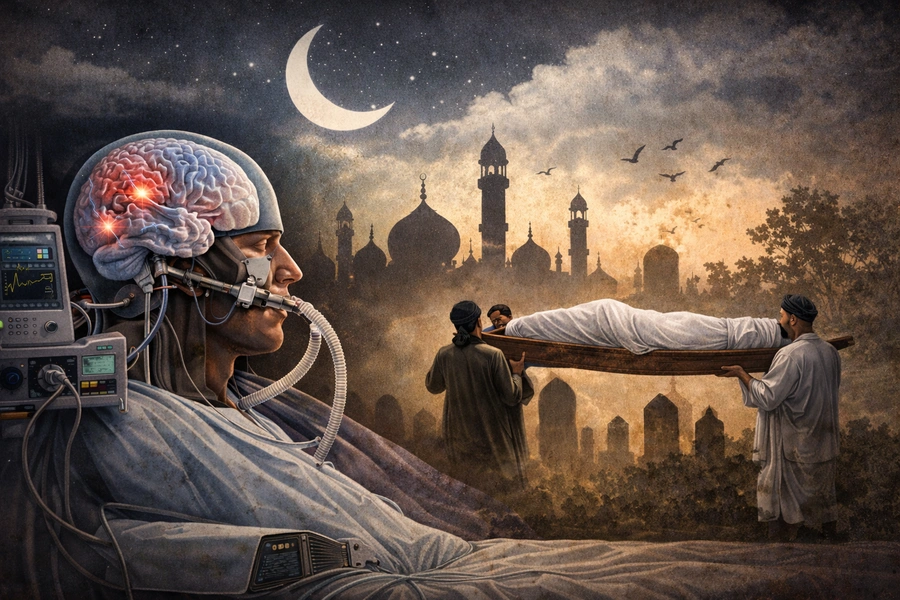
Traditionally, death was recognized through the permanent cessation of heartbeat and breathing. These outward signs were accessible and observable without advanced technology. Islamic jurists relied on these indicators in legal rulings related to burial, inheritance, and marital status. However, modern medicine now allows artificial maintenance of these functions, prompting re-evaluation of criteria.
Brain Death and Contemporary Criteria
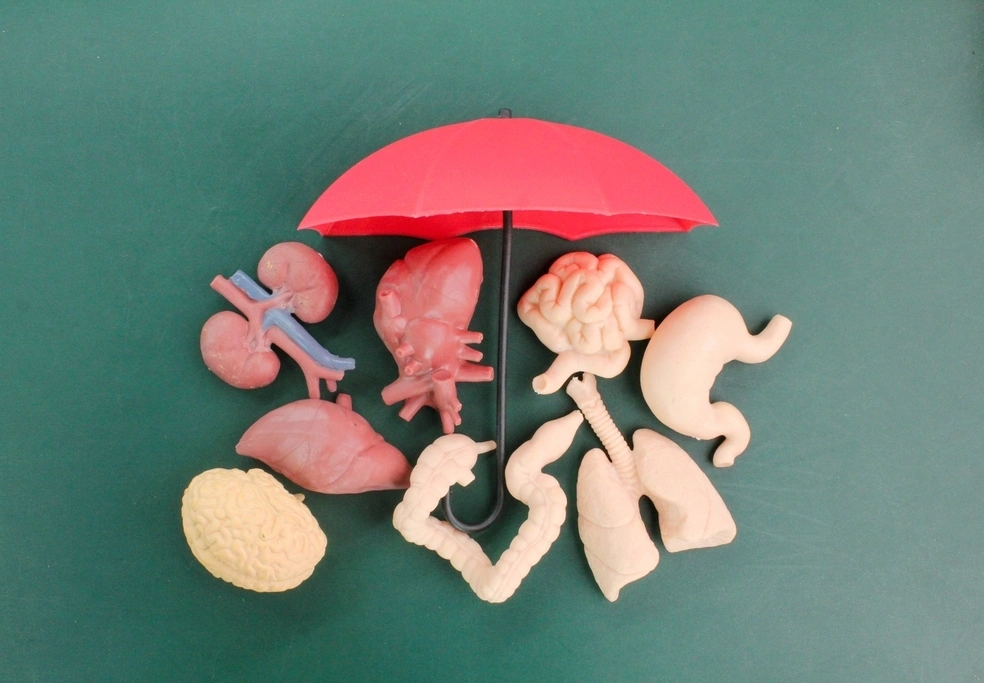
Today, many healthcare systems recognize brain death as legal death when all brain function irreversibly ceases. Islamic scholars assessing this standard emphasize strict medical verification. The diagnosis must confirm total loss of consciousness, absence of brainstem reflexes, and inability to breathe independently. Additional confirmatory testing may be required to remove doubt.
The Requirement of Certainty (Yaqin)
Islamic jurisprudence operates on the principle that certainty is not overruled by doubt. Since life is sacred, death cannot be declared based on speculation. The Quran reminds believers that the exact moment of death is known fully to God (Surah Luqman 31:34). Human responsibility, however, requires reliance on the best available evidence and expert evaluation.
Qualified Medical Authority
Ethical guidelines require that multiple qualified physicians independently confirm the diagnosis of death. They must rule out reversible conditions such as hypothermia, intoxication, or medication effects. Financial or transplant-related incentives must not influence medical judgment. Separation between treatment teams and transplant teams is often recommended to maintain objectivity.
Protection Against Conflict of Interest
One of the most critical ethical concerns involves avoiding conflicts of interest. Physicians responsible for declaring death should not be part of organ procurement decisions. This separation ensures that the determination of death is made solely based on medical reality rather than potential benefit to recipients.
Role of Islamic Juristic Councils
Institutions such as the Islamic Fiqh Academy have addressed the issue of death determination in their resolutions. Many councils accept brain death under rigorous conditions, while emphasizing transparency and accountability. Their deliberations highlight the need to align medical certainty with Shariah principles.
Communication With Families
Ethical practice also includes compassionate communication with family members. Families must receive clear explanations regarding the medical basis for declaring death. Sensitivity to emotional distress is essential. In Islamic tradition, immediate steps such as preparing the body for burial follow death, making accurate and timely communication crucial.
Implications for Organ Donation
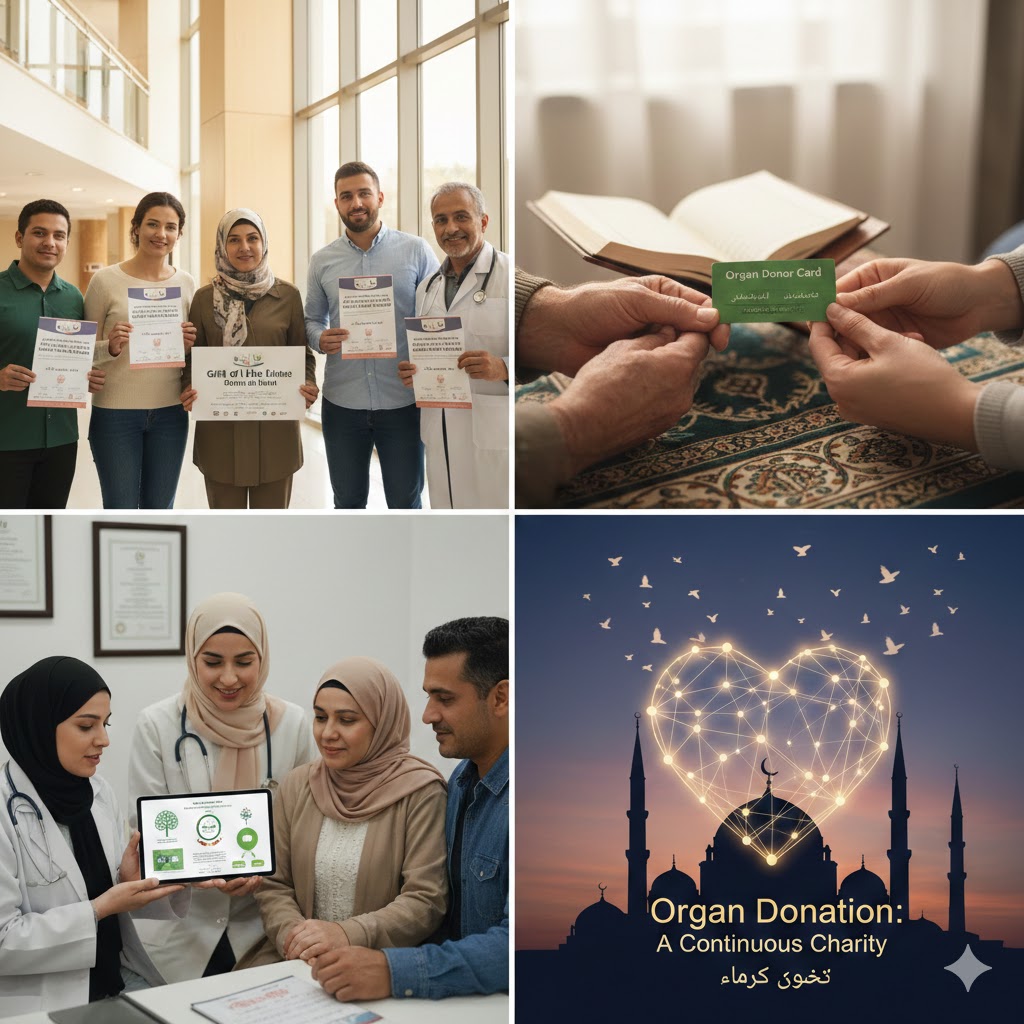
When death is declared according to verified medical standards, discussions about organ donation may proceed if prior consent exists. The Quran underscores the immense value of saving life (Surah Al-Ma’idah 5:32). However, transplantation must never compromise the integrity of death determination procedures.
Conclusion
Ethical guidelines for declaring death in Islam prioritize certainty, integrity, and respect for human dignity. Whether based on cardiopulmonary cessation or confirmed brain death, the determination must rely on qualified expertise and transparent procedures. By maintaining strict safeguards and separating medical judgment from transplant considerations, Islamic bioethics ensures that the sanctity of life and death remains fully protected.