

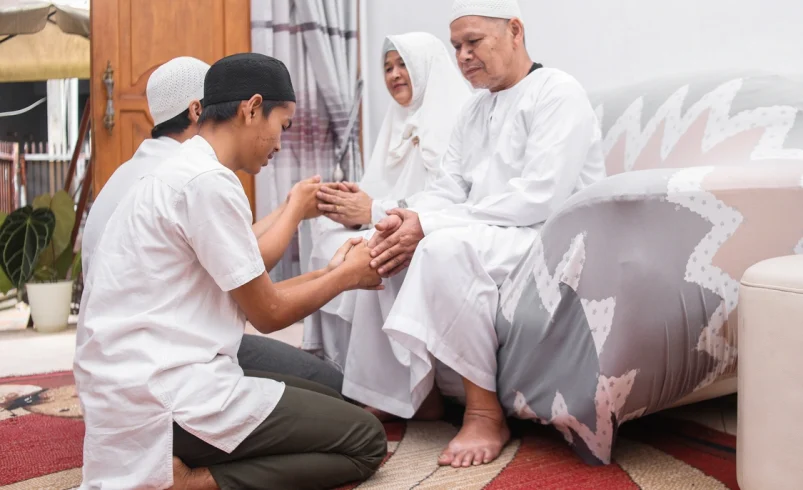

The Role of Family in Posthumous Organ Donation
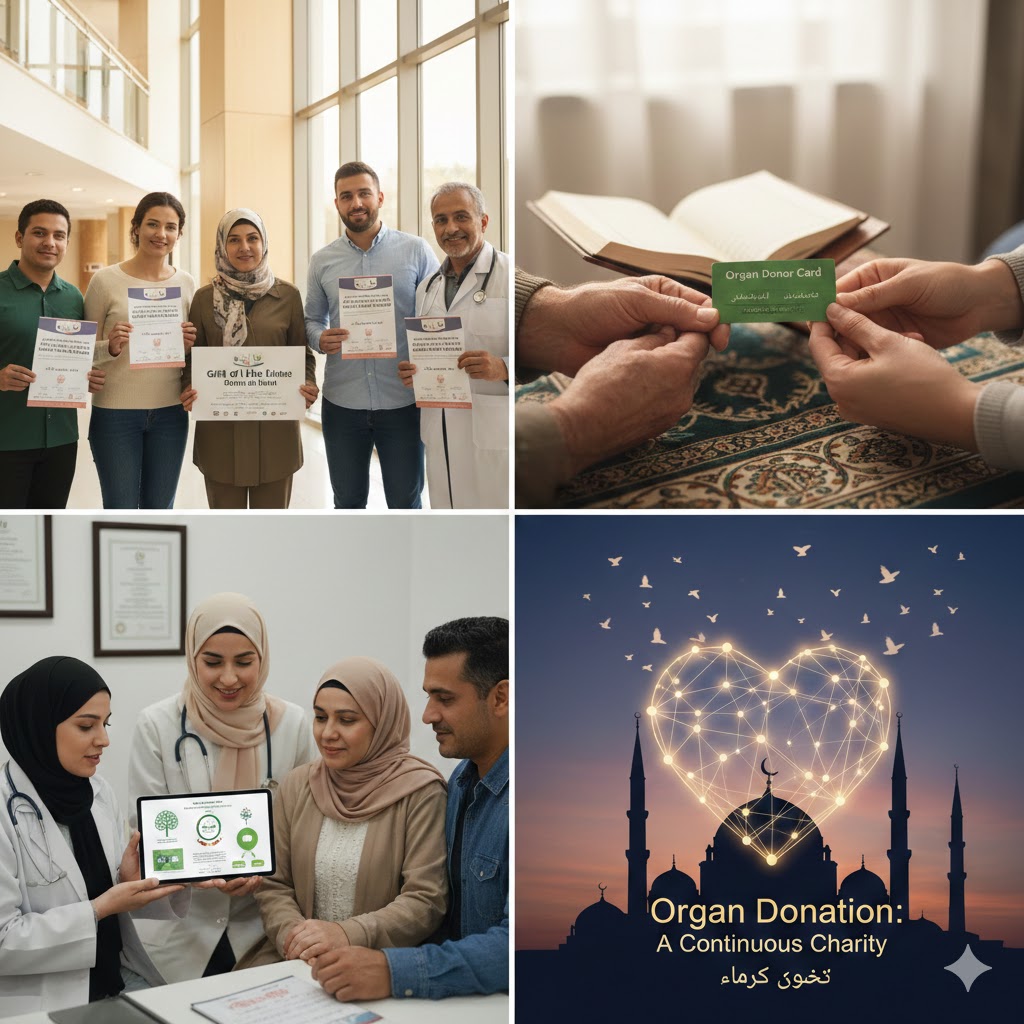
In Islamic law, the family plays a significant role in posthumous decisions, including organ donation. While the consent of the deceased is paramount, the family often serves as a key advisor and facilitator in ensuring that the deceased’s wishes are respected. Involving relatives also aligns with the Islamic emphasis on maintaining social harmony and ethical responsibility.
Respecting the Deceased’s Intentions
The primary principle in posthumous donation is honoring the wishes of the deceased. If a person has previously consented to donate organs through formal documentation or verbal declaration, Islamic scholars generally prioritize that consent. The family’s role is to support and facilitate the fulfillment of these intentions, ensuring dignity and Shariah compliance.
When Prior Consent Is Absent
In cases where the deceased has not provided explicit consent, families become critical decision-makers. Scholars advise that permission from immediate relatives—typically parents, spouses, or adult children—be obtained before proceeding with organ retrieval. This ensures that the act remains ethical, respects the body, and adheres to Islamic legal principles.
Ethical Guidelines for Families
Families must make decisions free from coercion, emotional pressure, or financial incentive. Islamic ethics emphasizes fairness, responsibility, and compassion. Consulting knowledgeable religious authorities can help families navigate complex situations, especially when medical urgency or uncertainty about the deceased’s intentions exists.
Balancing Family Consent with Medical Necessity
Medical teams often face time-sensitive decisions in organ donation. While family consent is important, Islamic guidelines also recognize the necessity of acting swiftly to save lives. Coordinated communication between healthcare providers, families, and religious advisors ensures that organ retrieval proceeds ethically without unnecessary delay, balancing human life preservation with respect for the deceased.
Scholarly Opinions
Major Islamic juristic councils, including the Islamic Fiqh Academy, emphasize the family’s involvement as both ethical and practical. Families are encouraged to confirm the deceased’s consent, resolve disputes, and maintain transparency. Scholars stress that family permission should not override clear prior consent but should serve to uphold dignity and facilitate ethical procedures.
Legal and Documentation Considerations
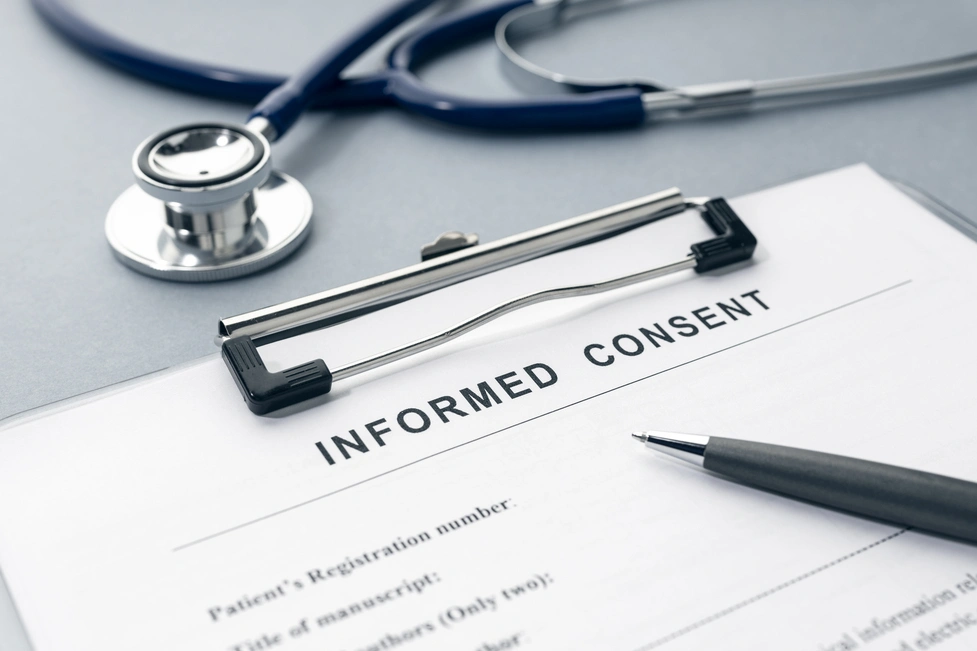
Documenting family consent is recommended to prevent disputes and ensure accountability. Hospitals often require written statements or witness validation before proceeding. This formalizes the process and ensures compliance with both local law and Islamic ethical standards, protecting all parties involved.
Spiritual Perspective
Participating in fulfilling a loved one’s wish to donate organs is considered a virtuous act in Islam. Families often find solace in knowing their loved one’s donation has saved lives, turning grief into a meaningful contribution. This aligns with the Quranic teaching that saving life is a supreme moral and spiritual act (Surah Al-Ma’idah 5:32).
Conclusion
Family permission in Islamic law serves as an essential safeguard in posthumous organ donation. Whether confirming prior consent or making decisions in its absence, families help ensure that donation proceeds ethically, legally, and in accordance with Shariah principles. By balancing respect for the deceased, ethical responsibility, and medical urgency, family involvement transforms post-death organ donation into a morally commendable and life-saving act.