
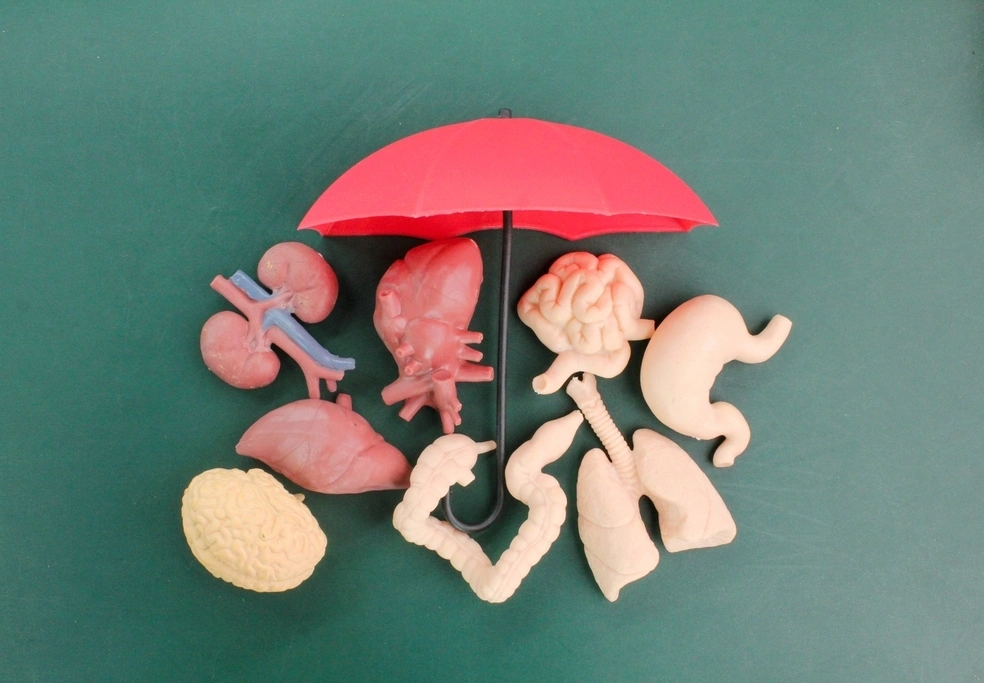




Overview of GCC Fatwas on Organ Donation
The Gulf Cooperation Council (GCC) countries have increasingly issued fatwas to provide religious guidance on organ donation. These rulings aim to clarify Islamic positions for both living and posthumous donations while ensuring alignment with Shariah principles. Fatwas play a critical role in shaping public awareness and guiding medical ethics across the region.
Permissibility Under Islamic Law
Scholars across the GCC emphasize that organ donation is permissible when it saves lives and serves the public interest. The principle is derived from the Quran: “Whoever saves a life, it is as if he has saved all of humanity” (Surah Al-Ma’idah 5:32). This ethical framework places saving life above minor concerns regarding bodily alteration, provided donation is voluntary and ethical.
Key Fatwas in the Region
Leading religious authorities in Saudi Arabia, UAE, Qatar, Kuwait, and Bahrain have issued fatwas supporting organ donation:
- Voluntary consent is mandatory for all donors, living or deceased.
- Donation must not cause excessive harm to living donors.
- Organ trade and commercialization are strictly prohibited.
- Donation aligns with Islamic principles if conducted ethically and with proper intention.
These rulings provide a consistent religious foundation for organ donation across GCC countries.
Living Organ Donation
Fatwas explicitly permit living organ donation under controlled conditions. Donors must be healthy, fully informed, and voluntarily willing to donate. Ethical medical oversight ensures that the procedure does not endanger the donor’s health, balancing the Islamic principle of preserving life with the protection of bodily integrity.
Posthumous Organ Donation
Posthumous donation is permitted if the donor consented before death or if the family approves. Fatwas emphasize respect for the deceased and careful handling of the body, ensuring minimal intrusion while saving lives. Scholars highlight that this aligns with Shariah principles and contributes to social welfare.
Role of Intention and Spiritual Merit
Intention (niyyah) is central in Islam. Organ donation performed to save lives is considered a morally commendable and spiritually rewarding act, akin to ongoing charity (sadaqah jariyah). GCC fatwas stress that sincere intention enhances the ethical value of donation, reassuring donors and families about religious implications.
Impact on Public Awareness
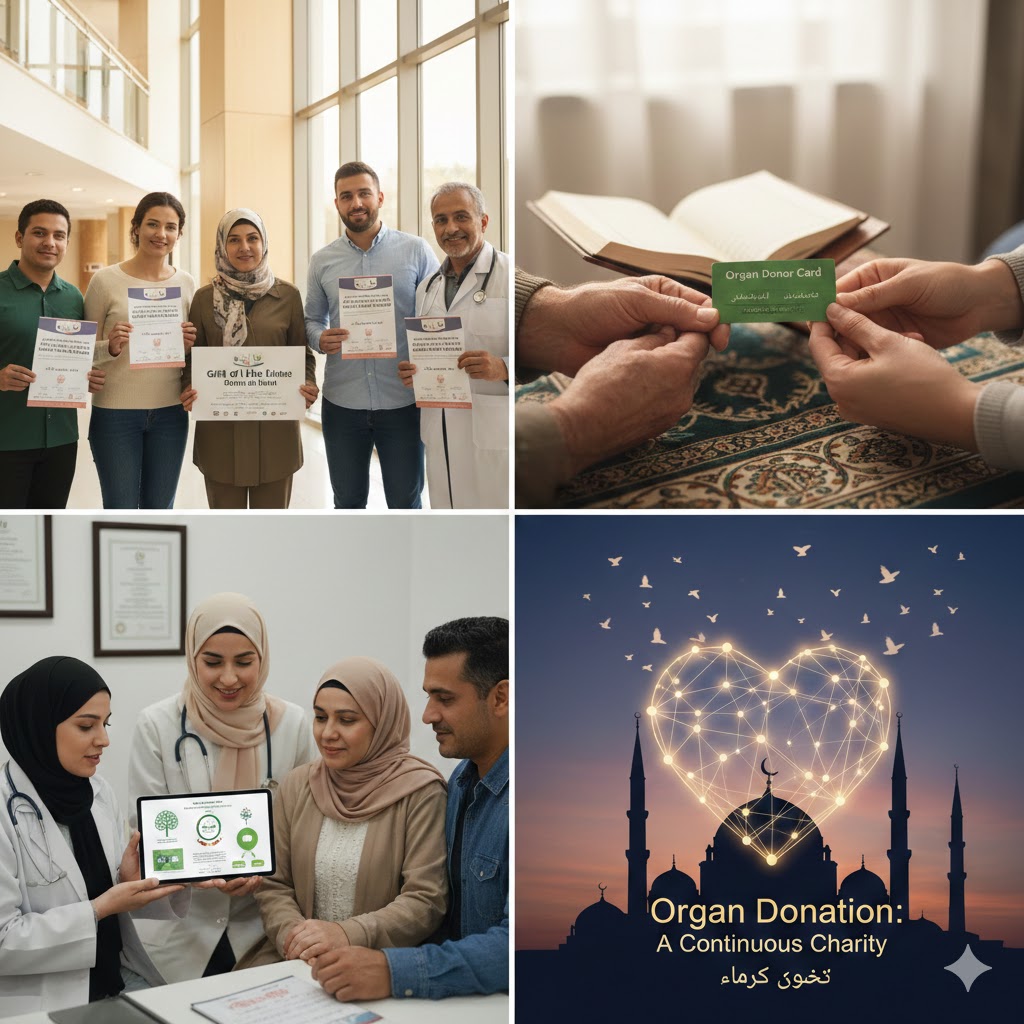
Fatwas issued by GCC religious authorities have helped dispel misconceptions, such as fears about bodily integrity, resurrection, or spiritual consequences. Collaboration between scholars, hospitals, and community leaders ensures that guidance reaches the public, encouraging life-saving participation in accordance with Islamic ethics.
Conclusion
GCC fatwas provide clear, authoritative guidance supporting ethical organ donation. By emphasizing voluntary consent, minimizing harm, and aligning donation with Shariah principles, these fatwas ensure both religious and medical compliance. Muslims in the GCC can confidently participate in organ donation, fulfilling moral, social, and spiritual responsibilities while saving lives.