


Human Dignity in Islamic Teachings
Islam places a profound emphasis on human dignity, viewing it as a divine gift. The Prophet Muhammad (peace be upon him) stated that every human being should be treated with respect, even after death. This principle underpins the ethical foundation for organ donation, ensuring that the act of giving does not compromise respect for the donor while simultaneously serving the needs of those requiring life-saving interventions.
Hadith Supporting Life Preservation
Several hadiths highlight the importance of preserving life and relieving human suffering. For instance, the Prophet said that removing harm from others is an act of virtue. Organ donation, whether living or posthumous, directly aligns with this teaching. By donating an organ, a Muslim actively contributes to saving a life while upholding human dignity, demonstrating that ethical and medical imperatives can coexist within Islamic principles.
Balancing Dignity with Medical Necessity
Respect for the human body is central in Islam. Scholars have debated the balance between maintaining bodily sanctity and fulfilling the moral duty of saving lives. The consensus indicates that when the intention is to save lives and reduce suffering, organ donation is ethically and religiously acceptable. Institutions like the Islamic Fiqh Academy provide detailed guidance on maintaining dignity while performing life-saving medical procedures.
Living Donors and Ethical Responsibility
Living donors face unique ethical considerations. Islamic teachings mandate that a donor’s health should not be unduly compromised. Scholars highlight that permission for living donation depends on careful assessment of risks and benefits. By adhering to medical guidelines and religious counsel, donors can ensure that their actions honor both human dignity and the Quranic directive to save life.
Posthumous Donation and Respect
For deceased donors, respecting the body through proper handling and consent is essential. Families are encouraged to consult religious scholars and medical professionals to ensure that the donation process maintains dignity. Resources like Sound Vision provide practical guidance for families navigating these sensitive decisions, ensuring alignment with both faith and ethics.
Intention Matters
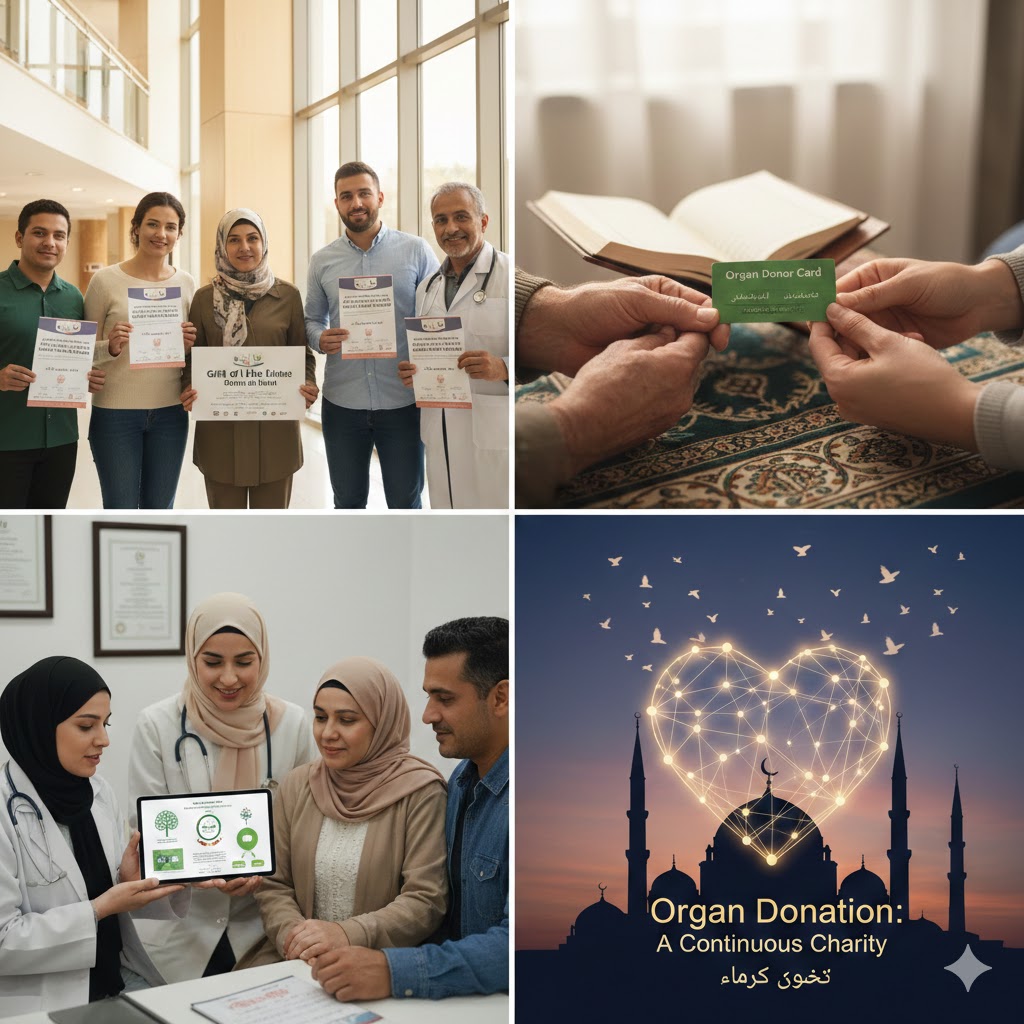
Islam places great importance on niyyah, or intention, in determining the moral weight of an action. Organ donation with the sincere purpose of saving lives can be considered an act of ongoing charity (sadaqah jariyah). This transforms the medical act into a spiritual one, reinforcing the idea that preserving life and respecting dignity are not mutually exclusive but complementary objectives.
Conclusion
Hadith on human dignity provides a robust framework for ethical organ donation. It ensures that medical intervention is carried out with respect, compassion, and spiritual awareness. By combining guidance from hadith with modern medical practice, Muslims can approach organ donation confidently, preserving life while upholding the honor and sanctity of the human body. In this way, faith, ethics, and medicine intersect harmoniously, creating a model for responsible, compassionate action.