




Bodily Integrity in Hanafi Jurisprudence
Hanafi scholars uphold the sanctity of the human body, both during life and after death. The body is considered a trust from Allah and must be treated with dignity. However, the Hanafi school recognizes exceptions when a higher objective, such as saving a life, is at stake. Organ donation after death is permissible under carefully regulated conditions that balance respect for the body with the moral imperative to preserve life.
Ethical Considerations for Posthumous Donations
Hanafi rulings stipulate that posthumous organ donation requires informed consent from the deceased prior to death or from immediate family members. The procedure must respect the body’s dignity, minimize invasive measures, and adhere to medical guidelines. Platforms like Sound Vision provide practical advice on aligning medical practices with Hanafi ethical standards.
Balancing Sanctity and Necessity
The Hanafi framework emphasizes balancing bodily sanctity with the necessity of saving life. Scholars argue that life preservation is a higher objective in Shariah, allowing ethically conducted posthumous organ retrieval. This balance ensures that the body is treated with respect while fulfilling the humanitarian goal of saving lives.
Medical Oversight and Ethical Practice
Hanafi scholars insist that medical professionals follow stringent ethical guidelines, ensuring that procedures respect both religious directives and medical standards. Hospitals and healthcare providers must maintain transparency, informed consent, and dignity throughout the organ donation process.
Community Education and Awareness
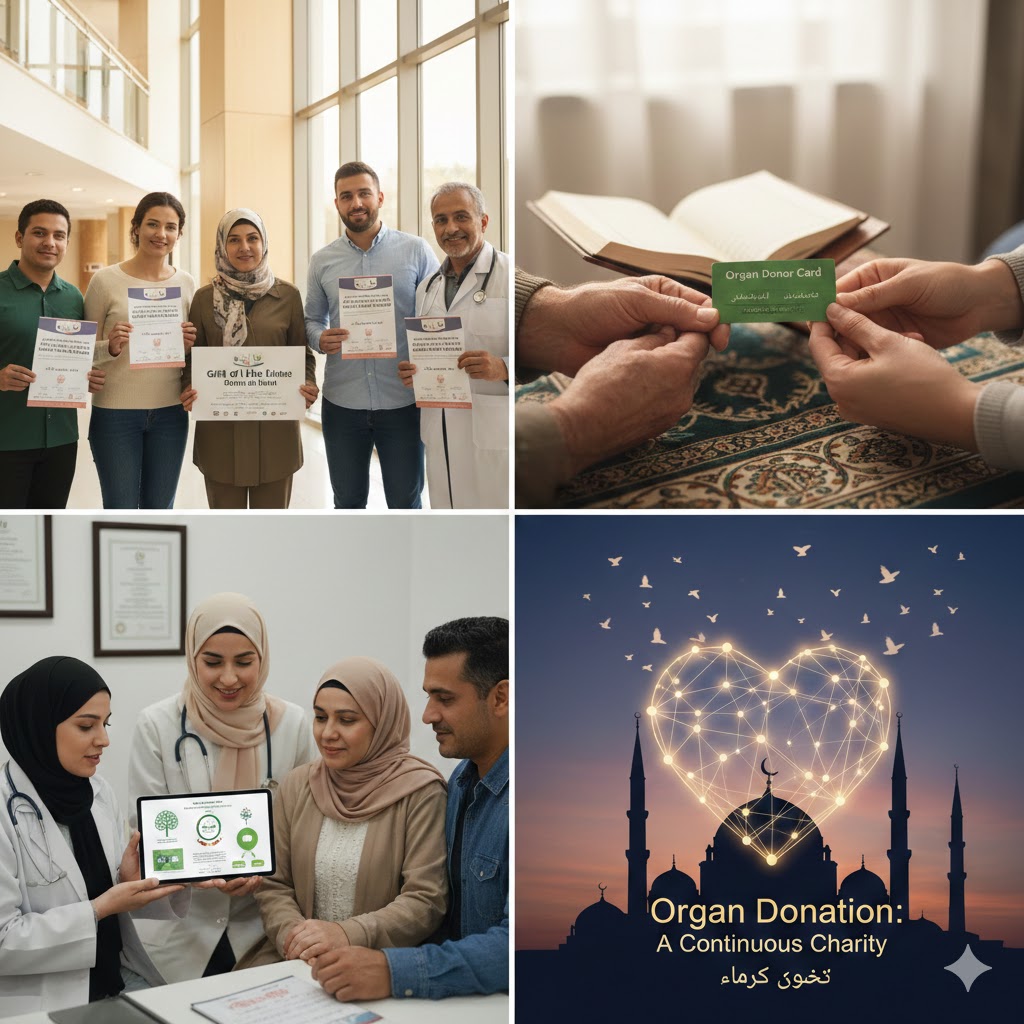
Educating Muslim communities about Hanafi views on bodily integrity and organ donation helps reduce misconceptions and encourage participation in life-saving programs. Mosque seminars, community workshops, and online educational platforms play a vital role in promoting understanding and ethical compliance.
Conclusion
Hanafi views on bodily integrity after death provide a framework that respects human dignity while allowing life-saving interventions. By following consent protocols, ethical medical practices, and Shariah guidance, Muslims can responsibly participate in organ donation. The Hanafi approach reflects the balance between reverence for the human body and the moral duty to preserve life.