



Understanding Brain Death in Hanbali Fiqh
Brain death is a modern medical concept where irreversible loss of brain function is considered legal death. Hanbali scholars recognize brain death as a legitimate indicator of death, provided it is confirmed by medical professionals using established criteria. This perspective allows for timely posthumous organ donation while respecting both medical science and Islamic principles.
Ethical Guidelines for Declaring Death
Hanbali jurisprudence requires that the declaration of brain death be made carefully, following rigorous medical evaluation. Ethical guidelines emphasize that death must be certain before any organ retrieval. This ensures that posthumous donations are conducted responsibly, maintaining respect for the deceased’s body while preserving the sanctity of life. The Sound Vision platform provides practical insights for families navigating this process.
Organ Donation After Brain Death
Once brain death is confirmed, Hanbali scholars permit organ retrieval if consent has been provided. The procedure must be performed respectfully, minimizing invasiveness and maintaining the dignity of the body. Brain death recognition facilitates timely organ transplantation, enhancing the likelihood of saving lives and aligning medical necessity with ethical responsibility.
Living vs. Posthumous Considerations
While living donations require the donor’s health protection, posthumous donations after brain death focus on consent and ethical procedures. Hanbali rulings harmonize modern medical practice with Shariah principles, demonstrating flexibility and responsiveness to contemporary healthcare challenges.
Community Awareness and Religious Guidance
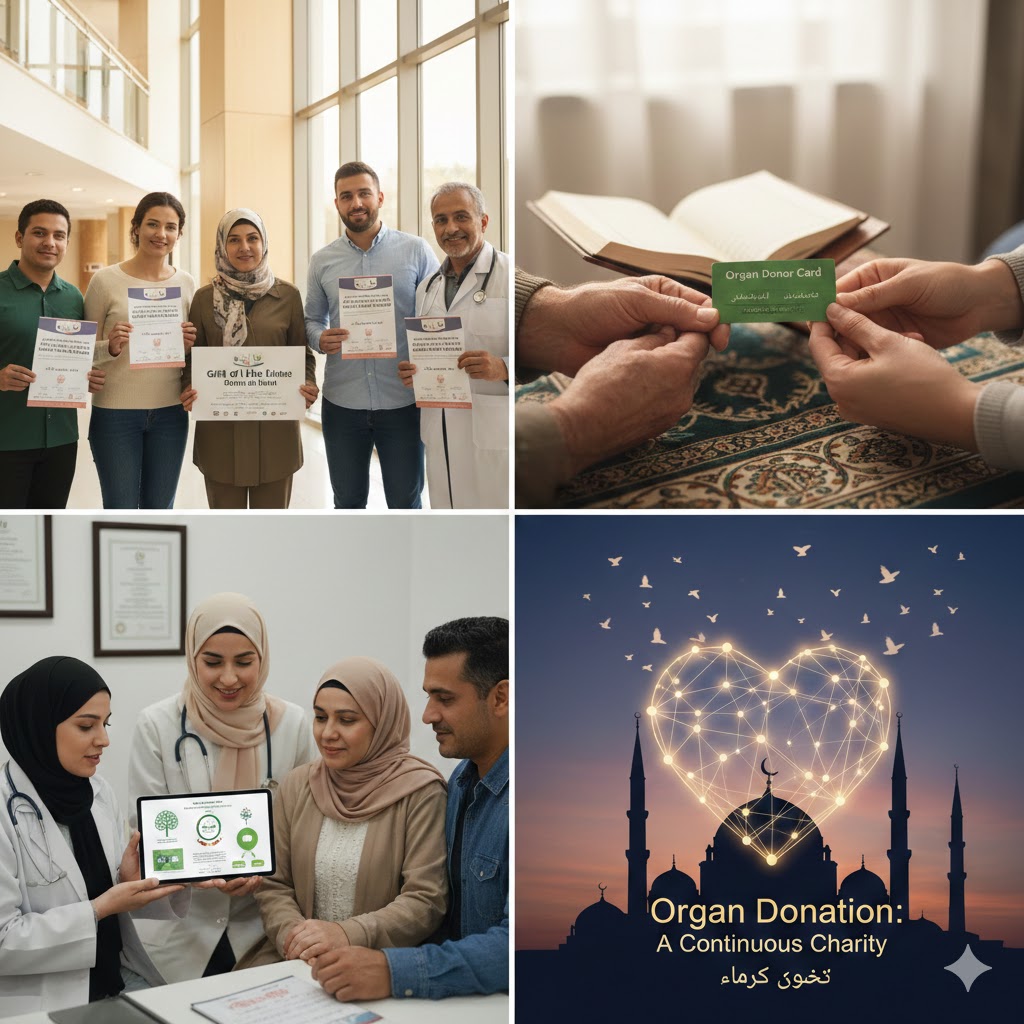
Educating communities about Hanbali views on brain death and organ donation helps families make informed decisions. Mosque seminars, educational workshops, and healthcare guidance ensure that organ donation practices are ethically and religiously compliant. Consultation with scholars provides clarity and trust in the medical process.
Conclusion
The Hanbali perspective on brain death integrates medical science with Shariah ethics, permitting organ donation under strict guidelines. By ensuring proper diagnosis, consent, and respectful procedures, Muslims can participate in life-saving interventions confidently. This approach reflects the Hanbali commitment to preserving life while upholding dignity and ethical responsibility.