

Understanding the Legal Maxim “Hardship Brings Ease”
In Islamic jurisprudence, the maxim al-mashaqqah tajlibu al-taysir (“hardship brings ease”) reflects the principle that Shariah aims to facilitate life and reduce difficulty. This maxim is particularly relevant in medical ethics, including organ donation, where necessity may allow otherwise restricted actions to save a life.
Origins in Islamic Law
This maxim is derived from the Quran and Hadith. Allah says, “Allah does not burden a soul beyond that it can bear” (Surah Al-Baqarah 2:286). Scholars interpret this to mean that hardship can justify flexibility in applying rules, balancing preservation of life with legal obligations.
Application to Organ Donation
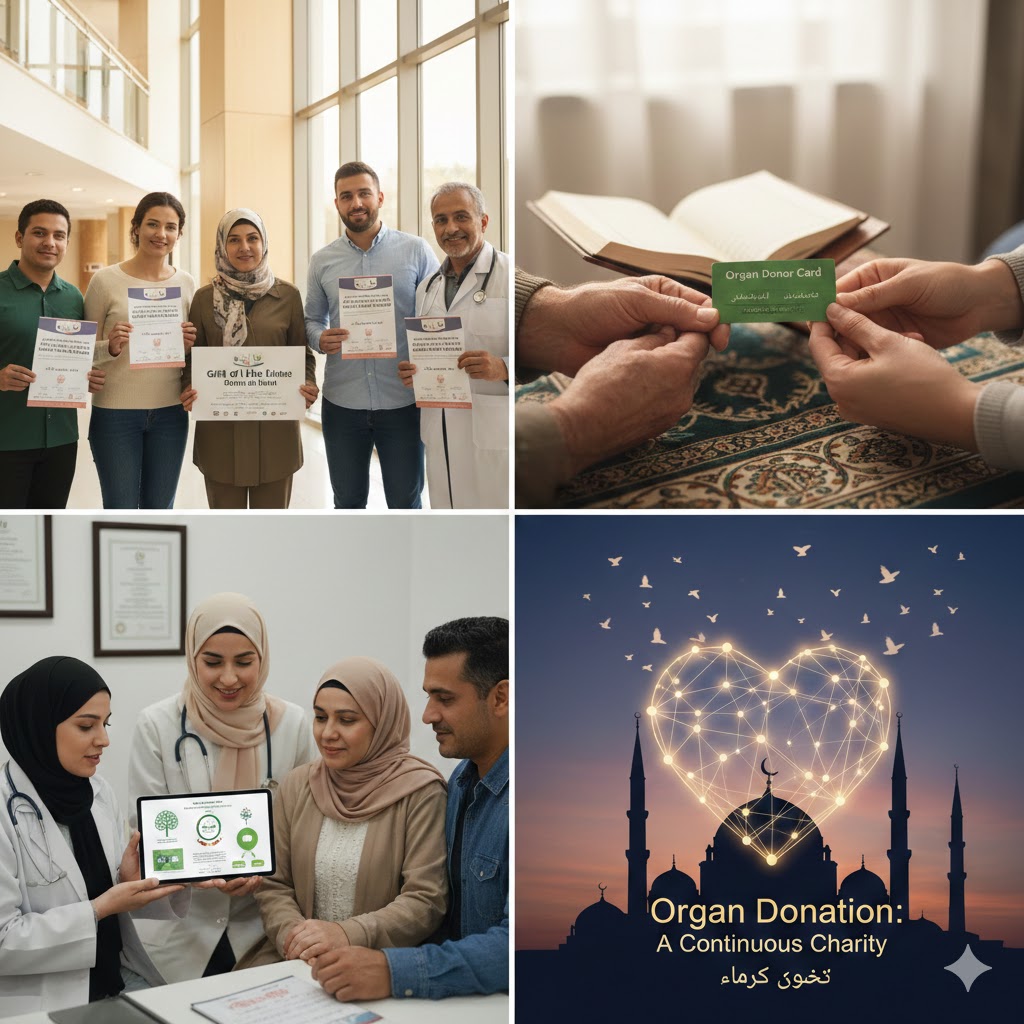
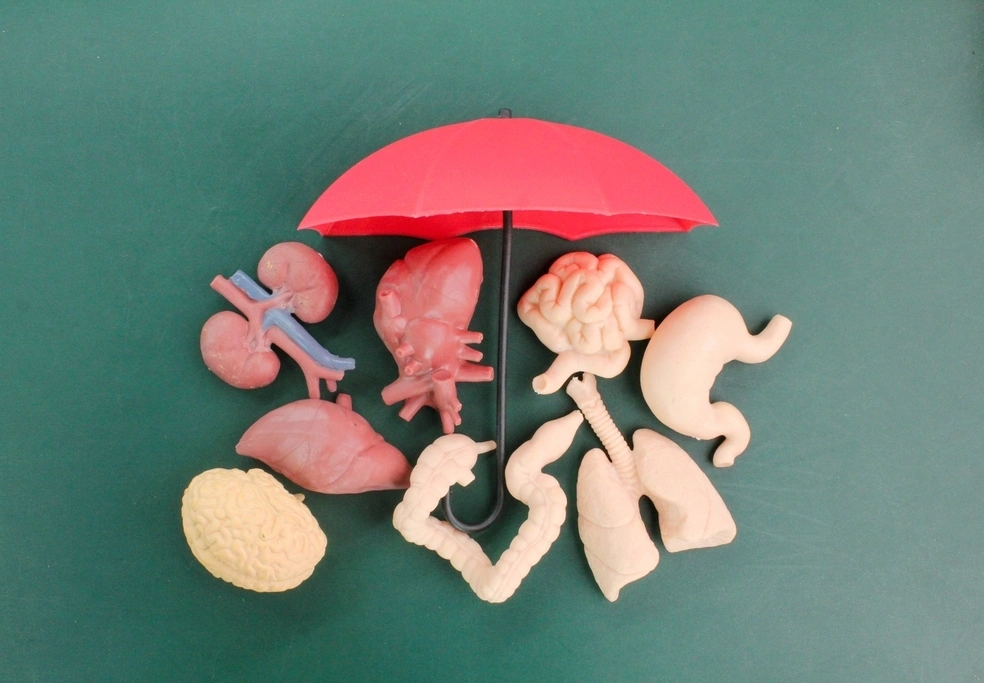
Organ donation sometimes involves difficult decisions, such as surgery on living donors or using organs from deceased individuals. The maxim allows Islamic jurists to permit donation under hardship or necessity, as saving a life outweighs minor restrictions or bodily concerns. Ethical guidelines and medical oversight ensure that the practice remains safe and morally acceptable.
Medical Necessity and Flexibility
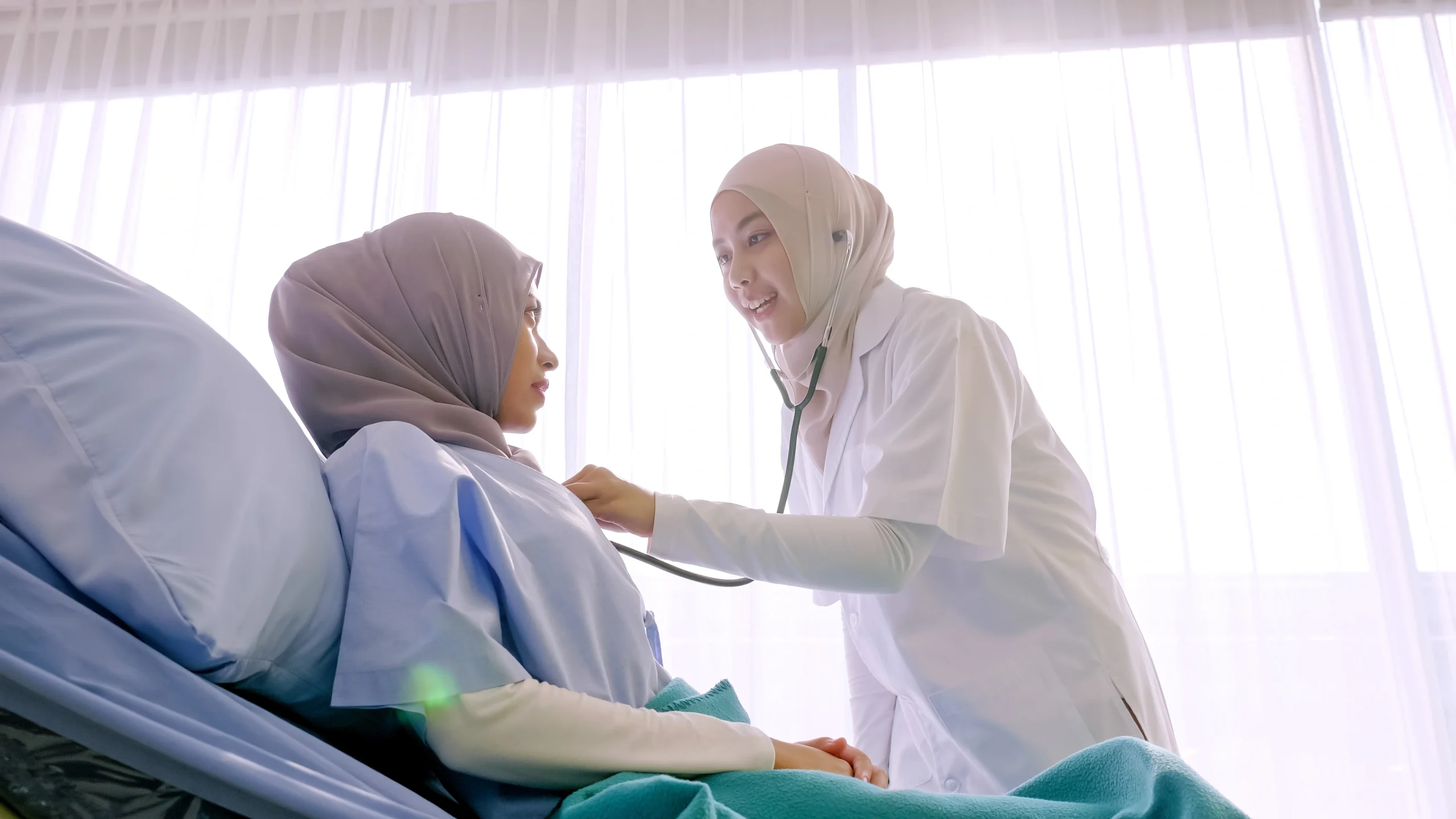
When a patient faces imminent death or serious harm, medical intervention—even if it involves altering bodily integrity—is permissible. Islamic scholars emphasize that necessity allows temporary leniency, provided the action serves a greater good and minimizes harm. This principle aligns with organ transplantation, where life-saving procedures are prioritized.
Supporting Scholarly Opinions
Classical and contemporary jurists reinforce the importance of hardship brings ease in medical contexts. The Islamic Fiqh Academy notes that this principle allows flexibility in Shariah rulings, ensuring that ethical dilemmas—like organ donation—can be resolved in favor of preserving life and public interest.
Integration with Other Legal Maxims
This maxim works alongside others, such as necessity permits the prohibited and removing harm takes precedence over bringing benefit. Together, they create a coherent framework for navigating complex medical and ethical decisions while staying aligned with Shariah principles.
Practical Examples in Organ Donation
For instance, in cases of critical organ failure, a living donor may undergo surgery despite minor hardship, as the benefit of saving life outweighs personal inconvenience. Similarly, posthumous donations are permitted when family consent is granted, and medical procedures are conducted ethically. Scholars argue that these practices reflect the Quranic objective of preserving life and alleviating suffering.
Conclusion
The legal maxim “hardship brings ease” ensures that Shariah remains practical, compassionate, and adaptable, particularly in medical contexts like organ donation. It provides ethical guidance, allowing Muslims to participate in life-saving interventions without violating religious principles. By understanding this maxim, both medical professionals and Muslim communities can navigate organ donation confidently, balancing hardship, necessity, and moral responsibility.