



Common Myths About Organ Donation and the Afterlife
Many Muslims hesitate to donate organs due to myths about the afterlife. Common concerns include the belief that donors may be resurrected incomplete, face spiritual consequences, or disrupt their soul’s journey. While these fears are understandable, they stem from misunderstandings of Islamic teachings and the power of Allah.
Allah’s Power to Restore the Body
The Quran repeatedly emphasizes that Allah is capable of recreating the human body perfectly: “Do they not see that Allah, who created the heavens and the earth, is able to create the like of them?” (Surah Ya-Sin 36:81). This verse assures believers that physical alterations, including organ donation, do not limit divine resurrection. The body’s earthly state does not prevent Allah from restoring it fully.
Misinterpretation of Bodily Integrity
Some fear that organ donation violates the sanctity of the body, affecting resurrection or spiritual rewards. Scholars clarify that minor surgical procedures or organ removal, when conducted ethically, do not compromise dignity or spiritual completeness. Life-saving interventions are viewed as morally commendable and compatible with Shariah.
Living and Posthumous Donation
Living donors may fear permanent changes to their body, while families of deceased donors may worry about posthumous integrity. Islamic jurists, including those from the Islamic Fiqh Academy, confirm that both types of donation are permissible with consent and proper handling. The intention to save life is central to ethical permissibility.
Addressing Spiritual Concerns
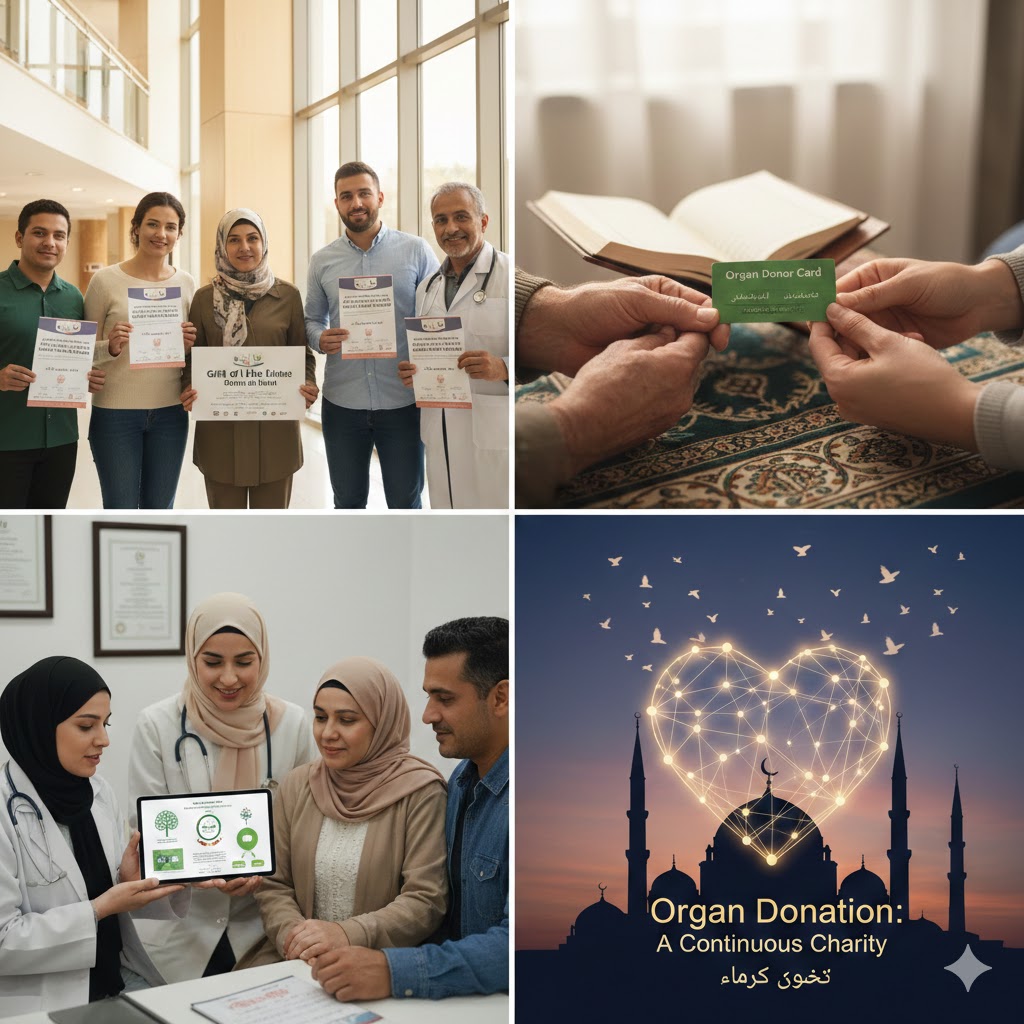
Intention (niyyah) is critical in Islam. Organ donation performed to save lives is regarded as a form of ongoing charity (sadaqah jariyah), earning spiritual reward. This perspective reassures donors and families that ethical donation aligns with religious obligations and enhances spiritual merit rather than diminishing it.
Debunking Myths with Education
Education plays a key role in dispelling myths. Religious leaders and scholars can clarify that organ donation is compatible with the afterlife, spiritual integrity, and Shariah principles. Medical professionals can explain how donation procedures are conducted with respect and minimal physical alteration, ensuring dignity is maintained.
Community and Family Guidance
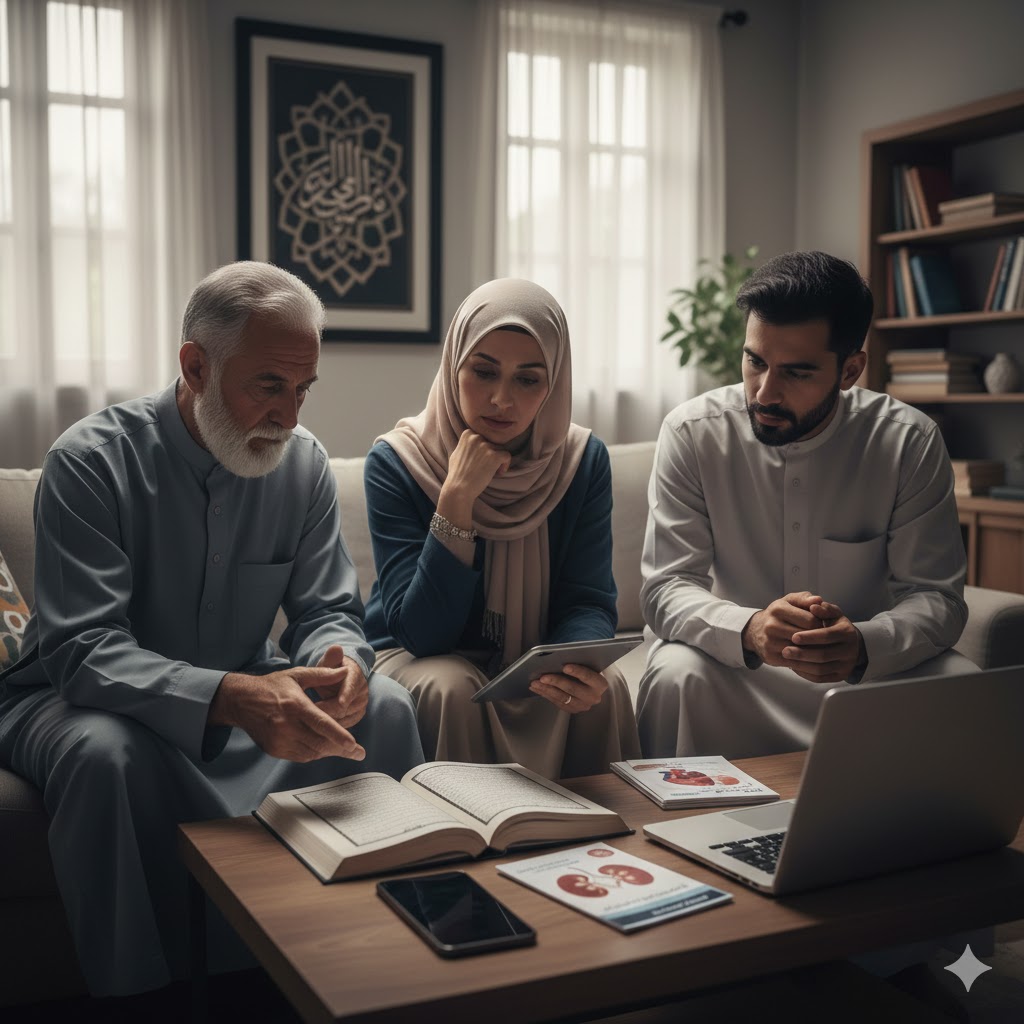
Involving families in decision-making reduces fears and ensures transparency. Religious guidance, clear consent, and ethical medical practices reassure communities that donation does not interfere with resurrection or spiritual well-being. Collaboration between scholars, medical teams, and families creates a holistic approach to organ donation.
Ethical and Moral Alignment
Organ donation demonstrates compassion, altruism, and ethical responsibility. Islam encourages helping others and saving lives, and these principles take precedence over minor physical concerns. By debunking myths, Muslims can align their actions with both ethical obligations and religious beliefs.
Conclusion
Myths about the afterlife and organ donation are largely unfounded. Islamic teachings affirm that Allah can restore the body completely, and ethical donation does not compromise resurrection or spiritual integrity. With proper intention, consent, and respect for the body, Muslims can confidently participate in life-saving organ donation, fulfilling both moral and religious responsibilities.