



The Importance of Legal Documentation in Organ Donation
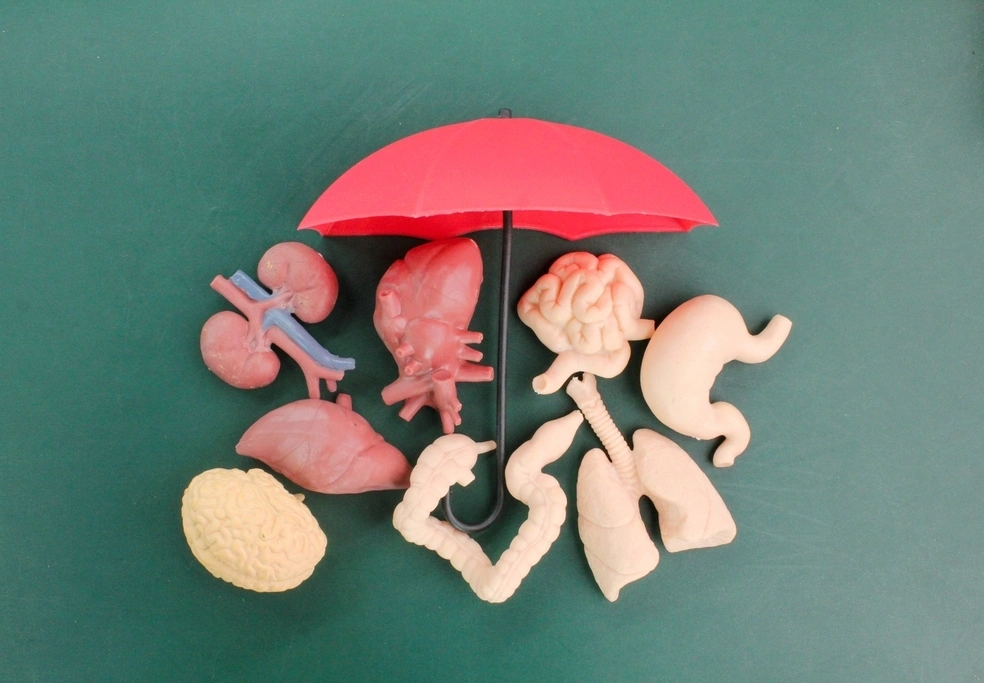
Legal documentation ensures that organ donation is carried out ethically, transparently, and in accordance with both national law and Islamic law. Proper records protect donors, recipients, families, and medical professionals while providing clarity and accountability. Integrating Shariah compliance into legal documentation strengthens trust within Muslim communities and encourages participation in life-saving practices.
Islamic Legal Perspective
In Islam, intention (niyyah) and proper procedure are crucial. The Quran states: “Whoever saves a life, it is as if he has saved all of humanity” (Surah Al-Ma’idah 5:32), underscoring the ethical imperative of saving lives. Legal documentation ensures that the donor’s intention is clear, voluntary, and aligned with Shariah principles. Documentation acts as proof that the donor’s actions are morally and legally sound.
Key Components of Legal Documentation
Shariah-compliant legal documents for organ donation should include:
- Donor information: Name, age, and health status.
- Type of donation: Living or posthumous, specifying organs to be donated.
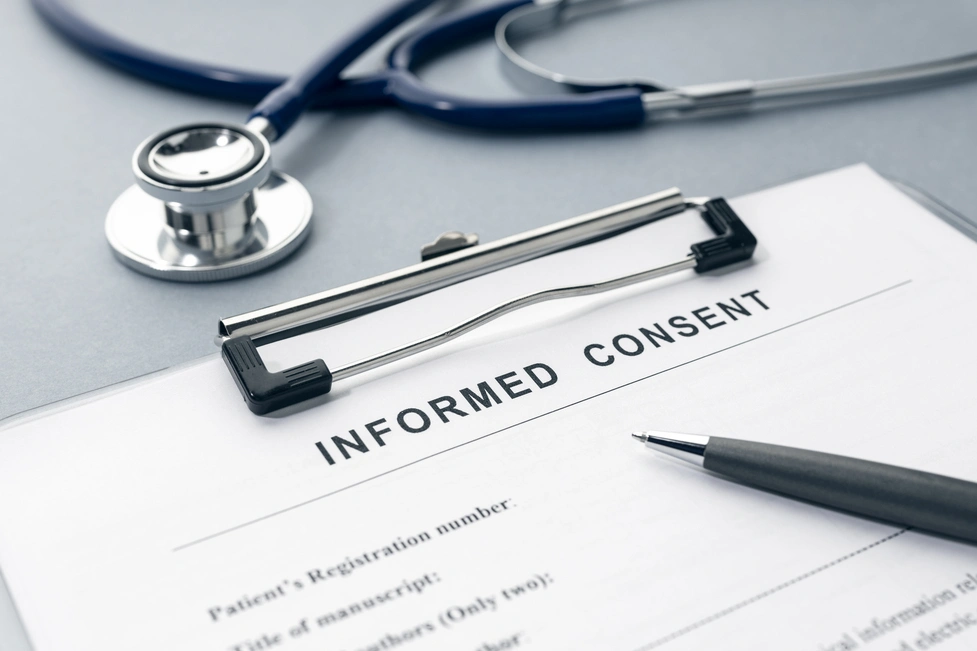
- Consent statement: Clear, voluntary consent acknowledging understanding of risks and benefits.
- Witnesses: Neutral, trustworthy individuals to verify consent.
- Family awareness: Confirmation that family members are informed and supportive.
- Shariah compliance declaration: Statement affirming that the procedure follows Islamic ethical guidelines.
- Registration with authorities: Submission to hospitals or national organ registries to ensure legal validity.
Integration with Healthcare Systems
Hospitals in Muslim-majority and Western countries have established protocols to integrate legal documentation with medical practice. Electronic health records, consent forms, and digital registries help track donations, verify consent, and maintain compliance with both legal and religious standards. Religious authorities may review documentation to ensure Shariah alignment, particularly in complex or sensitive cases.
Addressing Common Concerns
Families and community members may worry about disputes, bodily integrity, or religious permissibility. Legal documentation mitigates these concerns by providing clear, verifiable evidence of the donor’s wishes and ethical compliance. Combined with religious guidance, it ensures that both the donor and family are confident that procedures are conducted appropriately.
Scholarly Guidance
Islamic scholars emphasize that formal documentation, coupled with intention and ethical practice, is essential for life-saving interventions like organ donation. The Islamic Fiqh Academy highlights that legal and religious compliance ensures both moral reward for the donor and societal trust in medical practices. Documentation acts as a bridge between Shariah principles and modern healthcare regulations.
Practical Example
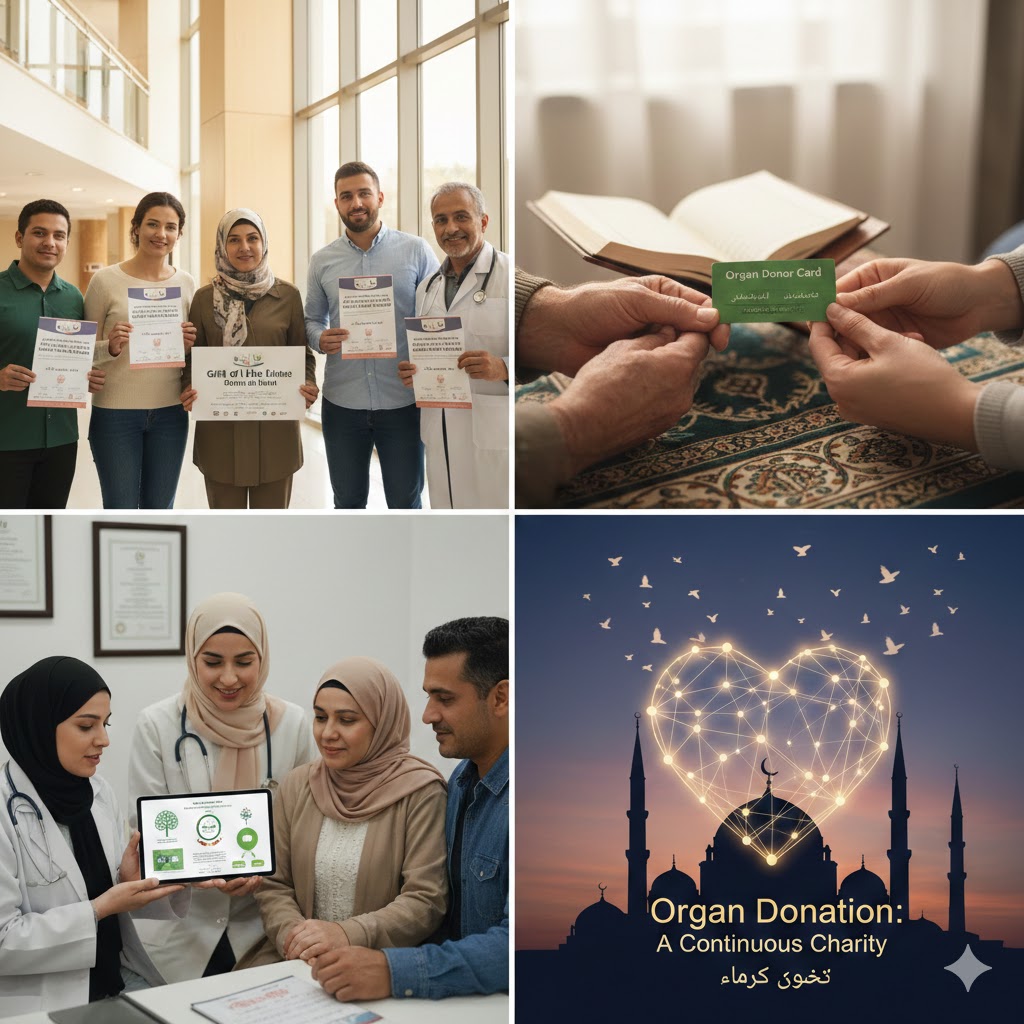
A Muslim individual in a hospital setting can prepare a Shariah-compliant consent form for organ donation. The form, signed by the donor, family members, and two witnesses, is submitted to the hospital registry. The document clearly specifies organs, confirms voluntary consent, and affirms alignment with Islamic law. This ensures the donation is legally valid, ethically sound, and religiously permissible.
Conclusion
Legal documentation, when integrated with Shariah compliance, ensures that organ donation is ethical, transparent, and legally recognized. Properly prepared documents safeguard donors, recipients, and families while aligning with Islamic principles. By combining legal oversight, religious guidance, and ethical medical practice, Muslims can confidently participate in organ donation, saving lives and fulfilling both moral and religious obligations.