


Islamic Perspective on Life-Saving Treatments
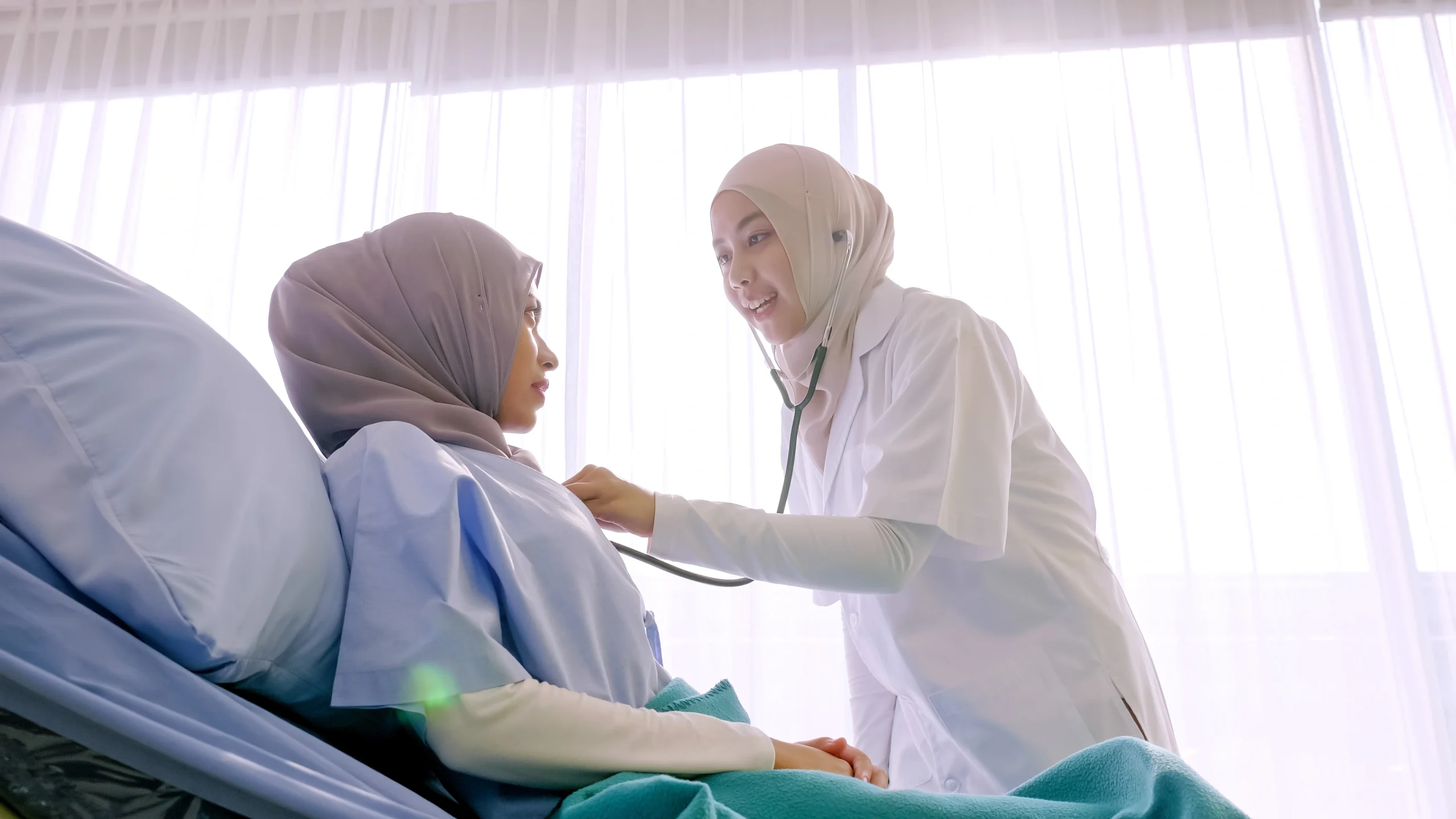
Shariah emphasizes the preservation of life (hifz al-nafs) as a fundamental objective. Medical treatments that prevent death or alleviate severe illness are highly valued, aligning with Quranic principles. Procedures like surgeries, medications, and organ transplants are not only permissible but encouraged when they protect life and reduce suffering.
Medical Necessity and Ethical Guidelines
Islamic law recognizes medical necessity as a justification for interventions that might otherwise be restricted. This includes organ donation, invasive procedures, and the use of advanced medical technology. The principle of al-darurat tubih al-mahzurat (necessities permit the prohibited) ensures that treatments essential to preserving life are ethically and religiously acceptable. Resources like the Islamic Fiqh Academy provide detailed guidance for compliance with Shariah in medical contexts.
Organ Donation as a Life-Saving Intervention
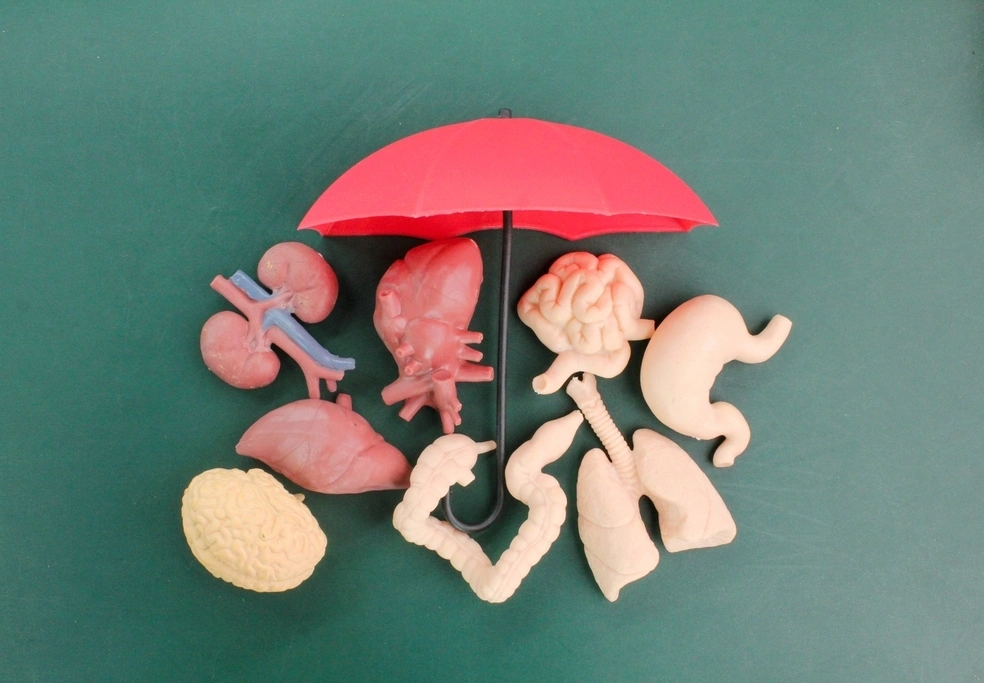
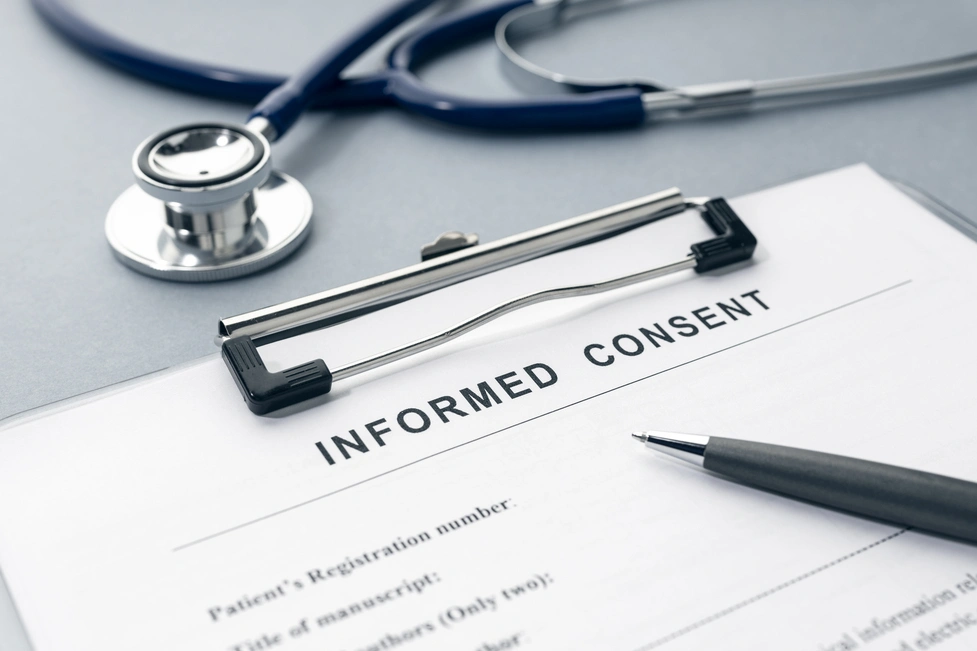
Organ donation exemplifies the integration of medical necessity with Islamic ethics. Transplants can rescue patients with organ failure, directly fulfilling the Quranic mandate to protect life (Surah Al-Ma’idah 5:32). Ethical considerations include informed consent, donor safety, and respectful handling of deceased donors, ensuring that the act is fully compliant with religious and moral principles.
Living and Posthumous Donations
Living donors are guided to undergo procedures only if their health is not endangered, emphasizing responsibility and ethical conduct. Posthumous donations require family consent and respectful treatment of the body. Platforms like Sound Vision provide practical guidance for families, ensuring that these life-saving treatments are both religiously and ethically appropriate.
Community and Ethical Engagement
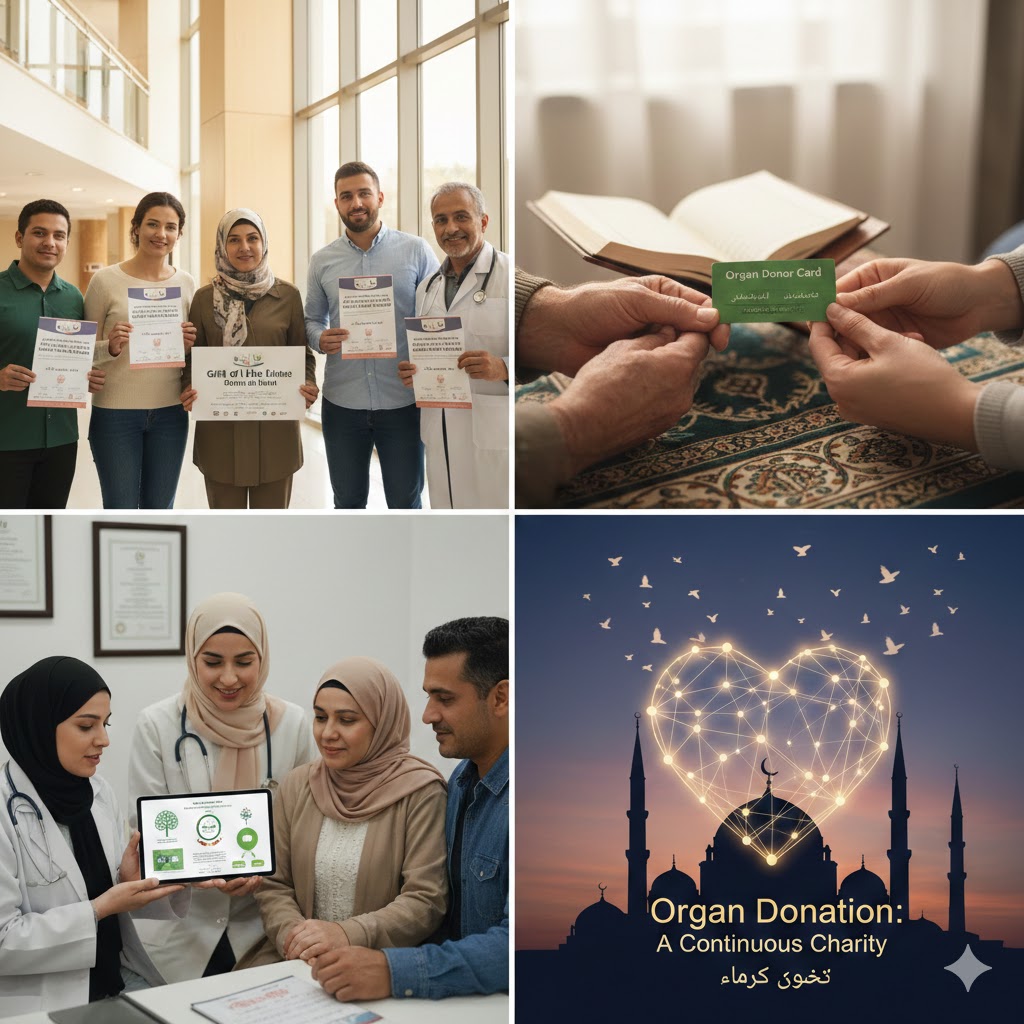
Promoting awareness of life-saving treatments within Muslim communities is essential. Educational campaigns, mosque seminars, and healthcare programs help individuals make informed decisions about organ donation and other medical interventions. These efforts foster ethical responsibility, communal well-being, and alignment with Islamic values of mercy and compassion.
Conclusion
Life-saving medical treatments are fully supported by Shariah when conducted ethically and responsibly. Organ donation, surgeries, and emergency interventions exemplify the Islamic commitment to preserving life and alleviating suffering. By following religious guidance, ethical standards, and medical protocols, Muslims can participate in life-saving initiatives confidently, embodying mercy, compassion, and the holistic ethical vision of Islam.