



Contemporary Hanbali Scholarship
Modern Hanbali scholars have addressed the evolving challenges of organ transplantation, offering guidance that harmonizes classical jurisprudence with contemporary medical realities. These scholars recognize the moral imperative to save life while emphasizing ethical compliance, informed consent, and respect for the human body. Institutions like the Islamic Fiqh Academy publish rulings that provide clarity and guidance for both families and medical professionals.
Conditions for Permissibility
Scholars emphasize several conditions for permissible organ donation: voluntary consent, protection of donor health, adherence to medical and ethical standards, and respectful handling of deceased bodies. These conditions ensure that organ donation fulfills the dual objectives of saving lives and maintaining religious compliance. Platforms like Sound Vision offer practical advice for families to navigate these processes ethically.
Living Donors and Ethical Compliance
Modern Hanbali scholars stress that living donors must undergo comprehensive medical evaluation to prevent undue risk. Ethical considerations include informed consent, procedural safety, and ensuring that the donor’s welfare is prioritized. When these conditions are met, organ donation is considered both ethically and religiously commendable.
Posthumous Donations and Religious Oversight
For deceased donors, Hanbali rulings require prior consent or family authorization and emphasize respectful medical procedures. Religious oversight ensures Shariah compliance, bridging the gap between ethical medical practice and spiritual responsibility. Proper guidance helps families make informed decisions and minimizes religious or ethical concerns.
Community Education and Awareness
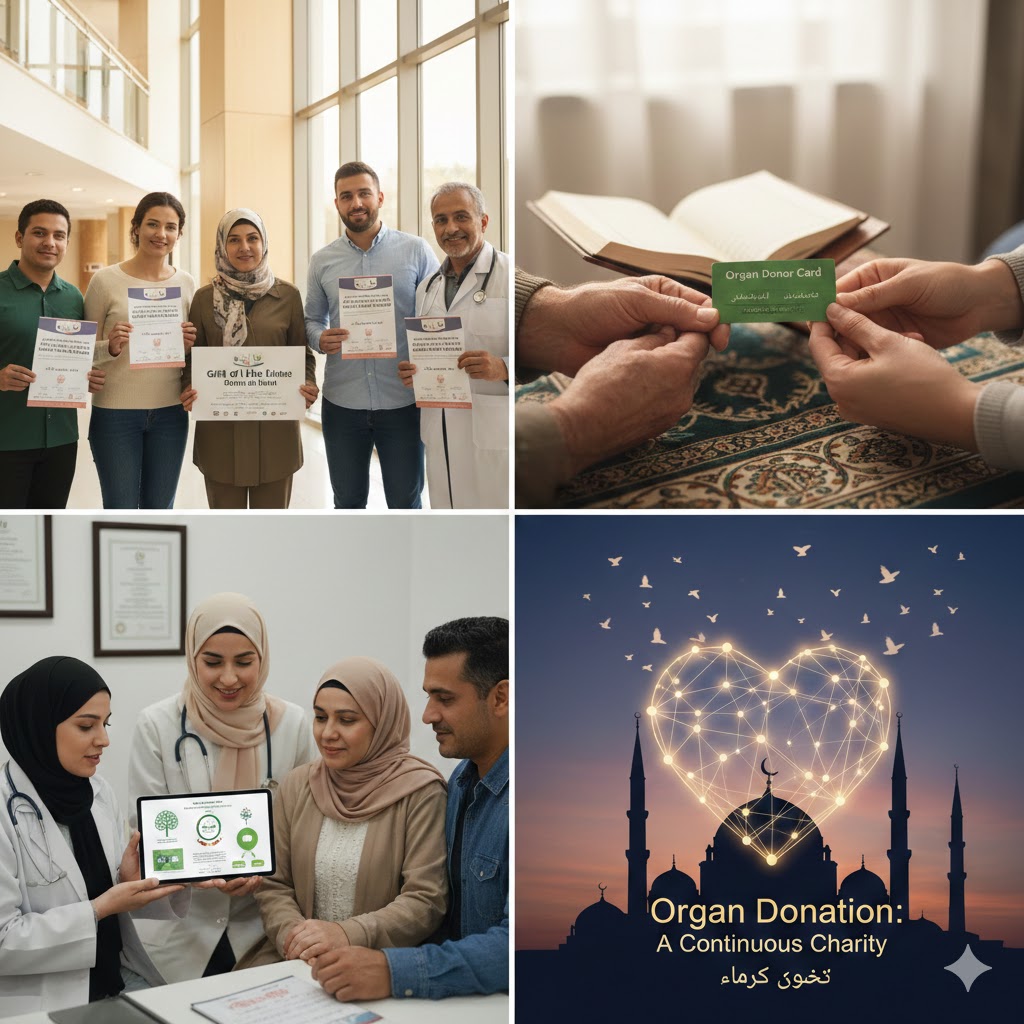
Awareness campaigns, mosque seminars, and educational programs promote understanding of Hanbali perspectives on organ donation. Educating communities helps reduce misconceptions, encourages responsible participation, and ensures that life-saving interventions are ethically and religiously sound.
Conclusion
Modern Hanbali scholars provide clear guidance on organ donation, harmonizing ethical, religious, and medical considerations. By adhering to consent protocols, safeguarding donor health, and respecting human dignity, Muslims can engage in life-saving interventions confidently. The Hanbali approach illustrates the adaptability of Islamic jurisprudence to contemporary medical challenges, reflecting compassion, responsibility, and commitment to preserving life.