


Understanding Posthumous Organ Donation
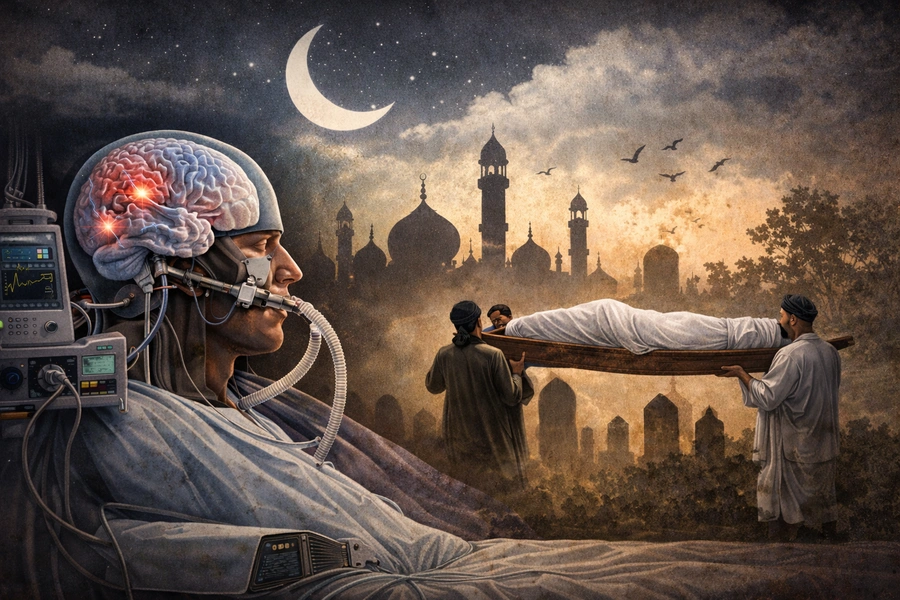
Organ donation after natural death involves retrieving organs from a deceased individual to save or improve the lives of others. This practice has become a critical component of modern transplant medicine. In Islam, posthumous donation is subject to ethical, legal, and religious considerations, including the preservation of human dignity and respect for the deceased.
The Principle of Saving Lives
The Quran emphasizes the sanctity of life: “Whoever saves a life, it is as if he has saved all of humanity” (Surah Al-Ma’idah 5:32). This principle supports organ donation as an act of compassion, provided it does not violate Shariah rules. Scholars argue that posthumous donation aligns with Islamic objectives when conducted ethically.
Respecting the Deceased
Islam requires that the body of a deceased person be treated with utmost respect. Autopsies, organ retrieval, or any medical procedure must avoid unnecessary mutilation or indignity. Scholars have emphasized that the donation process should be minimally invasive, preserving the integrity of the body for burial. Ethical protocols ensure that the deceased are honored while facilitating life-saving procedures.
Consent of the Deceased
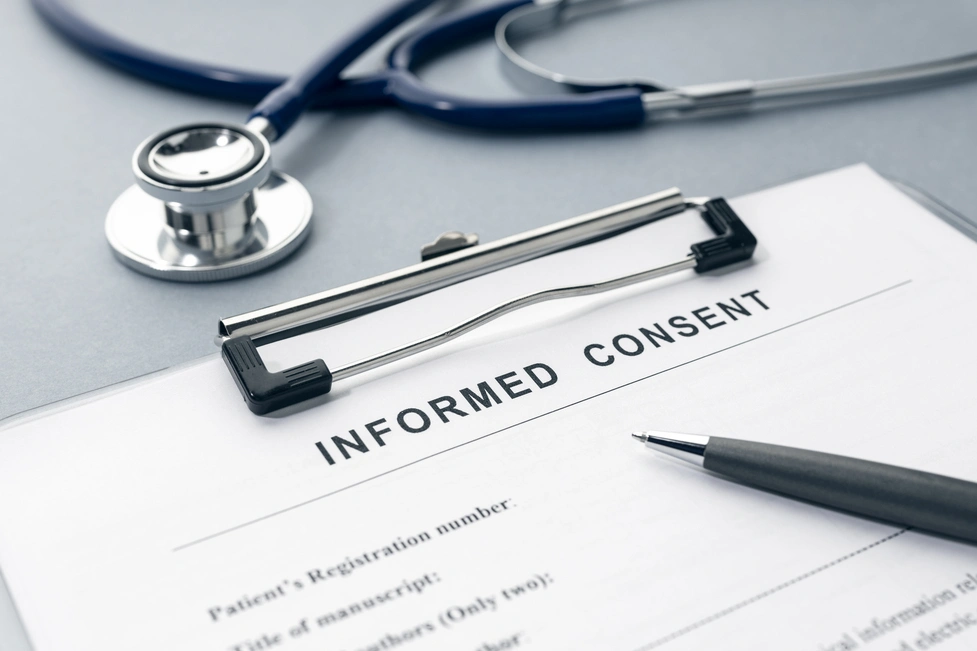
Voluntary consent is crucial in posthumous donation. Ideally, the individual should express willingness to donate organs through formal documentation, such as a medical directive or a will (wasiyyah). Without prior consent, most scholars advise that permission should be sought from immediate family members before proceeding, respecting both Shariah and ethical norms.
Time-Sensitive Nature of Donation
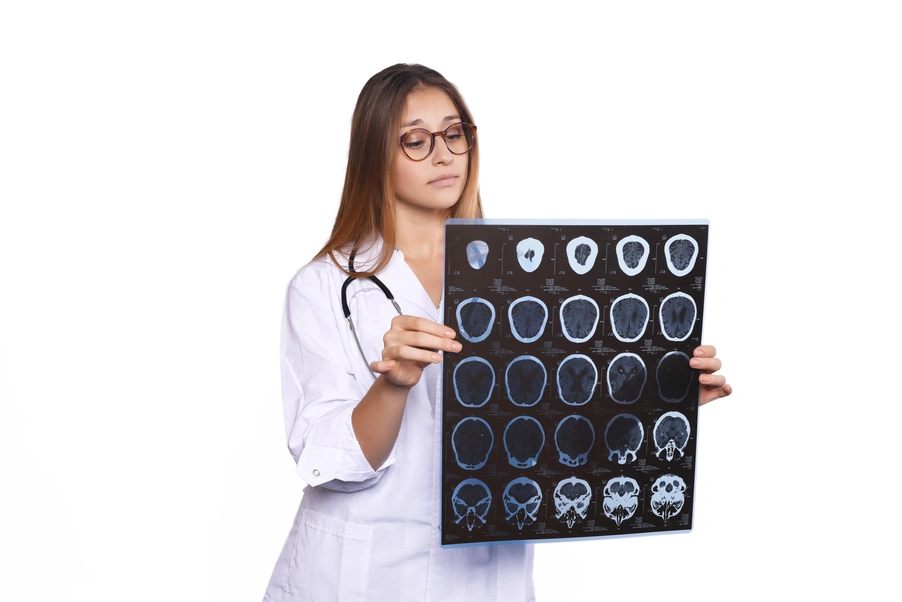
Organ viability decreases rapidly after death. Therefore, retrieval must occur promptly while balancing the need for proper authorization and religious sensitivity. Coordination between medical teams, family members, and religious authorities is essential to ensure that both ethical and medical standards are met.
Scholarly Opinions
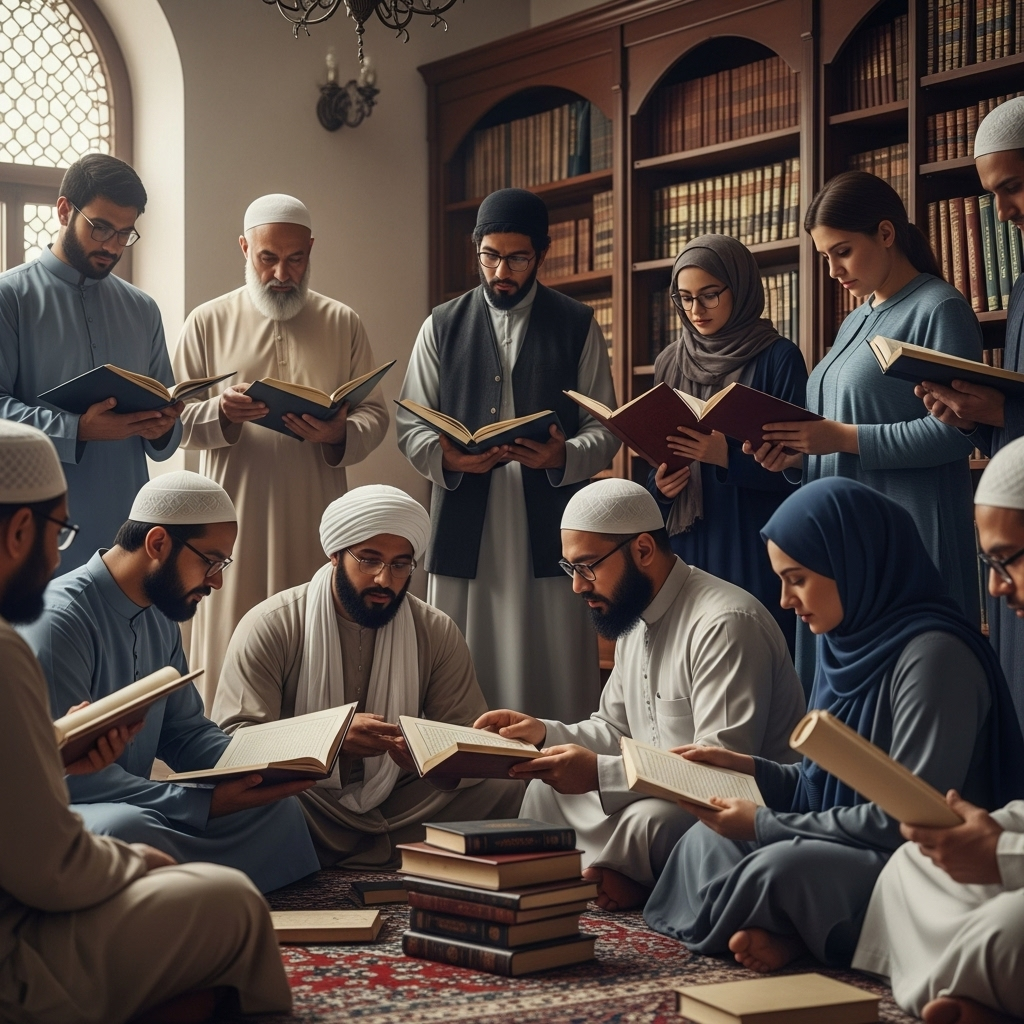
Major Islamic juristic bodies, including the Islamic Fiqh Academy and Al-Azhar, have examined posthumous donation. They generally permit it under conditions that preserve the dignity of the deceased, obtain consent, and ensure that the donation is intended to save lives. Sale or commercialization of organs remains strictly prohibited.
Ethical Safeguards
Posthumous donation requires strict safeguards to prevent exploitation. These include transparent medical evaluation, separation of retrieval and transplant teams, and legal documentation verifying consent. Public education programs also play a role in encouraging ethical donation while reducing misunderstandings about Islamic permissibility.
Spiritual Significance
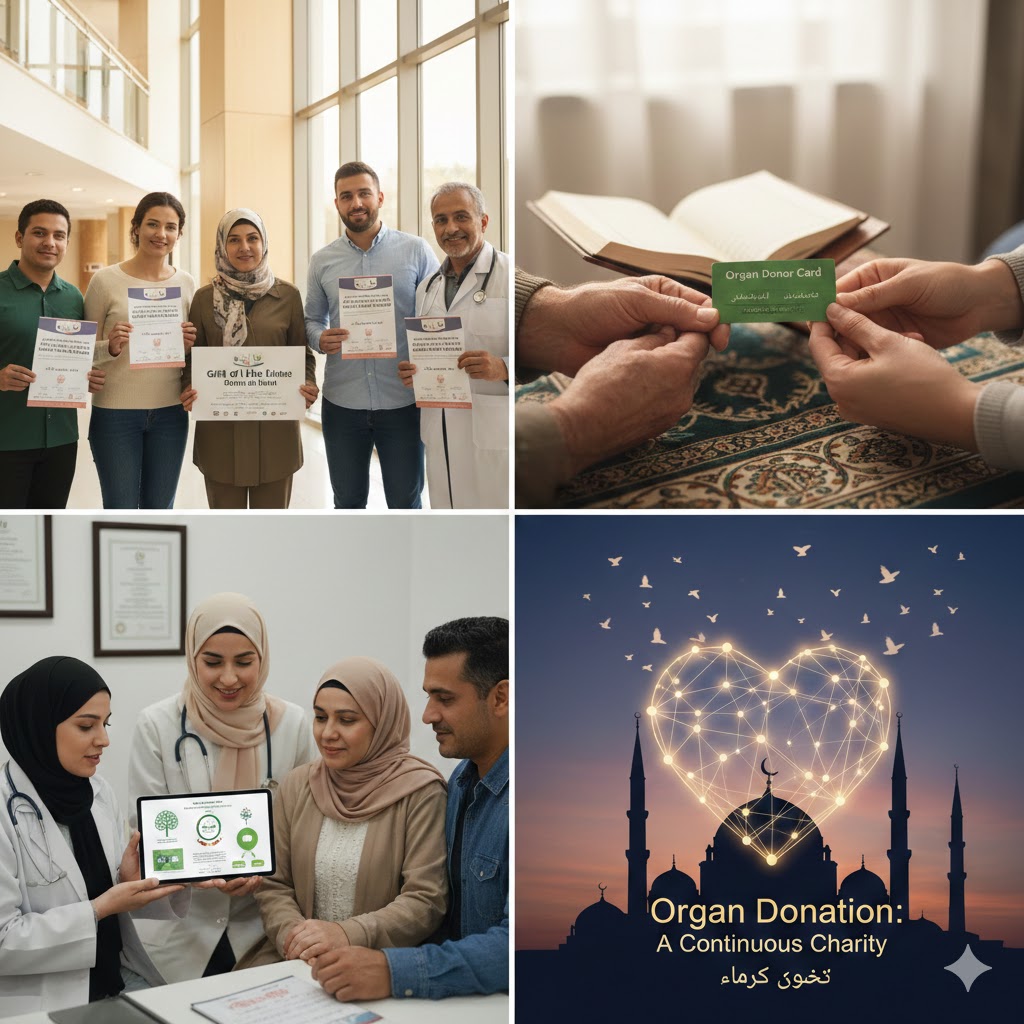
Organ donation after death can be considered an act of sadaqah jariyah (ongoing charity) if intended sincerely. Families often find solace in knowing that their loved one’s organs have saved lives, turning grief into a meaningful act of compassion that benefits society and fulfills ethical principles of Islam.
Conclusion
Posthumous organ donation in Islam is permissible when guided by ethical, legal, and religious principles. It requires respect for the deceased, voluntary consent, minimal bodily harm, and strict safeguards against exploitation. When conducted properly, it embodies the Islamic values of compassion, justice, and preservation of life, transforming a personal loss into a life-saving contribution for others.