





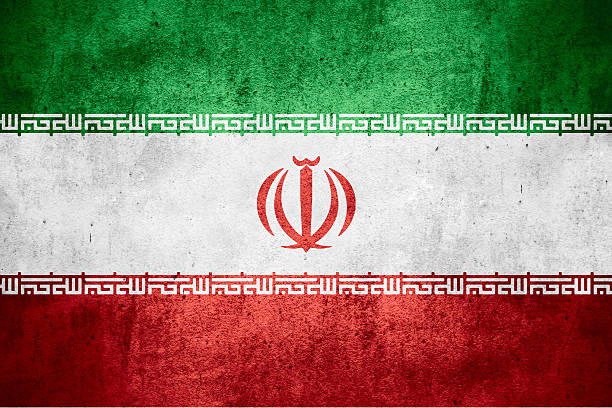

Development of a Structured Transplant System
Following religious approval from leading Shia scholars, Iran developed a nationally regulated organ transplant system. The country’s policies were designed to ensure ethical compliance, medical oversight, and equitable access. Religious endorsement provided legitimacy, while legal frameworks ensured transparency and accountability in transplantation procedures.
Religious Foundations of Policy
Iran’s organ transplant policies are rooted in Ja’fari jurisprudence, particularly the principle of preserving life. The Quranic directive to save lives (Surah Al-Ma’idah 5:32) underpins the system. Donation is permitted under strict conditions: confirmed death, voluntary consent, and adherence to ethical medical standards. These safeguards ensure compliance with Shariah while promoting public trust.
Living Donor Regulations
Iran is known for its regulated living donor kidney program. Strict screening processes, medical evaluations, and legal oversight are implemented to protect donor health. Religious scholars emphasize voluntary participation and informed consent, ensuring that donors act without coercion. Ethical supervision aims to prevent exploitation while facilitating life-saving transplants.
Posthumous Donation Framework
Posthumous organ donation is permitted after confirmed brain death, supported by religious rulings. Consent from the donor prior to death or from family members is mandatory. Hospitals follow standardized protocols to ensure respectful treatment of the body. Educational platforms like Sound Vision discuss how Islamic ethics align with such regulated systems.
Public Awareness and Religious Endorsement
Public education campaigns in Iran emphasize the religious permissibility and moral value of organ donation. Clerics, healthcare professionals, and community leaders collaborate to promote awareness. By integrating faith-based messaging with medical education, authorities have fostered widespread acceptance of transplantation.
Ethical Oversight and Continuous Reform
Iranian policies continue to evolve, ensuring that transplantation remains ethical and medically sound. Oversight committees monitor compliance with both religious and medical standards. This dynamic framework reflects an ongoing effort to balance compassion, necessity, and ethical responsibility.
Conclusion
Iran’s organ transplant policies demonstrate how religious rulings can shape effective healthcare systems. By grounding regulations in Ja’fari jurisprudence and prioritizing life preservation, Iran has created a structured, ethically supervised transplantation model. The system illustrates the compatibility of Islamic law with modern medical innovation when guided by responsible oversight.