
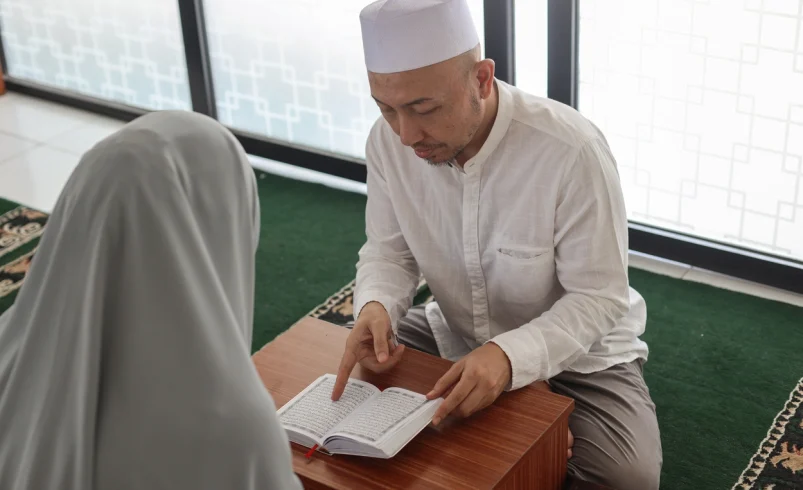

Understanding Maslahah in Islamic Law
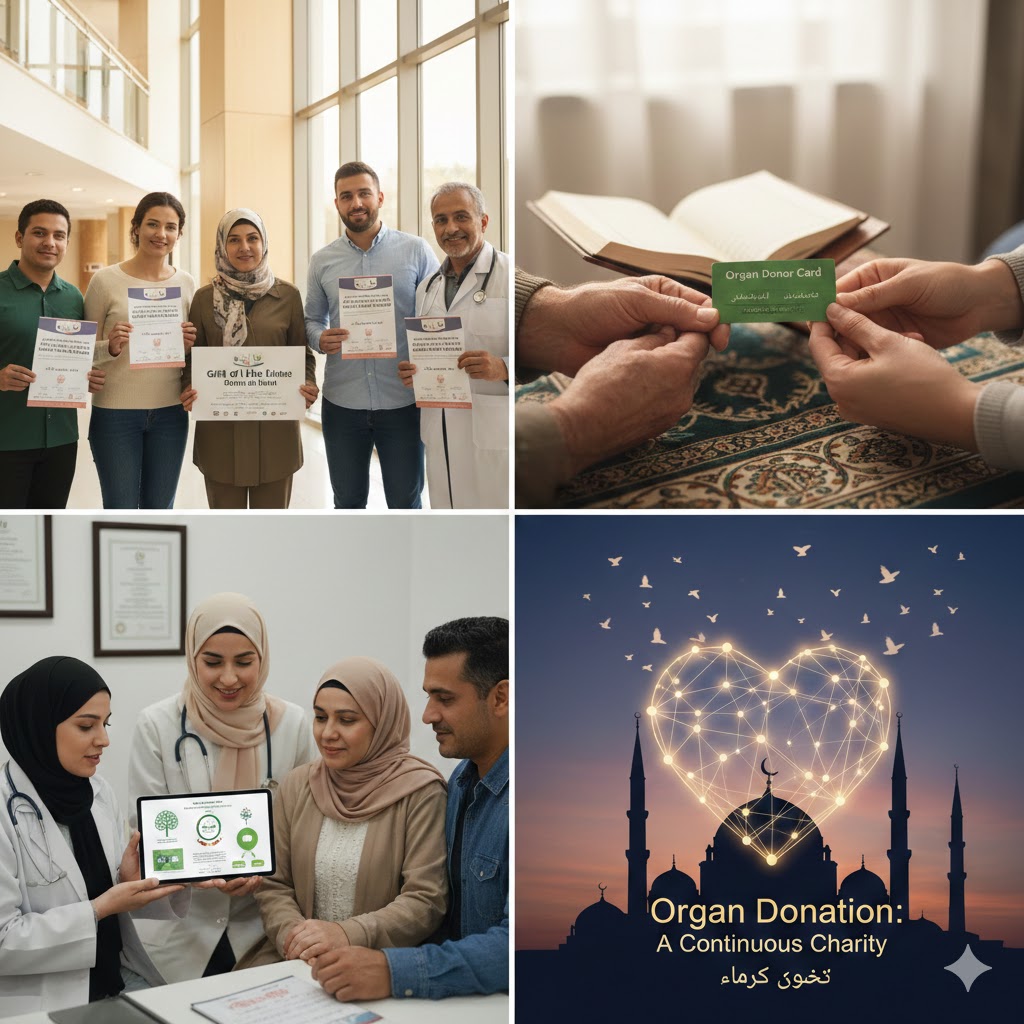
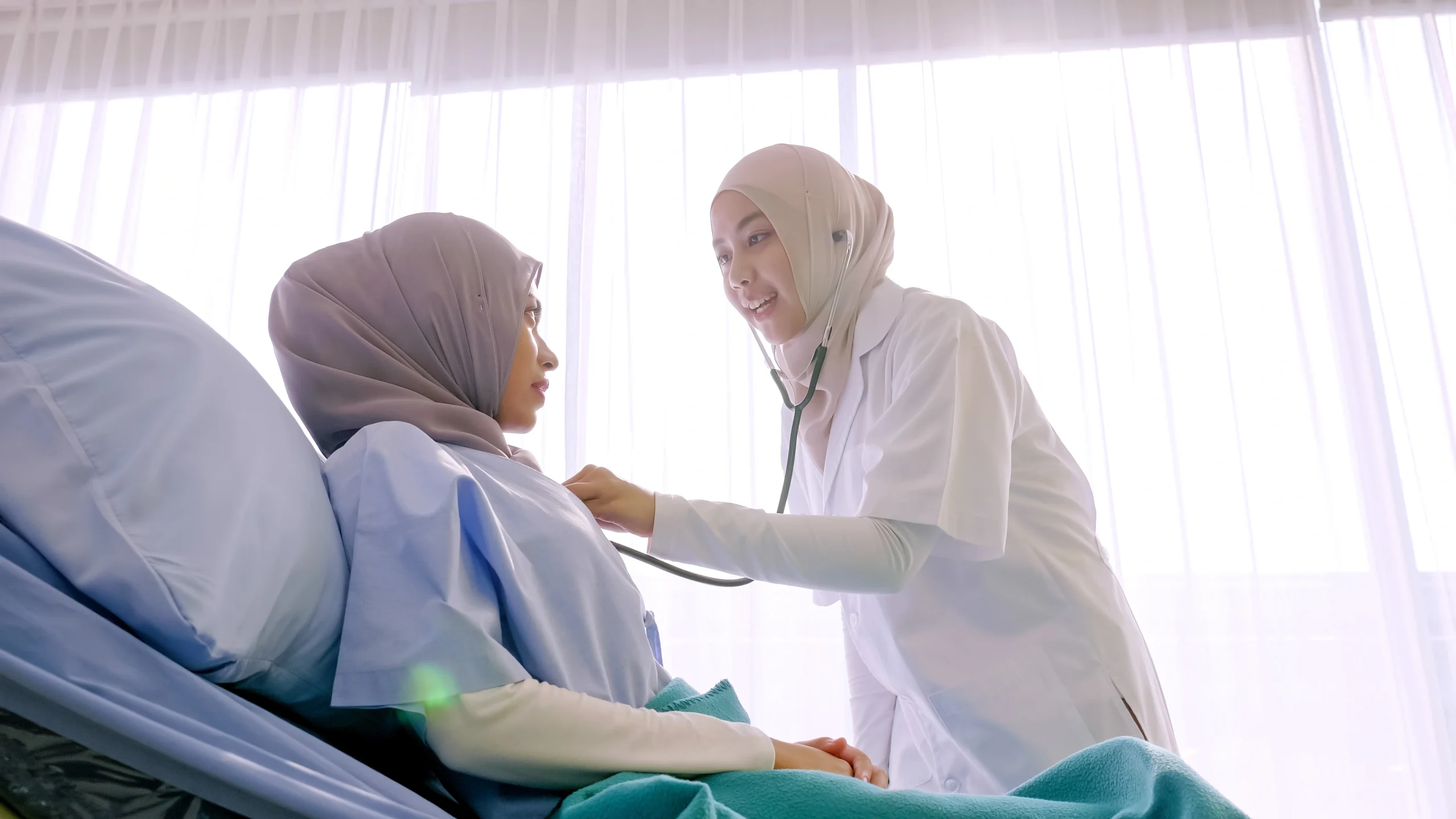
In Islamic jurisprudence, Maslahah refers to actions or policies that promote public welfare and prevent harm. It serves as a guiding principle in medical ethics, helping scholars and healthcare professionals make decisions that balance individual rights with societal benefit. Organ donation, which saves lives and contributes to public health, exemplifies the application of Maslahah in practice.
Quranic and Prophetic Foundations
The Quran emphasizes the importance of benefiting society and preserving life: “Do good to people as Allah has done good to you” (Surah Al-Qasas 28:77). The Prophet Muhammad (peace be upon him) also encouraged actions that serve the community and prevent harm. These teachings form the ethical basis for applying Maslahah in modern medical practices.
Application of Maslahah in Organ Donation
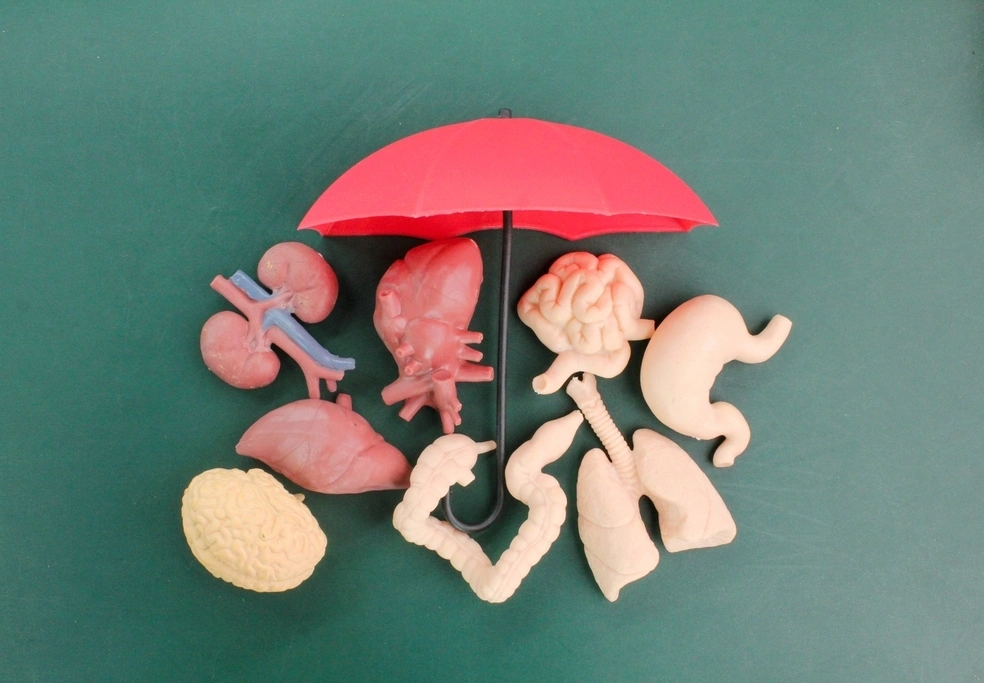
Organ donation benefits individuals in need while serving the broader public interest by reducing mortality and enhancing healthcare outcomes. Islamic scholars consider such acts ethically permissible because they fulfill a societal need, align with Shariah objectives, and preserve human life. The principle of Maslahah supports both living and posthumous donations when conducted responsibly.
Balancing Individual and Public Interests
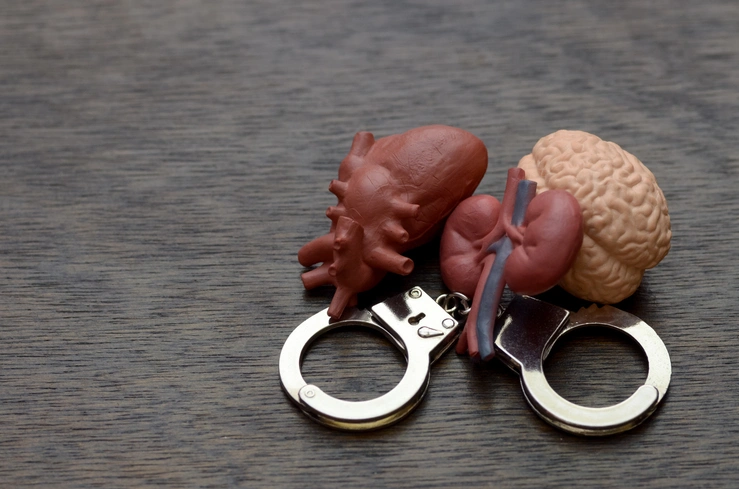
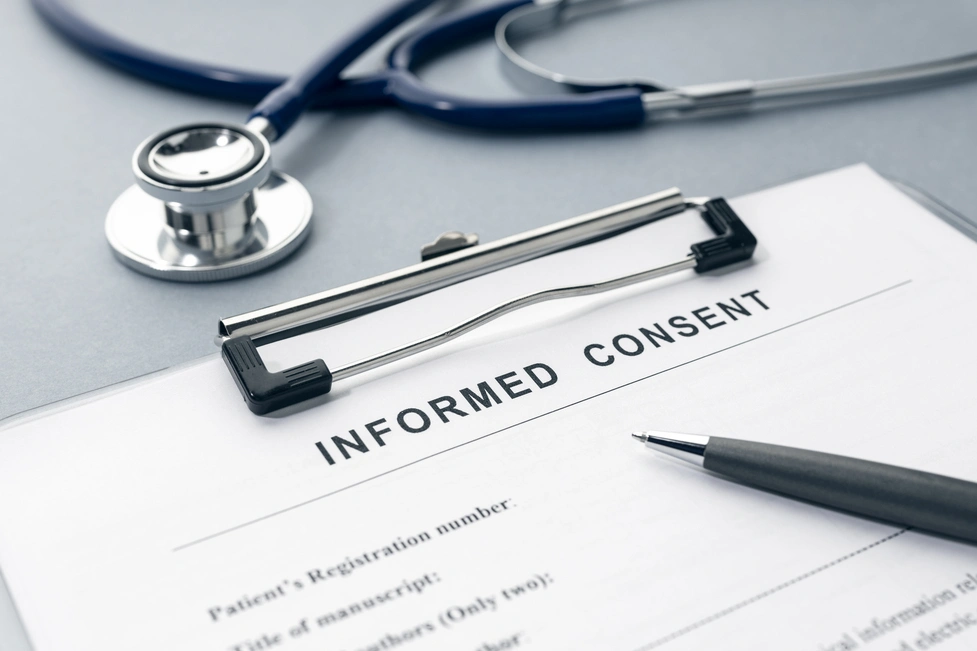
While organ donation serves public welfare, it must also respect individual rights and ethical considerations. In living donation, the donor’s health, consent, and voluntary participation are prioritized. In posthumous donation, family consent and respect for the deceased are essential. This balance ensures that public interest does not override personal and religious ethics.
Scholarly Perspectives
Classical jurists emphasized that laws and actions must benefit the community, particularly in matters affecting life and health. Contemporary scholars, including the Islamic Fiqh Academy, highlight that organ donation aligns with Maslahah, as it prevents harm and saves lives. Ethical oversight, medical evaluation, and consent protocols ensure that public interest is served responsibly.
Medical and Ethical Integration
Hospitals and organ donation programs incorporate Maslahah by creating transparent allocation systems, ensuring fairness, and minimizing risk. Digital registries, ethical review boards, and coordination with religious authorities help maintain compliance with both medical standards and Shariah principles. This integration ensures that public welfare and individual rights are harmoniously balanced.
Practical Examples
In a scenario where multiple patients require life-saving transplants, prioritizing donors through a regulated system maximizes societal benefit. For instance, a deceased donor’s organs can be distributed ethically to recipients, saving several lives. Similarly, living donations performed safely with informed consent contribute to both individual welfare and public health, reflecting Maslahah principles.
Conclusion
The principle of Maslahah emphasizes that medical ethics should prioritize public welfare while respecting individual rights. Organ donation exemplifies this balance by saving lives, promoting societal benefit, and adhering to Islamic ethical guidelines. By integrating Shariah principles, medical oversight, and ethical review, Muslims can participate in organ donation confidently, knowing that their actions serve both moral and public interests.