


Islamic Principles on Harm
One of the central tenets of Islamic law is the principle of removing harm (dar al-mafasid). The Prophet Muhammad (peace be upon him) said, “There should be neither harming nor reciprocating harm” (Hadith, Ibn Majah). This principle extends to medical ethics, guiding Muslims to alleviate suffering, prevent danger, and take proactive measures to save lives.
Medical Applications of Harm Reduction
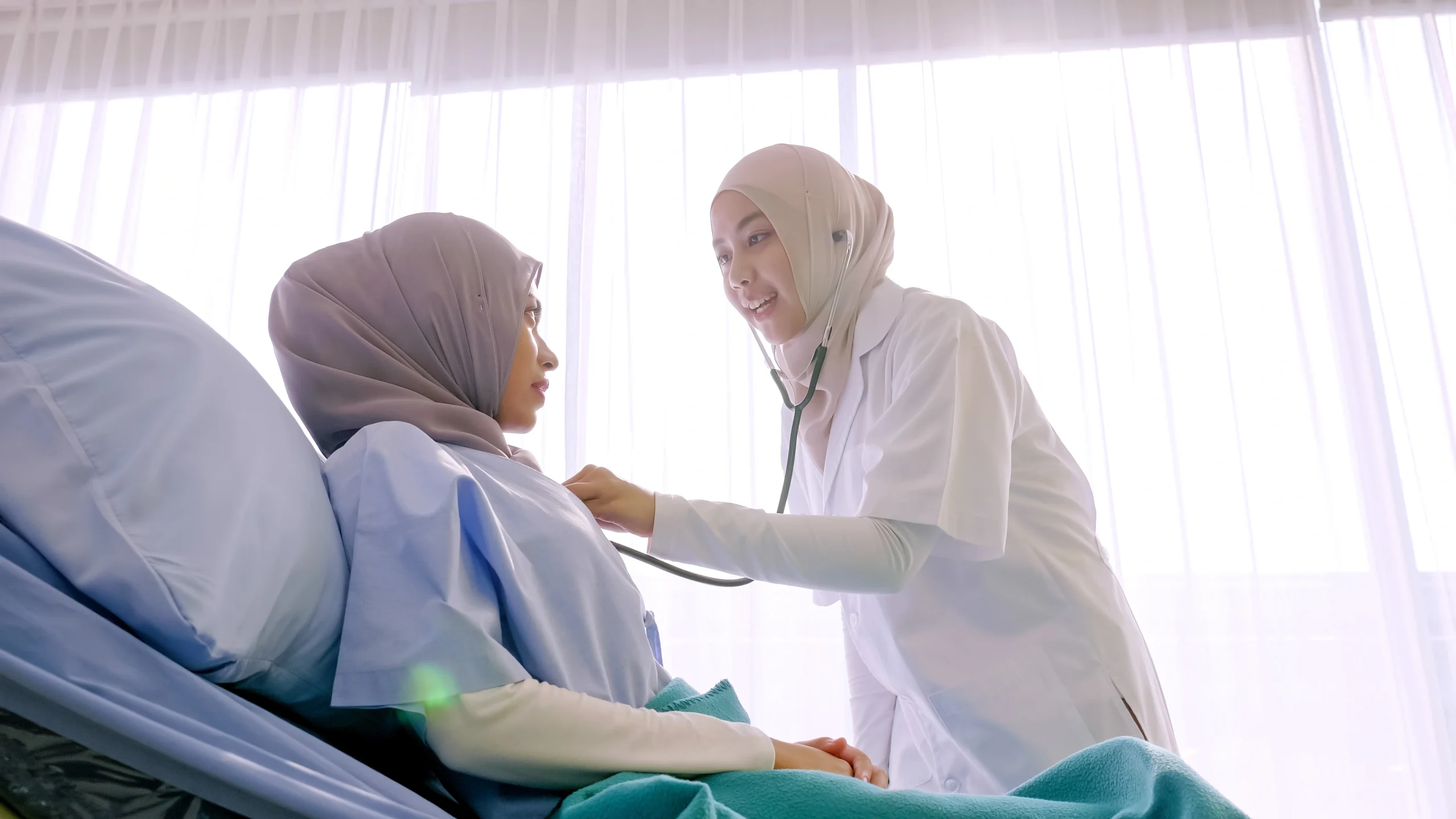
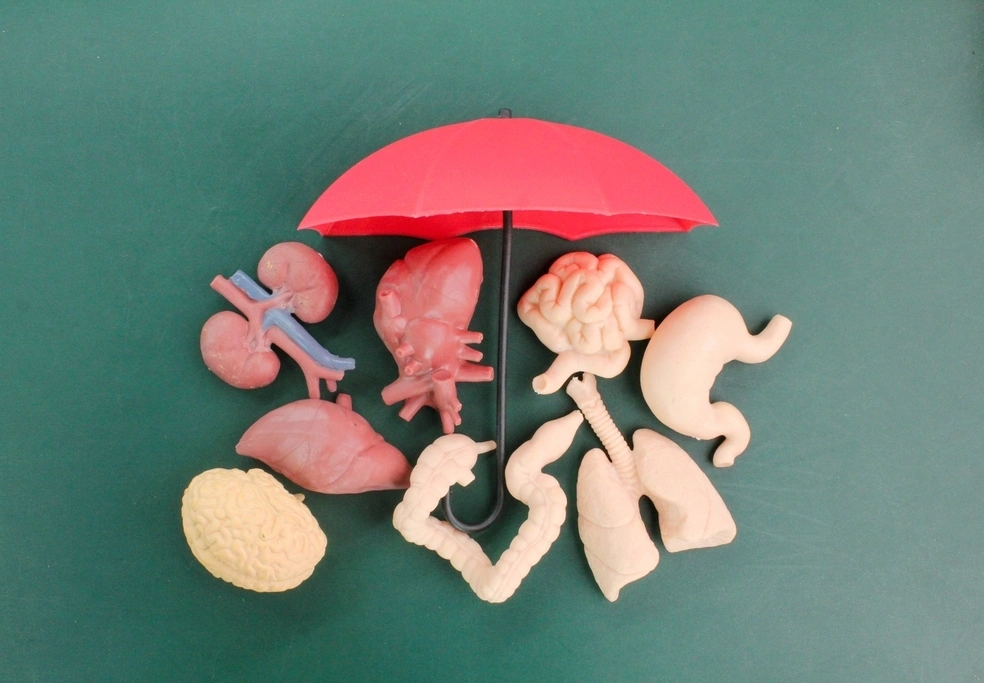
In modern medicine, removing harm includes interventions such as surgeries, medications, and organ transplants. When a patient faces organ failure, donating or receiving an organ directly mitigates harm by saving life or preventing severe complications. Islamic scholars affirm that such acts are ethically justified under the principle of harm removal. Institutions like the Islamic Fiqh Academy provide guidance on ensuring medical interventions comply with Shariah while minimizing risk.
Balancing Harm and Benefit
Islamic jurisprudence emphasizes weighing harm against benefit. Procedures that may involve minor bodily alteration are permissible if the benefit—such as saving a life—outweighs potential harm. This balance is critical in organ donation, where the donor’s health must be safeguarded, and the recipient’s survival depends on timely intervention. Ethical frameworks ensure that harm is minimized while fulfilling the moral imperative to save life.
Living Donors and Ethical Responsibility
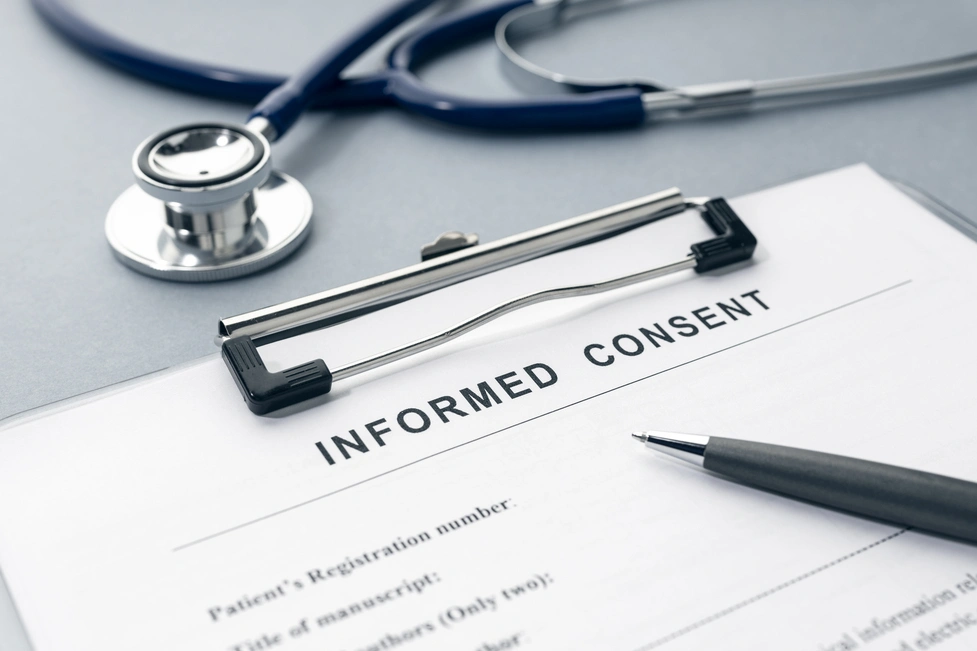
Living organ donors exemplify the careful application of harm reduction. They voluntarily undergo surgery to help others while ensuring their own well-being. Scholars stress the importance of informed consent, medical evaluation, and ethical oversight to maintain compliance with Islamic law. Resources like Sound Vision provide practical guidance for navigating these considerations responsibly.
Posthumous Organ Donation
For deceased donors, removing harm extends to ethical retrieval practices. Families must ensure proper consent, respectful handling, and adherence to medical protocols. The goal is to maximize life-saving benefit while upholding the dignity and sanctity of the deceased. Islamic rulings recognize that minimizing harm to the body is compatible with life-preserving interventions.
Community Awareness and Preventive Action
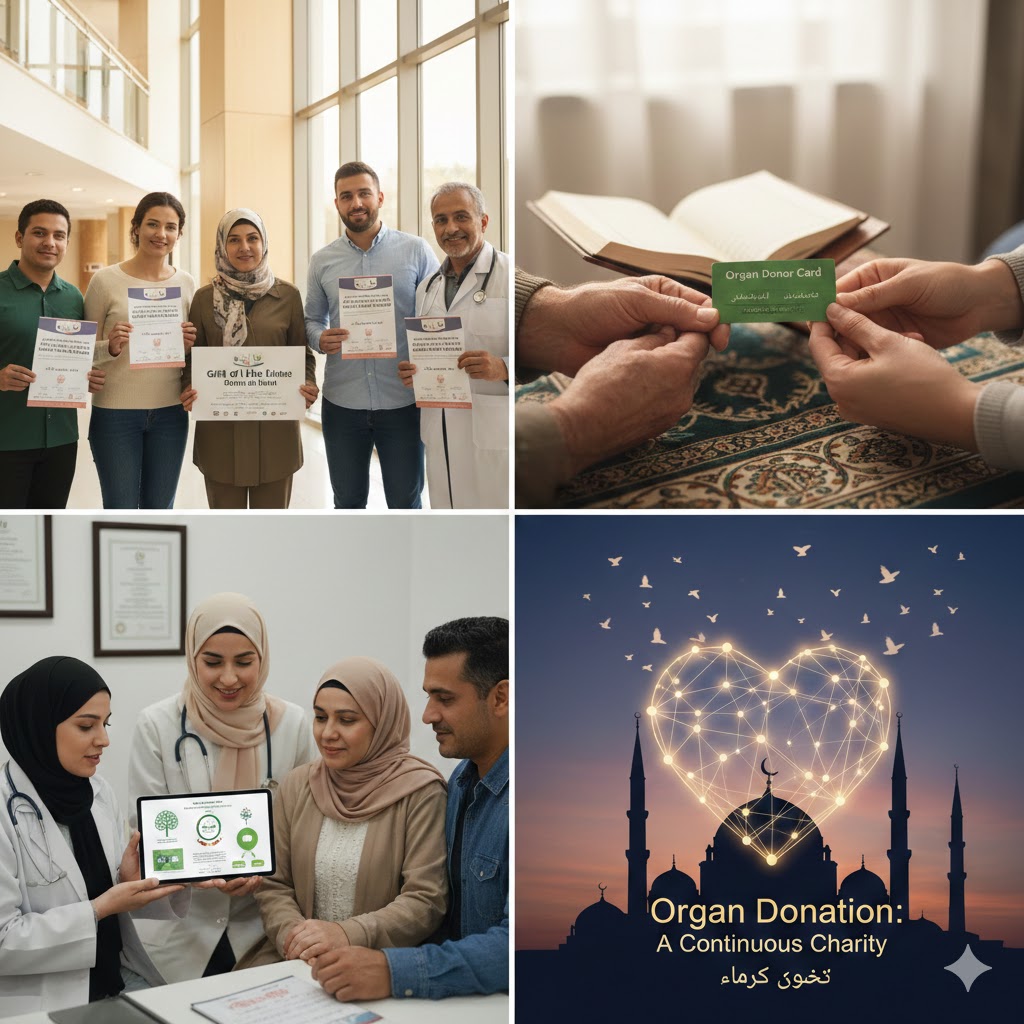
Educating communities about the importance of harm reduction in medical ethics is vital. Mosque seminars, school programs, and public campaigns help Muslims understand their responsibilities in preventing suffering and saving lives. These initiatives encourage ethical participation in organ donation and other medical procedures aligned with Shariah principles.
Conclusion
Removing harm is a foundational principle of Islamic jurisprudence that directly informs modern medical ethics. Organ donation, emergency interventions, and preventive care exemplify this principle, balancing the preservation of life with ethical treatment of the human body. By minimizing harm and maximizing benefit, Muslims fulfill a moral and religious duty, promoting compassion, justice, and the sanctity of life in accordance with Islamic teachings.