


Introduction to the Saudi Council of Senior Scholars
The Saudi Council of Senior Scholars is the highest religious authority in Saudi Arabia, responsible for issuing fatwas and guiding the Muslim community on complex ethical and religious issues. Organ donation has been a significant topic, requiring a careful balance between Shariah compliance and modern medical practice. The Council’s rulings are widely respected in the Gulf region and beyond.
Ruling on Organ Donation
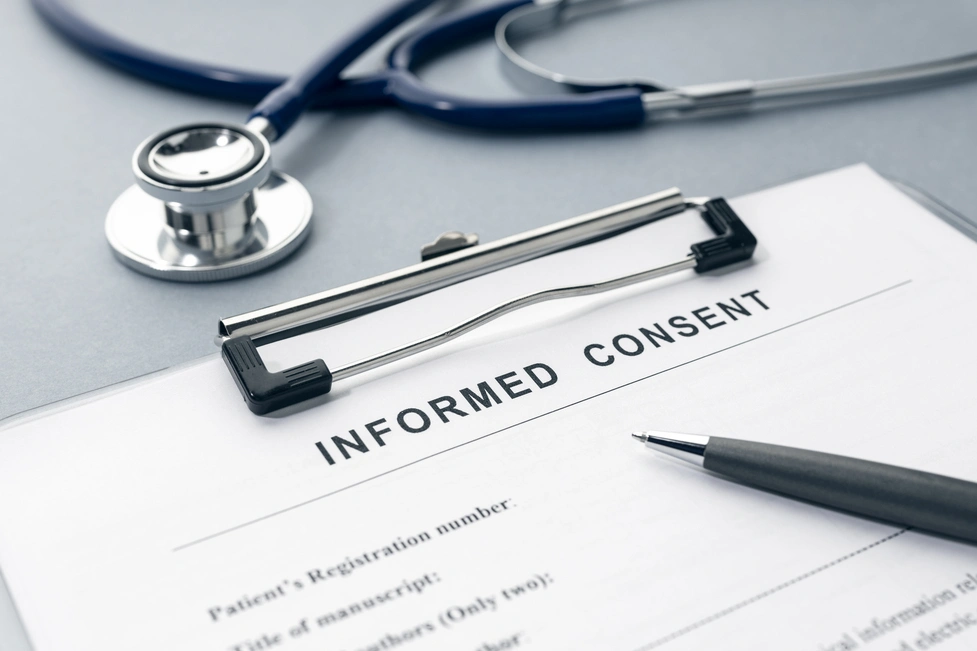
The Council permits organ donation under strict conditions. The primary requirement is that the act must save life or prevent serious harm. Both living and posthumous donations are allowed, provided there is informed consent from the donor or their family. This approach aligns with the Islamic principle of preserving life (hifz al-nafs), demonstrating that medical necessity can justify otherwise restricted actions.
Conditions for Ethical Practice
The Council emphasizes several key conditions: first, the donor’s health and safety must not be compromised; second, the dignity of the body must be respected; and third, the procedure must follow medically approved standards. These guidelines ensure that organ donation is carried out responsibly, ethically, and in accordance with Shariah principles. Families and practitioners are encouraged to consult the Council’s official rulings for clarity and guidance.
Brain Death and Organ Retrieval
The Saudi Council recognizes brain death as a legitimate criterion for posthumous organ donation, provided it is certified by qualified medical professionals. This ruling has facilitated organ transplant programs in the region, ensuring that life-saving interventions comply with both religious and medical standards. Resources such as Sound Vision provide further details on practical applications of these rulings.
Impact on the Muslim Community
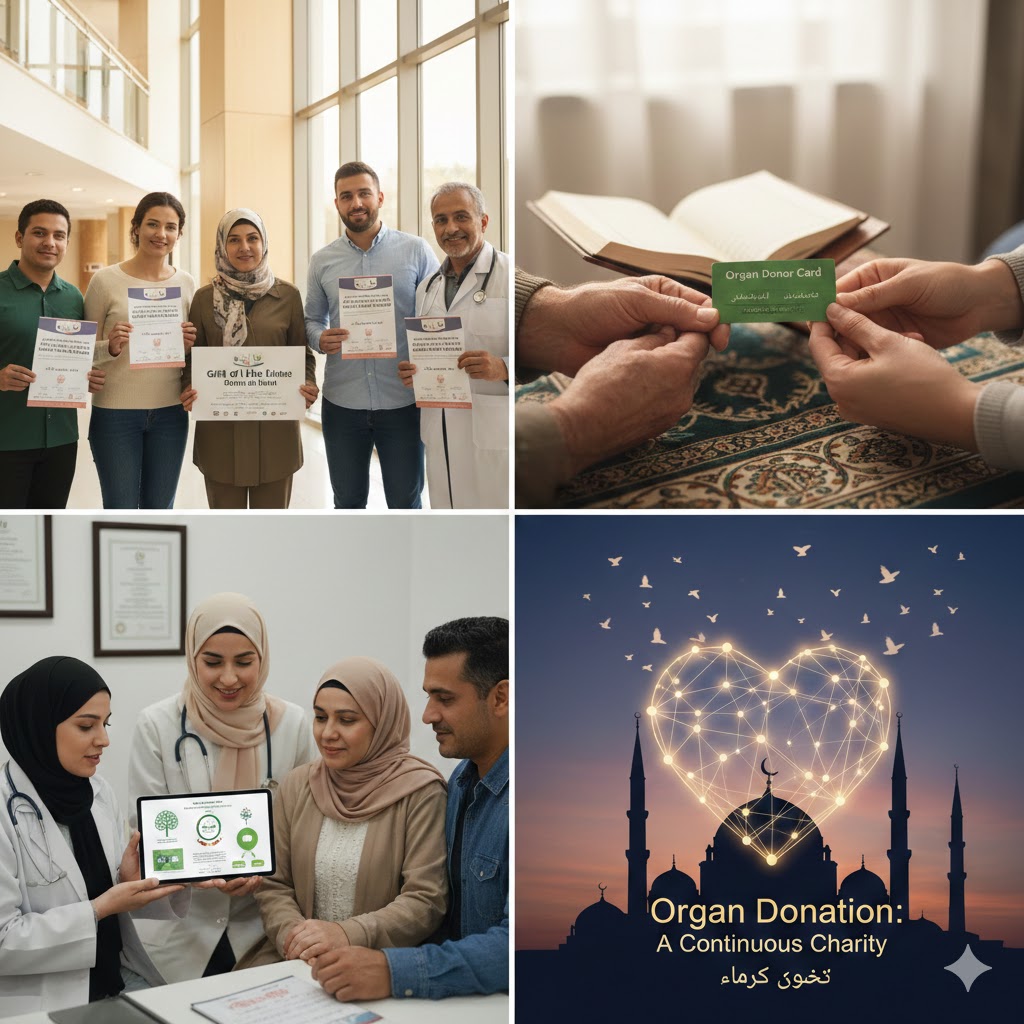
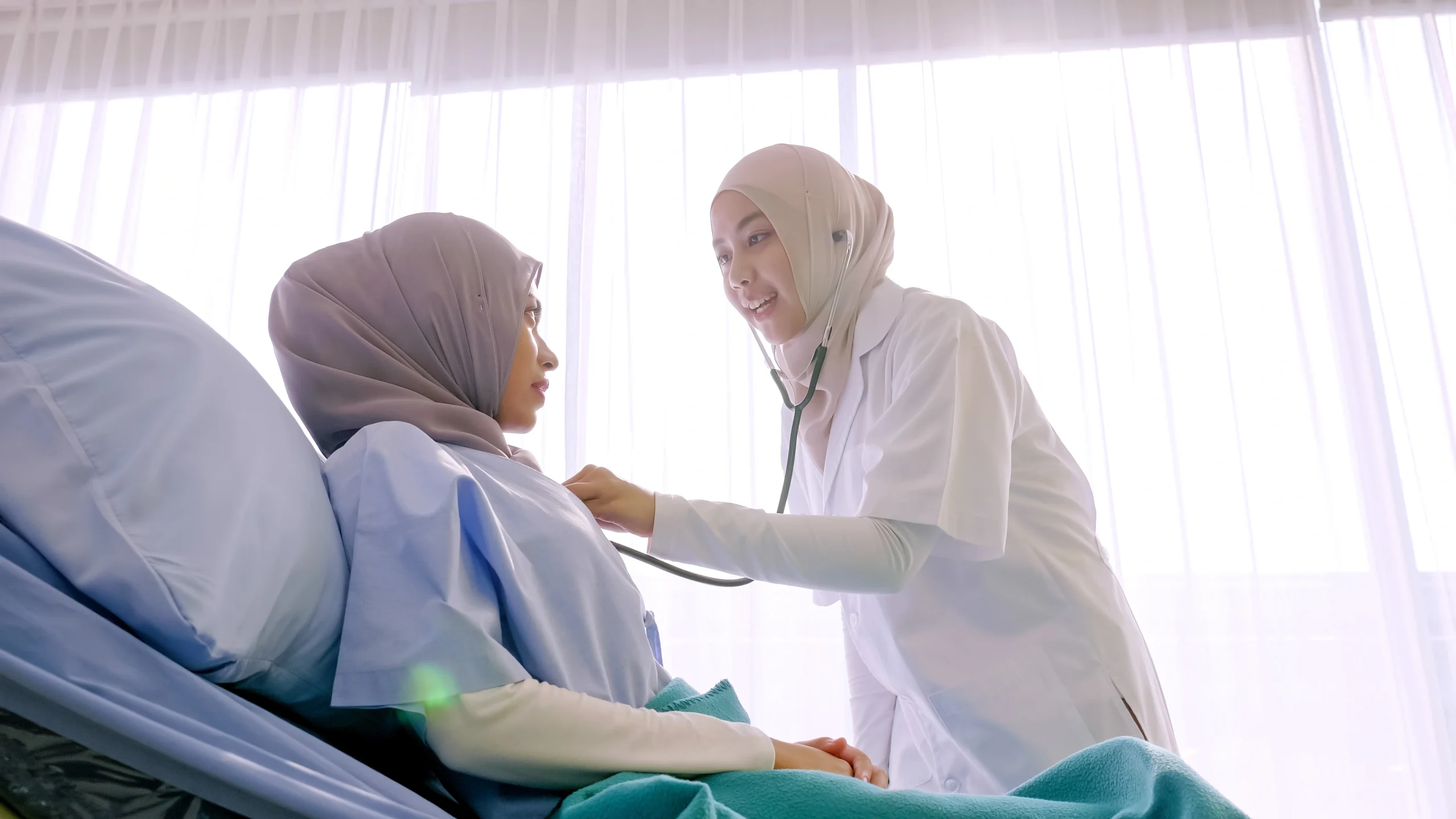
The Council’s rulings have had a significant impact on public awareness and participation in organ donation programs. Hospitals, religious institutions, and educational campaigns rely on these fatwas to guide ethical practice. By clarifying the permissibility and conditions for donation, the Council has helped Muslim communities reconcile religious values with the need for life-saving medical interventions.
Promoting Awareness and Education
In addition to issuing rulings, the Council encourages educational efforts to inform families about the ethical, legal, and medical aspects of organ donation. Community workshops, mosque programs, and online resources provide practical guidance, helping Muslims navigate decisions confidently. These initiatives reinforce that organ donation is an act of mercy, compassion, and ethical responsibility.
Conclusion
The Saudi Council of Senior Scholars provides authoritative guidance on organ donation, balancing Shariah compliance with modern medical needs. Its rulings ensure that Muslims can participate in life-saving interventions ethically and responsibly. By promoting awareness, education, and ethical practice, the Council demonstrates how faith and medical science can work together to preserve life, uphold dignity, and benefit society.