




The Need for Scholarly Guidance
Many Muslims are uncertain about the permissibility of organ donation due to the complexity of medical procedures and ethical considerations. Islamic scholars play a crucial role in clarifying rulings based on the Quran, Hadith, and principles of Shariah. Their guidance ensures that decisions are grounded in religious legitimacy rather than personal opinion or misunderstanding.
Foundational Quranic Principles
The Quran emphasizes saving life and preventing harm as key objectives of Islamic law. Verses such as “Do not kill yourselves, surely Allah is Most Merciful to you” (Surah An-Nisa 4:29) and “Whoever saves a life, it is as if he has saved all of humanity” (Surah Al-Ma’idah 5:32) provide strong scriptural support for organ donation when it serves a clear life-saving purpose.
Consensus Among Contemporary Scholars
Many contemporary scholars agree that organ donation is permissible under strict ethical and medical conditions. Institutions like the Islamic Fiqh Academy and Al-Azhar University have issued rulings confirming that both living and posthumous donation are allowed, provided consent is voluntary, the donor is not harmed, and no financial exploitation occurs. This consensus helps address common misconceptions that organ donation is universally haram.
Living Donation Guidelines
For living donors, scholars clarify that donating non-vital organs such as a kidney or a portion of the liver is permissible if medical experts confirm that it will not endanger the donor’s life. The act must be voluntary and altruistic. Any donation motivated by coercion, financial gain, or negligence is prohibited. Proper medical evaluation ensures donor safety, aligning the procedure with Shariah objectives.
Posthumous Donation Guidelines
Posthumous organ donation requires documented consent from the deceased or family permission. Scholars emphasize that ethical safeguards, including minimal harm to the body and verification of intent, are necessary. When these conditions are met, donation is not only permissible but encouraged as an act of charity and compassion. Misconceptions often arise when people assume that all posthumous procedures violate the sanctity of the body, which contemporary scholarship has clarified.
Distinguishing Between Permissible and Prohibited Acts
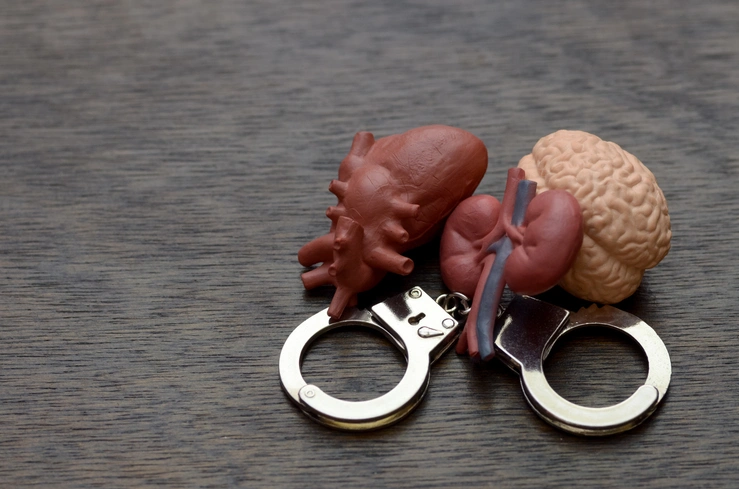
Scholarly clarification also distinguishes between donation for life-saving purposes and organ trade. While donation is commendable, selling organs is strictly prohibited due to the risk of exploitation and injustice (Surah An-Nisa 4:29). Scholars stress that intention (niyyah) is critical; a donation performed to genuinely save lives is rewarded, whereas profit-driven actions are forbidden.
Addressing Misconceptions in the Community
Many misconceptions persist because the public is unaware of these scholarly positions. Religious education, fatwas, and guidance from trusted Islamic authorities help correct misunderstandings. By relying on recognized scholars, Muslims can confidently participate in life-saving organ donation without fearing they are committing haram acts.
Spiritual Benefits and Ethical Responsibility
Scholars highlight that beyond the legal permissibility, organ donation carries spiritual benefits. Donors, whether living or deceased, can achieve rewards akin to ongoing charity (sadaqah jariyah). Ethical adherence ensures that the act embodies both spiritual and social responsibility, reflecting the comprehensive approach of Islamic ethics.
Conclusion
Scholarly clarifications provide clear guidance that organ donation is permissible when ethical, medical, and religious conditions are met. By following established rulings, Muslims can participate in life-saving acts with confidence, while avoiding misunderstandings or unintentional violations of Shariah. Scholarly consensus helps bridge the gap between modern medical practices and traditional Islamic ethics.