


Understanding Ijtihad in Shia Tradition
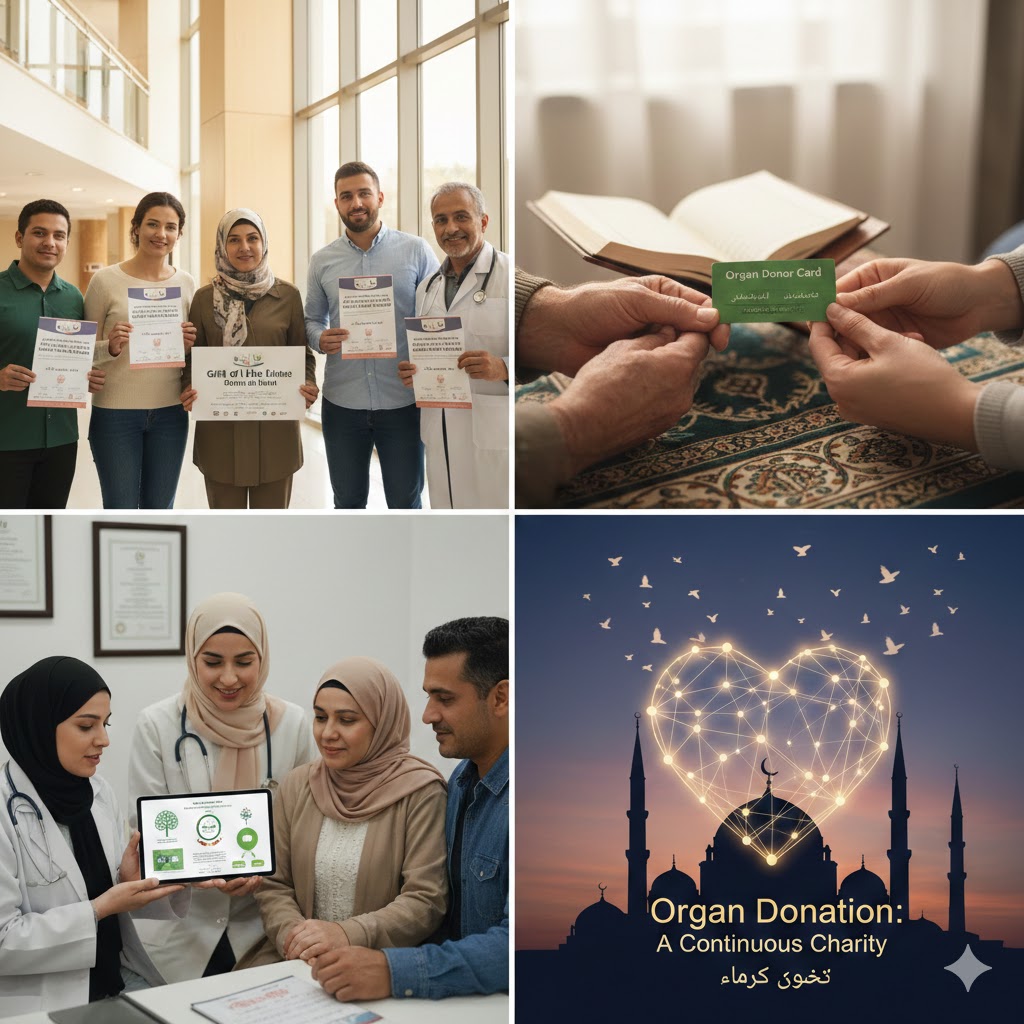
Ijtihad, the process of independent juristic reasoning, plays a central role in Shia Islam. Through ijtihad, qualified scholars derive rulings for new circumstances not explicitly addressed in primary texts. Organ transplantation represents one such contemporary issue requiring thoughtful legal interpretation.
Application to Organ Donation
Since organ transplantation did not exist in early Islamic history, scholars apply foundational principles such as preservation of life and prevention of harm. The Quranic guidance on saving lives (Surah Al-Ma’idah 5:32) informs these rulings. Through ijtihad, scholars reconcile traditional doctrines with modern medical capabilities.
Balancing Harm and Benefit
A key jurisprudential principle is weighing harm against benefit. If organ donation significantly benefits a recipient and does not cause disproportionate harm to the donor, permissibility may be established. Living donation undergoes stricter scrutiny to ensure donor safety.
Scholarly Consensus and Diversity
While many contemporary Shia scholars permit organ donation under conditions, diversity of opinion exists. This diversity reflects the dynamic nature of ijtihad. Institutions such as the Imam Khomeini Portal document scholarly positions that have shaped bioethical discourse in Shia communities.
Adapting to Medical Advancements
As medical technology advances, scholars revisit earlier rulings to ensure continued relevance. Developments in artificial organs, stem cell therapy, and genetic science may influence future interpretations. Ijtihad ensures that Islamic law remains responsive rather than static.
Conclusion
Ijtihad enables Shia scholars to navigate complex medical issues with intellectual rigor and ethical sensitivity. Through principled reasoning, organ donation has been addressed within a framework that respects tradition while embracing scientific progress. This method underscores the adaptability of Shia jurisprudence in modern bioethics.