



Organ Donation in the UAE
The United Arab Emirates has developed a comprehensive organ transplantation system that integrates modern medical practices with Islamic principles. Regulations emphasize ethical standards, voluntary consent, and Shariah compliance to ensure that organ donation respects both life and religious values.
Legal Framework and Government Oversight
The UAE Ministry of Health regulates organ transplantation, ensuring hospitals adhere to strict guidelines. Key elements include:
- Voluntary consent from living donors or families of deceased donors.
- Verification of medical necessity and suitability for transplantation.
- Strict prohibition of organ trading and exploitation.
- Compliance with ethical and religious guidelines.
These regulations provide legal protection for both donors and recipients while maintaining public trust in the system.
Shariah Compliance and Religious Guidance
Islamic scholars in the UAE have clarified that organ donation is permissible when it aligns with the objectives of Shariah, particularly saving life (Surah Al-Ma’idah 5:32). Religious oversight ensures that procedures do not violate principles of bodily integrity and are ethically performed. Fatwas support both living and posthumous donations under strict conditions.
Living Organ Donation
Living donation, especially kidney and partial liver transplantation, is allowed if the donor is medically cleared and fully consents. Hospitals in the UAE implement rigorous screening and surgical protocols to ensure donor safety, reflecting Islamic ethical standards and international medical practices.
Posthumous Organ Donation
Deceased organ donation requires prior consent or family approval. Hospitals coordinate carefully to preserve the dignity of the deceased, ensuring ethical handling. Islamic scholars emphasize that posthumous donation is permissible when it saves lives and is conducted respectfully.
Technological Integration and Efficiency
The UAE utilizes digital registries and automated tracking systems to manage organ allocation efficiently. These systems ensure transparency, fairness, and timely transplantation. Integration of technology also reduces administrative errors, streamlines consent verification, and facilitates communication with religious authorities for Shariah compliance.
Public Awareness and Education
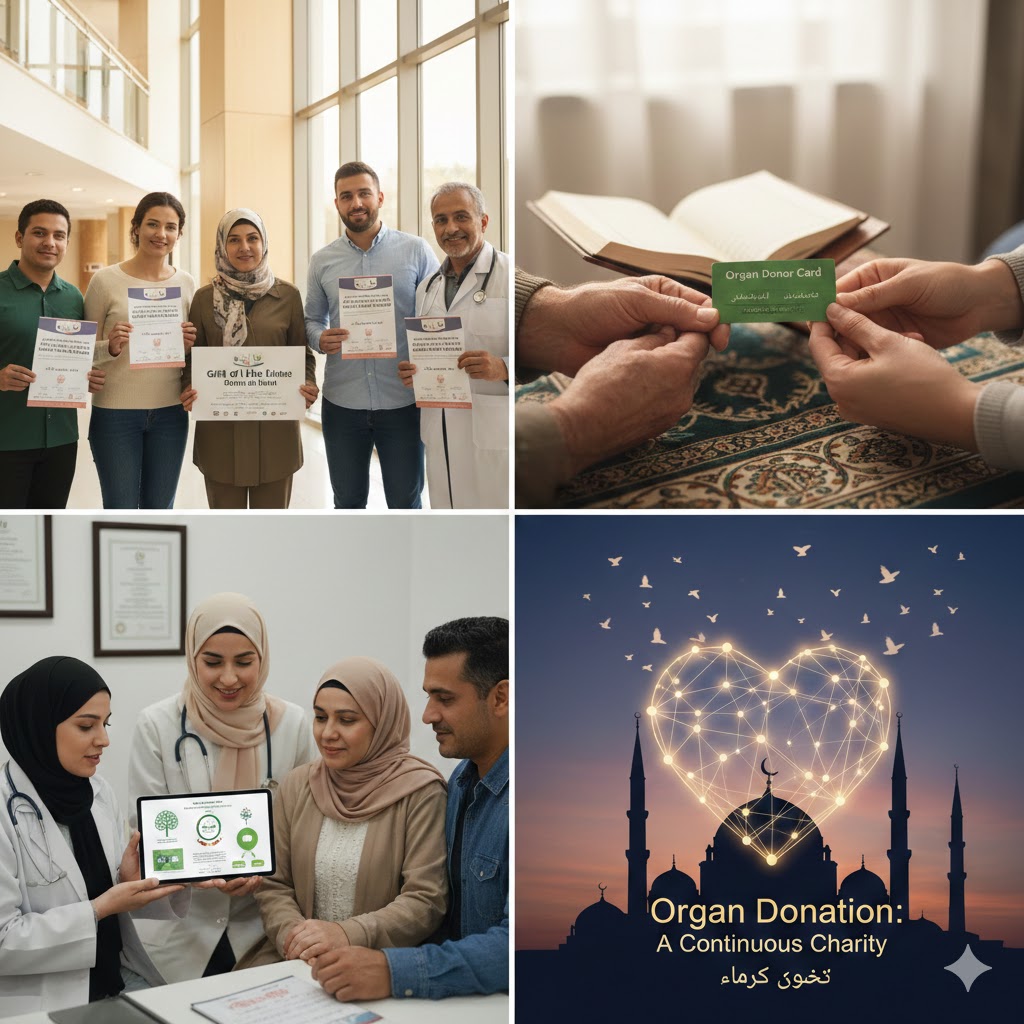
Awareness campaigns in mosques, universities, and media platforms help dispel misconceptions about organ donation. Community education emphasizes the ethical and religious permissibility, encouraging participation while addressing fears about bodily integrity or afterlife concerns.
Conclusion
The UAE has created a robust organ donation framework that harmonizes modern medical practices with Islamic principles. Voluntary consent, medical oversight, and religious guidance ensure that both living and posthumous donations are permissible and ethically sound. Through education and regulated processes, Muslims in the UAE can confidently contribute to life-saving organ donation, reflecting compassion, ethics, and faith.