


The Role of Hadith in Islamic Rulings
Hadith, the sayings and practices of the Prophet Muhammad (peace be upon him), provide detailed guidance on ethical, social, and medical matters. Misinterpretations of Hadith can lead to confusion about whether certain modern practices, such as organ donation, are permissible. Scholars carefully analyze the context, authenticity, and applicability of Hadith before issuing rulings.
Common Misunderstandings About Bodily Sanctity
Some individuals cite Hadith emphasizing the sanctity of the human body to argue against organ donation. While the Prophet prohibited mutilation of the dead, scholars clarify that the context involved unnecessary harm or disrespect, not medical procedures intended to save lives. Organ donation performed with consent and care does not fall under this prohibition.
Misinterpretation of Prohibition vs. Recommendation
Certain Hadith describe the importance of preserving life and avoiding self-harm. Some mistakenly interpret these texts as forbidding organ donation, fearing that altering the body posthumously or surgically may violate divine commands. Contemporary scholarship clarifies that these Hadith aim to prevent abuse or harm, not life-saving interventions approved by medical experts (Surah Al-Ma’idah 5:32).
Contextual Analysis by Scholars
Islamic jurists emphasize context when interpreting Hadith. Statements about bodily sanctity are considered in light of necessity (darura) and public interest (maslahah). Organ donation fulfills a clear public benefit by saving lives, and scholars argue that this overrides literal interpretations that would otherwise prohibit posthumous or living donation.
Role of Authenticity in Misinterpretations
Not all Hadith are of equal authority. Weak or isolated reports are sometimes cited incorrectly to claim organ donation is haram. Scholars rely on authentic (sahih) Hadith and corroborated narratives before making ethical or legal judgments. This careful methodology prevents misapplication of prophetic guidance.
Living Donation Clarifications
For living donors, Hadith concerning bodily harm are interpreted alongside the principle of minimizing risk. Donors are not permitted to endanger themselves, but when medical experts confirm safety, donating a kidney or other organ is ethically acceptable. Scholars clarify that voluntary altruism is encouraged when it saves lives without excessive risk.
Fatwas and Contemporary Interpretations
Recognized Islamic institutions such as the Islamic Fiqh Academy and Al-Azhar issue fatwas that reinterpret classical texts in light of modern medicine. These rulings emphasize that previous prohibitions were contextual and that organ donation aligns with Shariah objectives when conducted ethically.
Educational Importance
Correcting misconceptions requires religious education and public awareness. Scholars encourage Muslims to consult credible sources, understand the context of Hadith, and follow expert guidance in bioethical matters. Misinterpretation can be harmful, deterring life-saving practices that Islam ethically supports.
Conclusion
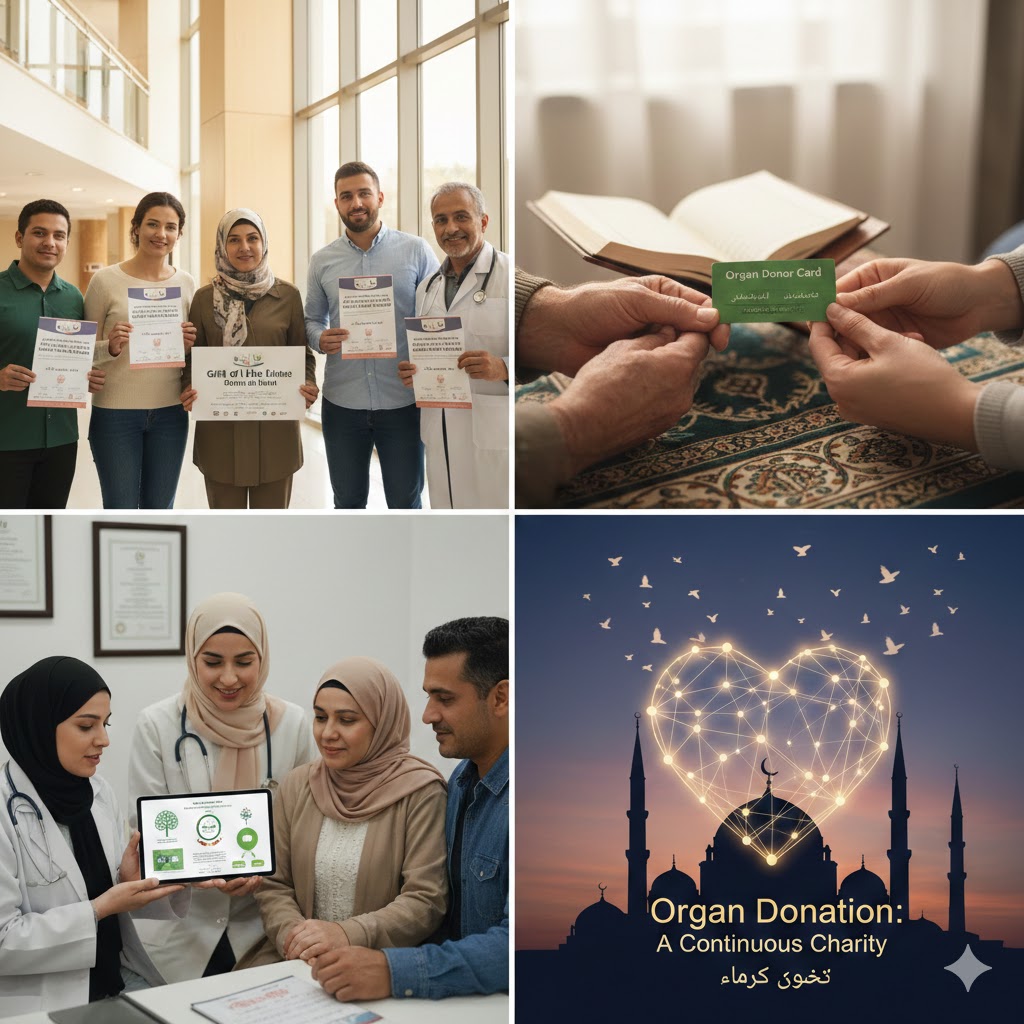
Many misconceptions about organ donation arise from misinterpreting Hadith out of context or relying on weak reports. Islamic scholars have clarified that ethical, consent-based organ donation does not violate the sanctity of the body and is in fact a meritorious act. By following authenticated interpretations and scholarly guidance, Muslims can engage in organ donation confidently, balancing religious principles with life-saving compassion.