




Understanding the Medical Definition of Brain Death
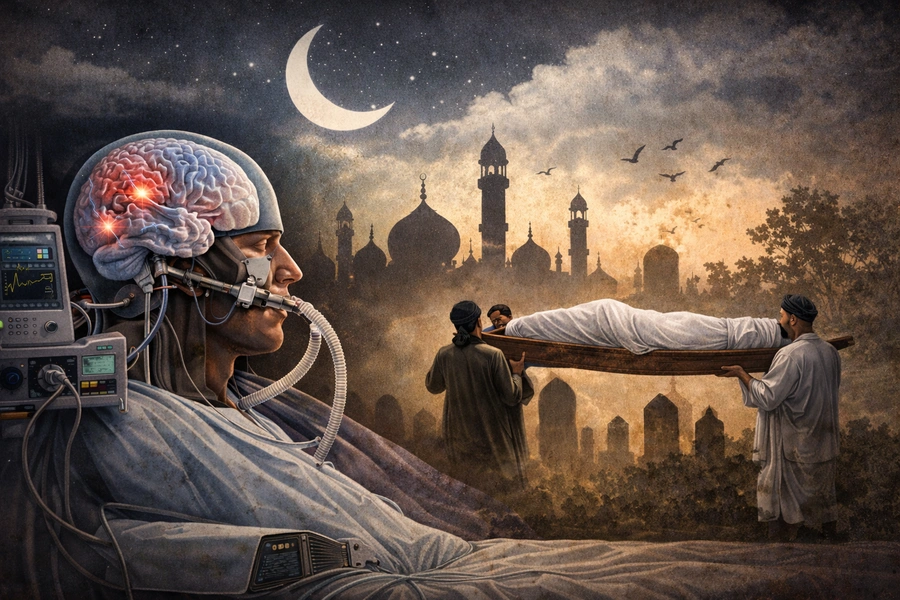
Brain death is a clinical and legal determination of death based on the irreversible cessation of all brain activity, including the brainstem. Unlike coma or vegetative states, brain death is permanent and cannot be reversed. In medical science, this diagnosis means that the individual has permanently lost the capacity for consciousness and the ability to breathe independently.
Difference Between Coma and Brain Death
It is important to distinguish brain death from other neurological conditions. A coma is a state of deep unconsciousness where brain activity is still present, and recovery may be possible. Similarly, patients in a vegetative state may retain some brainstem functions. Brain death, however, indicates total and irreversible loss of all brain functions. There is no potential for recovery once it has been properly diagnosed.
Clinical Criteria for Determination
Medical professionals follow strict protocols before declaring brain death. These include confirming the cause of injury, ruling out reversible conditions such as drug intoxication or hypothermia, and conducting neurological examinations. Physicians test for absence of brainstem reflexes, lack of response to pain, and inability to breathe independently during an apnea test. In some cases, additional imaging studies confirm the absence of blood flow to the brain.
Legal Recognition in Modern Healthcare
Many countries legally recognize brain death as equivalent to cardiopulmonary death. Once declared, the person is legally considered deceased, even if machines maintain heartbeat and respiration. This legal framework supports ethical decision-making regarding withdrawal of life support and potential organ donation.
Why Brain Death Matters in Transplant Medicine
Brain death plays a significant role in organ transplantation. When organs are maintained with artificial support after brain death, they remain viable for recipients in critical need. The medical recognition of brain death has therefore become central to modern transplant systems.
Intersection With Islamic Ethical Discussions
The concept of brain death has generated discussion among Islamic scholars because traditional definitions of death were based on the cessation of heartbeat and breathing. Contemporary scholars analyze whether irreversible brain failure fulfills the Islamic criteria of death. The Quran emphasizes the sanctity of life and the seriousness of death (Surah Al-Mu’minun 23:99-100), leading jurists to carefully evaluate medical evidence before issuing rulings.
Medical Certainty and Ethical Responsibility
Islamic legal deliberations often require certainty (yaqin) in matters of life and death. For this reason, scholars who consider brain death valid stress the necessity of strict medical verification. Any doubt must be resolved before life support is withdrawn or organs are retrieved.
Conclusion
Brain death in medical science represents the complete and irreversible loss of all brain function. It differs fundamentally from coma or temporary unconsciousness. Its recognition has profound legal and ethical implications, particularly in transplant medicine. As medical knowledge advances, Islamic scholars continue to assess brain death carefully, ensuring that rulings align with both scientific certainty and the sanctity of human life.