




Scholarly Support for Organ Donation
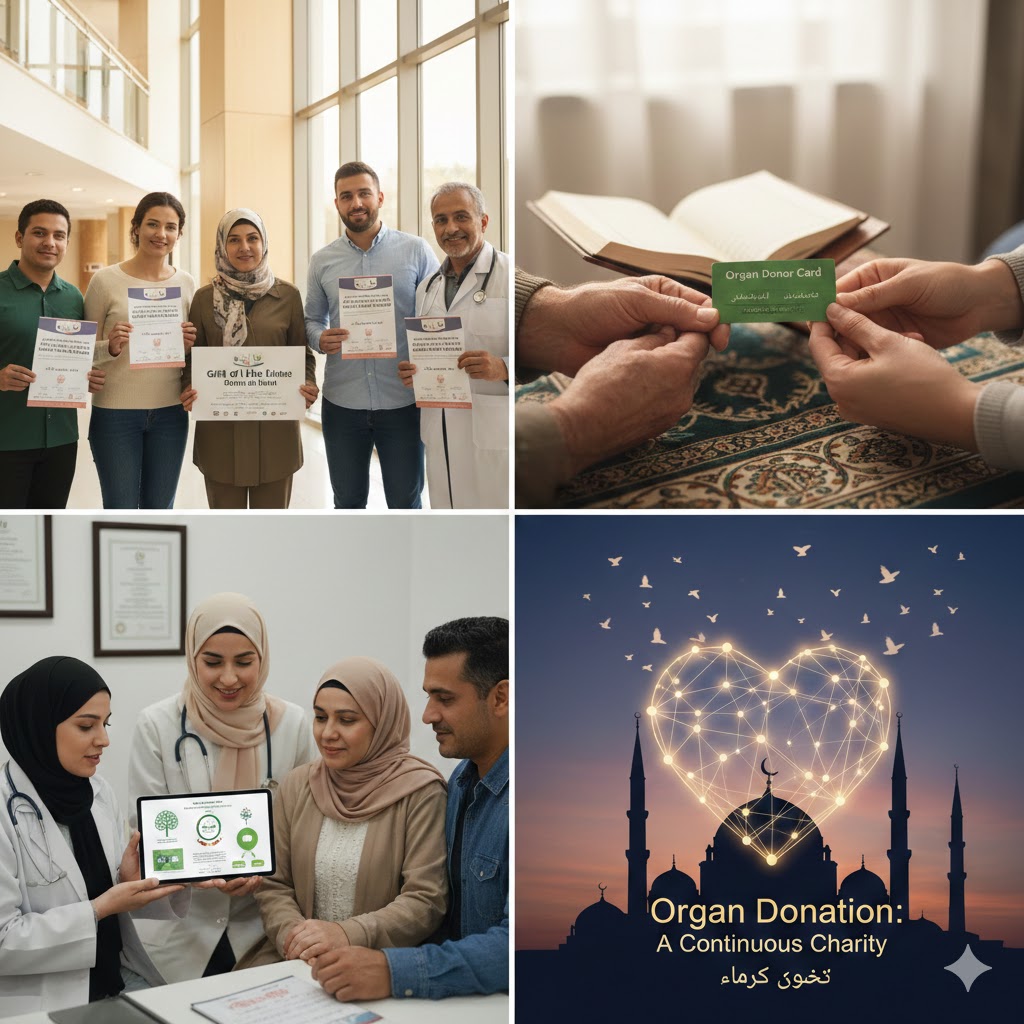
Over the past few decades, Islamic scholars have increasingly addressed the permissibility of organ donation. The consensus among many contemporary jurists is that organ donation is allowed under strict ethical and medical conditions. Their reasoning is grounded in the core objectives of Shariah, particularly the preservation of human life, which outweighs other concerns when handled responsibly.
Preservation of Life as a Primary Objective
Islamic law prioritizes the protection of life. The Quran explicitly states: “Whoever saves a life, it is as if he has saved all of humanity” (Surah Al-Ma’idah 5:32). Many scholars interpret this verse as providing religious justification for life-saving interventions, including organ transplantation. Saving a life is considered a noble act, reflecting Islamic compassion and social responsibility.
Ethical Guidelines Reinforce Permissibility
Scholars emphasize that organ donation is permissible only when ethical safeguards are in place. These include:
- Voluntary consent from the donor or family.
- Minimization of harm to living donors.
- Prohibition of organ trade or commercial exploitation.
- Verification of medical necessity for the recipient.
When these conditions are met, the donation aligns with Shariah principles and avoids conflicts with classical teachings on bodily integrity.
Fatwas From Major Islamic Institutions
Institutions such as the Islamic Fiqh Academy and Al-Azhar have issued fatwas explicitly permitting organ donation under regulated conditions. They stress that the intention behind donation, proper medical verification, and adherence to ethical standards are essential. These fatwas provide authoritative guidance, reassuring Muslims that organ donation is religiously acceptable.
Living and Posthumous Donation
Both living and posthumous organ donations are addressed by scholars. Living donation is permitted if it does not endanger the donor’s health, while posthumous donation requires prior consent or family permission. In both cases, the ethical objective is saving lives while maintaining dignity and minimizing harm. This demonstrates a nuanced understanding of modern medical realities in light of Islamic ethics.
Intention and Spiritual Reward
Many scholars emphasize the role of intention (niyyah) in ethical evaluation. Organ donation performed sincerely to save lives is seen as a form of charity (sadaqah) with potential spiritual reward. This highlights the dual benefit of the act: it saves lives while fulfilling a morally commendable, spiritually rewarding purpose.
Addressing Misconceptions
Misunderstandings persist due to fears about bodily integrity, death, or misinterpreted Hadith. Scholars clarify that organ donation, when properly regulated, does not violate Islamic principles. Education campaigns, religious guidance, and fatwas are crucial to dispelling myths and encouraging life-saving practices within Muslim communities.
Conclusion
Many scholars allow organ donation because it fulfills the Islamic imperative of preserving life, aligns with ethical principles, and provides significant spiritual and social benefits. By following clear guidelines on consent, safety, and intention, Muslims can engage in organ donation confidently, knowing it is both permissible and morally commendable. Properly regulated organ donation exemplifies the harmony of faith, compassion, and contemporary medical ethics.