



Concerns About Resurrection
Some Muslims worry that organ donation may affect resurrection on the Day of Judgment. The fear is that if a part of the body is donated or removed, the donor might be resurrected incomplete. This concern, while emotionally understandable, is based on misconceptions about Islamic eschatology and divine power.
Islamic Belief in God’s Power
In Islam, Allah is all-powerful and capable of restoring bodies perfectly on the Day of Judgment. The Quran emphasizes: “Do they not see that Allah, who created the heavens and the earth, is able to create the like of them?” (Surah Ya-Sin 36:81). This demonstrates that human limitations, such as missing organs, do not hinder Allah’s ability to resurrect a person completely.
Misconceptions About Physical Completeness
Fears about being resurrected incomplete often arise from a literal understanding of the physical body. Scholars clarify that resurrection is a divine act, not constrained by medical realities. The removal or donation of organs does not compromise the spiritual or physical completeness of the individual, as Allah can recreate the body in its entirety.
Scholarly Clarifications
Islamic scholars have repeatedly addressed these concerns. Leading juristic bodies, including the Islamic Fiqh Academy, affirm that organ donation does not affect resurrection. Donation is a permissible and commendable act when conducted ethically, and divine restoration ensures that the donor will be whole in the hereafter.
Living vs. Posthumous Donation
For living donors, the concern is largely psychological. Scholars assure that voluntary donation of a kidney, part of the liver, or other organs does not impact spiritual or eternal integrity. Posthumous donation, likewise, is permissible with prior consent or family approval. Both forms are compatible with resurrection principles because divine creation is not limited by human interventions.
The Role of Intention (Niyyah)
Intention is central in Islam. When organs are donated sincerely to save lives, the act is considered charitable and rewarded by Allah. Spiritual intentions reinforce that donation aligns with moral and religious obligations, mitigating any concerns about negative consequences in the afterlife.
Balancing Faith and Science
Modern medicine enables organ transplantation, but some may worry it conflicts with religious beliefs. Scholars emphasize that faith and science complement each other: medical intervention saves lives, while trust in Allah ensures resurrection. Understanding this balance alleviates fears and encourages informed, responsible donation.
Public Education and Religious Guidance
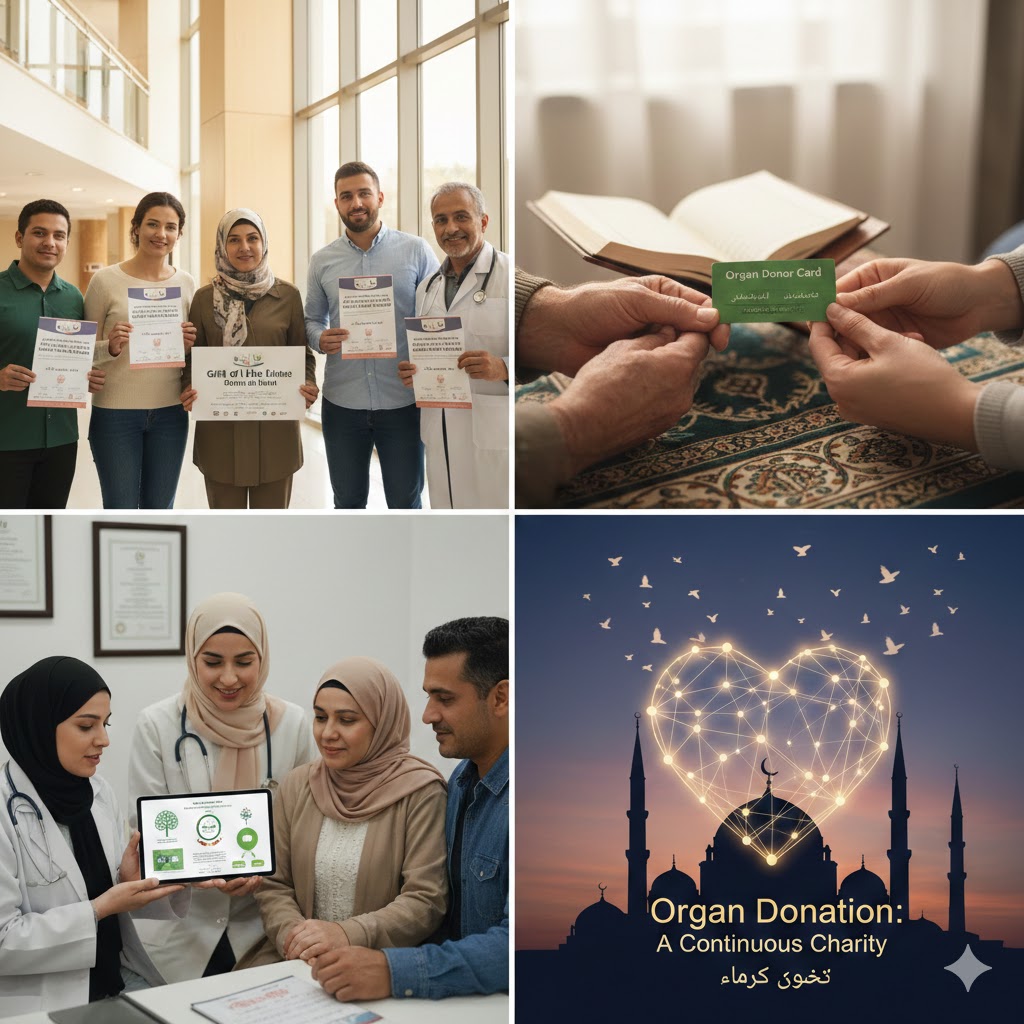
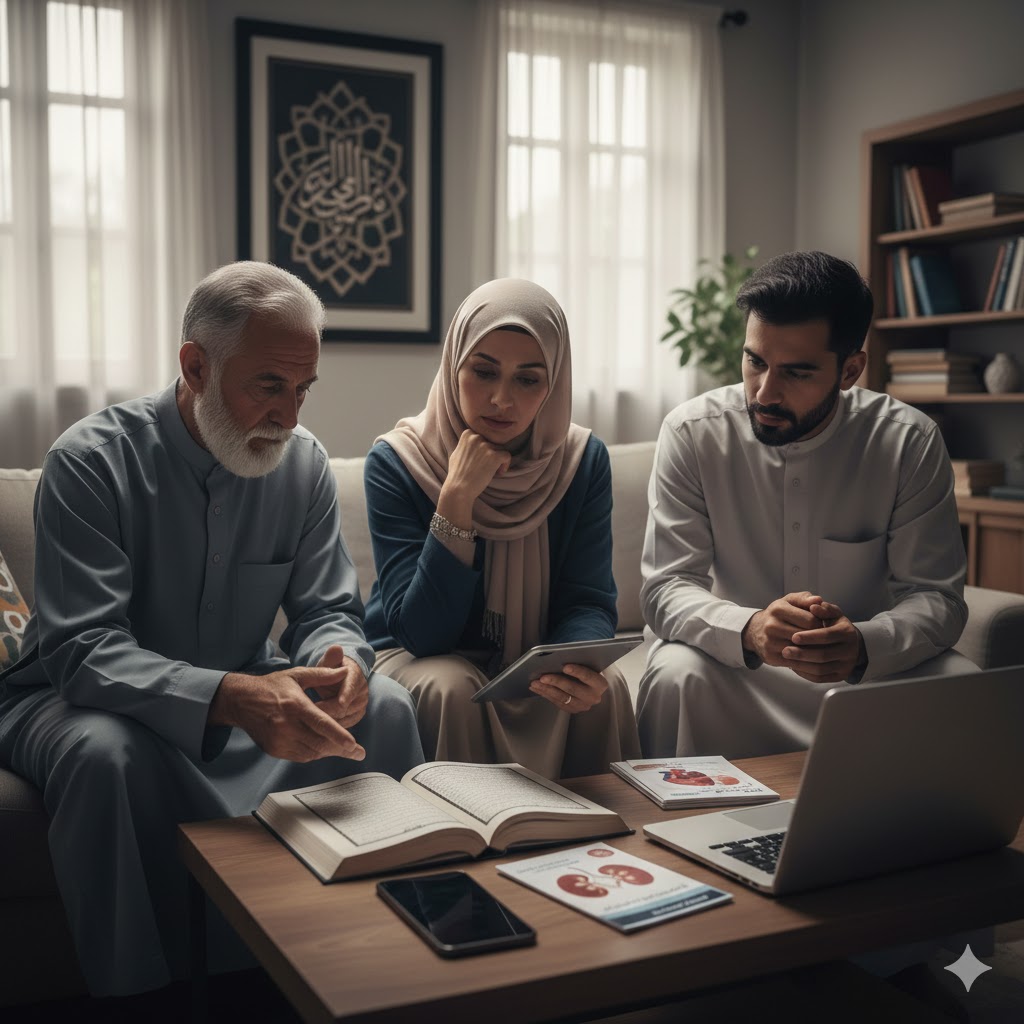
Educating communities about the theological and ethical perspectives on organ donation is essential. Religious leaders, scholars, and healthcare professionals can collaborate to dispel myths, explaining that organ donation does not interfere with resurrection, aligns with Shariah, and is a morally commendable act.
Conclusion
Concerns about being resurrected incomplete are based on misunderstanding of divine power. Islamic belief holds that Allah can perfectly restore the human body on the Day of Judgment. Ethical organ donation, whether living or posthumous, does not compromise resurrection. With proper intention, consent, and adherence to Shariah, Muslims can participate in life-saving organ donation confidently, combining faith, compassion, and spiritual responsibility.