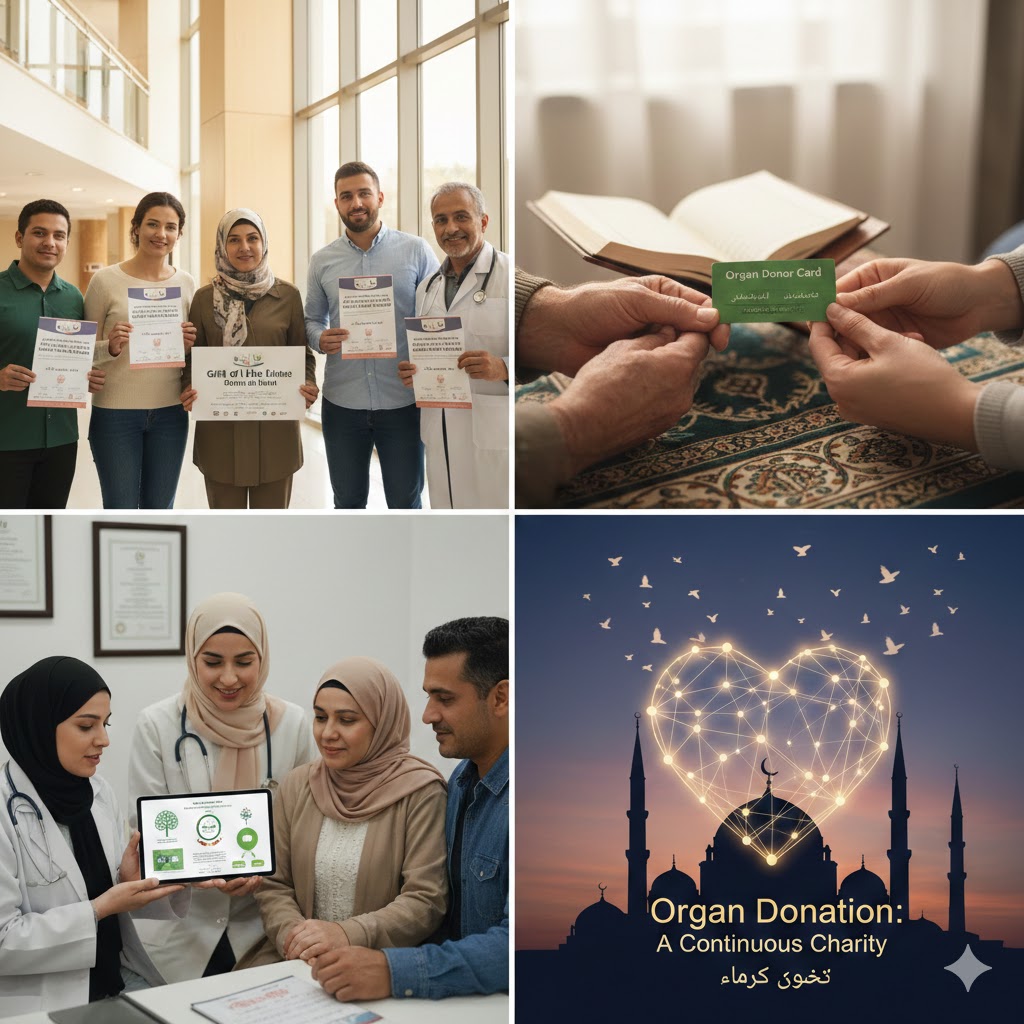


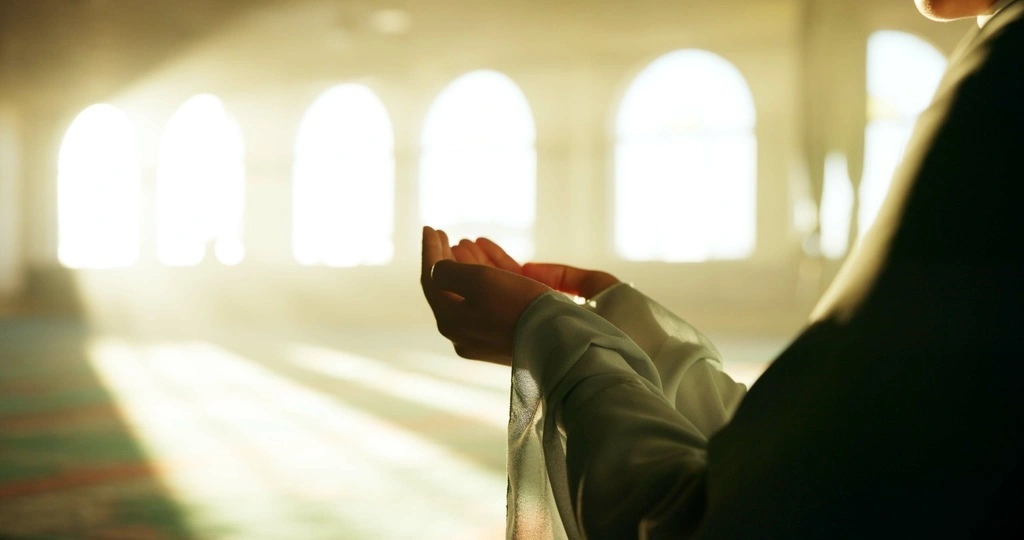
The Quranic Foundation of Life-Saving Rewards Saving a life is among the highest forms of virtue in Islam. The Quran states, “Whoever saves a life, it will be as if

Understanding Niyyah in Islam Intention (niyyah) is the essence of every action in Islam. The Prophet Muhammad (peace be upon him) said, “Actions are judged by intentions” (Hadith, Bukhari &
The Concept of Sadaqah Jariyah in Islam Sadaqah Jariyah refers to continuous charity, an act whose reward continues even after death. The Prophet Muhammad (peace be upon him) said, “When
The Centrality of Life in Islam Preserving human life is one of the most fundamental objectives in Islamic law. The Quran emphasizes the sanctity of life, stating, “And whoever saves

Islamic Principles on Harm One of the central tenets of Islamic law is the principle of removing harm (dar al-mafasid). The Prophet Muhammad (peace be upon him) said, “There should

Islamic Perspective on Life-Saving Treatments Shariah emphasizes the preservation of life (hifz al-nafs) as a fundamental objective. Medical treatments that prevent death or alleviate severe illness are highly valued, aligning
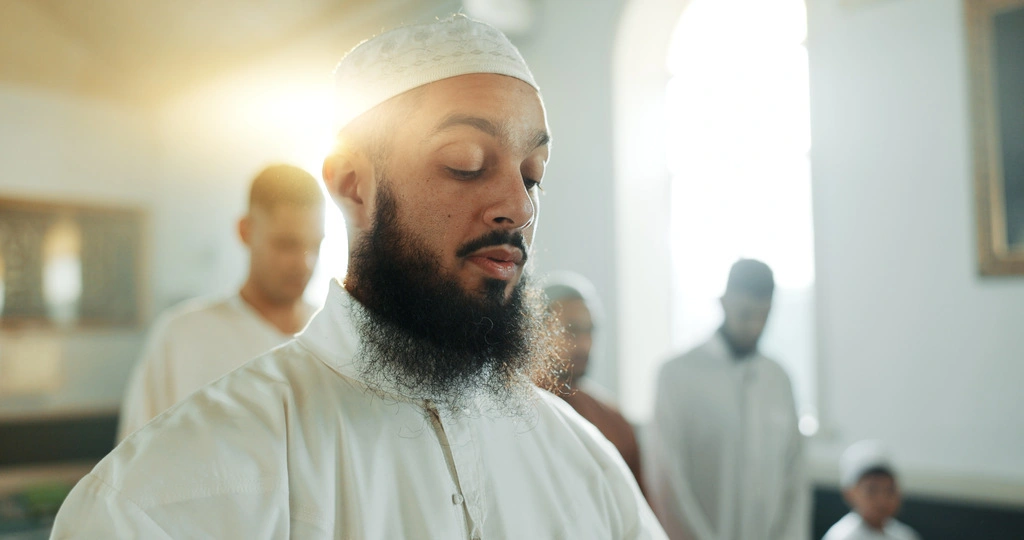
Post-Death Ethics in Islam Islamic ethics extend beyond life, guiding behavior towards the deceased. Respect, care, and proper handling of the body are core principles. These post-death procedures ensure that
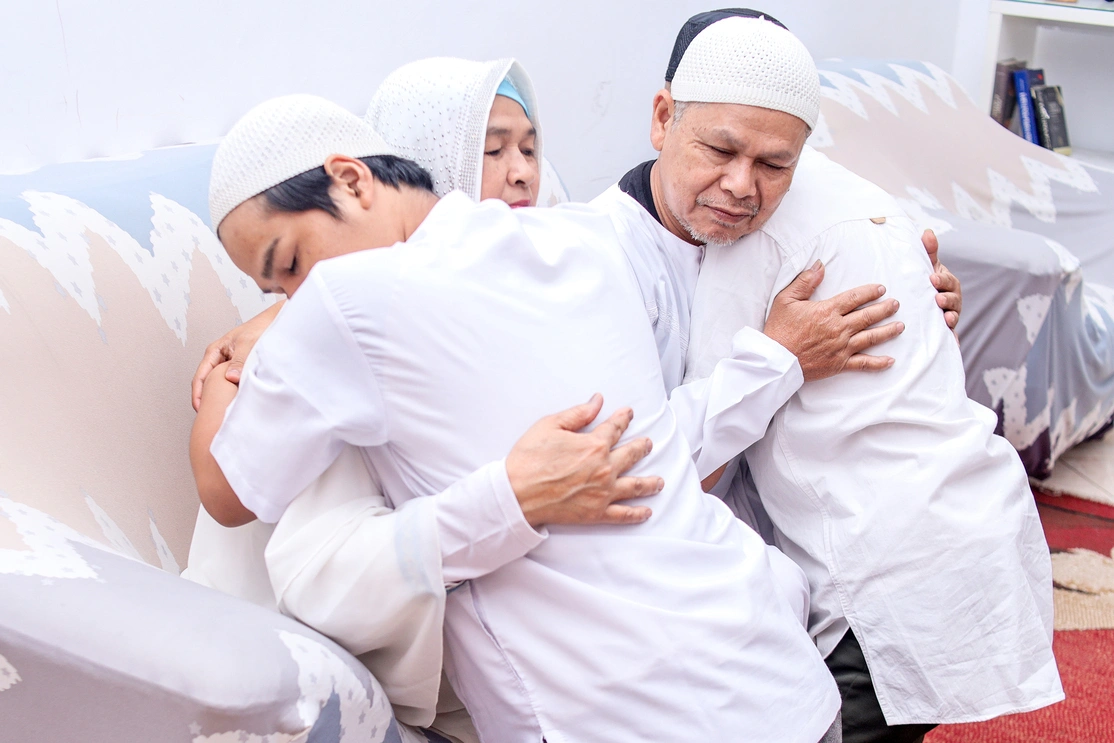
The Importance of Respecting the Deceased Islam places immense emphasis on treating the deceased with dignity. The Quran and Hadith guide Muslims on proper handling, burial, and remembrance. Respecting the

Understanding Bodily Integrity Bodily integrity is a core concept in Islamic ethics, emphasizing the inviolability of the human body. The body is viewed as a trust from Allah, and its
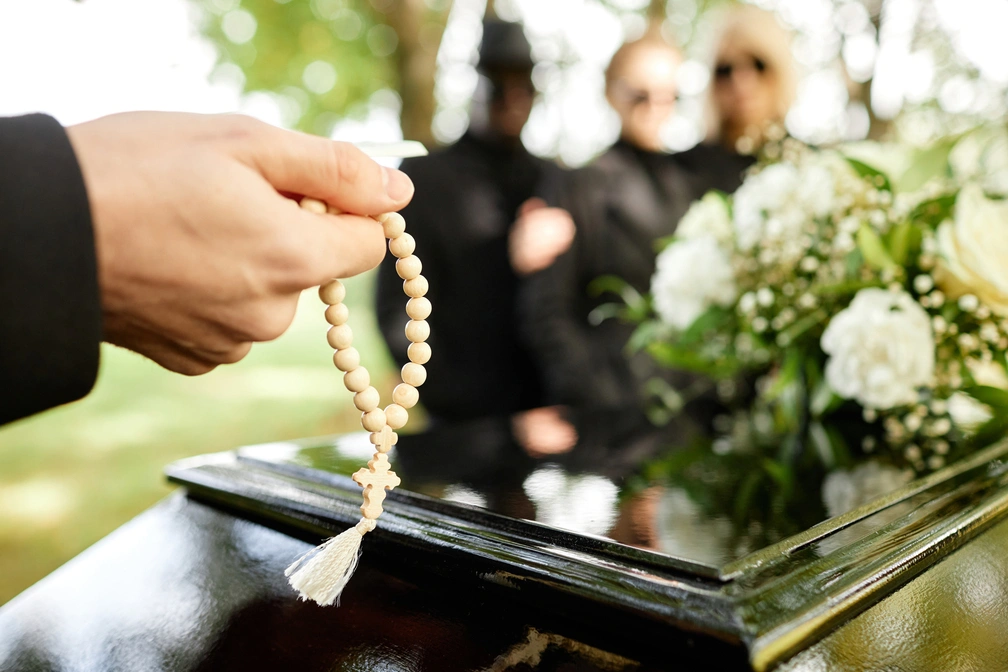
The Sacredness of the Human Body Islam teaches that the human body is a sacred trust from Allah, deserving respect during life and after death. The Quran and Hadith emphasize
Most Read Articles