




The Complexity of Life Support in Modern Medicine
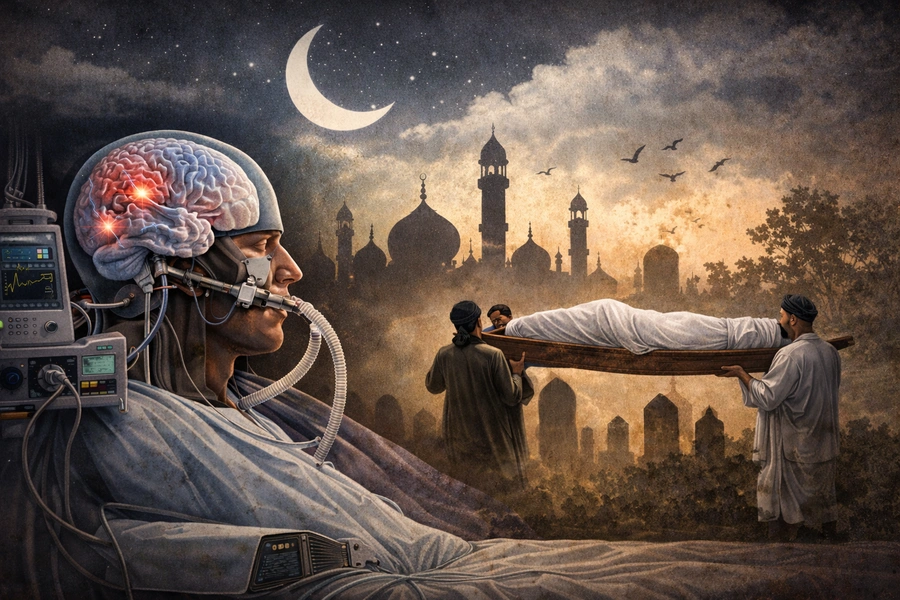
Life support technology has transformed end-of-life care. Mechanical ventilators, feeding tubes, and advanced monitoring systems can sustain bodily functions even when a patient has no meaningful chance of recovery. While these technologies serve as vital tools in emergency care, they also raise profound ethical and religious questions when recovery becomes medically impossible.
Islamic Emphasis on the Sanctity of Life
Islam places supreme value on human life. The Quran affirms that saving a single life carries immense moral weight (Surah Al-Ma’idah 5:32). Because of this emphasis, scholars approach the question of withdrawing life support with extreme caution. Any decision that appears to hasten death must be examined carefully within the framework of Shariah.
Distinguishing Between Killing and Allowing Natural Death
A central point in scholarly debate is the distinction between actively causing death and allowing death to occur naturally. Islamic law strictly prohibits intentional killing. However, many scholars argue that discontinuing extraordinary medical treatment in cases of irreversible illness does not constitute killing if death results from the underlying condition rather than deliberate action.
When Treatment Becomes Futile
Medical experts sometimes determine that life support only prolongs biological function without hope of recovery. In such cases, scholars consider whether continuing treatment serves any meaningful benefit. The principle of removing hardship and preventing unnecessary suffering becomes relevant. If treatment merely extends suffering without medical improvement, some jurists permit withdrawal under strict conditions.
Role of Medical Expertise
Islamic rulings rely heavily on expert medical testimony in these cases. Multiple qualified physicians must confirm that the condition is irreversible and that continued intervention offers no reasonable hope of recovery. Certainty is essential before life support may be withdrawn. Institutions such as the Islamic Fiqh Academy emphasize reliance on trustworthy medical evaluation.
Differing Scholarly Perspectives
Not all scholars agree uniformly. Some maintain that life support should continue as long as the heart beats, arguing that human intervention should not end physiological function. Others permit withdrawal when brain death is confirmed or when medical consensus affirms futility. These differing opinions reflect the seriousness with which Islamic law treats life-and-death decisions.
Family Involvement and Ethical Responsibility
Families often face emotional and moral strain when deciding about life support. Scholars encourage consultation with knowledgeable religious authorities alongside medical professionals. Decisions should not be driven by financial pressure or emotional fatigue but grounded in ethical reflection and medical certainty.
Connection to Organ Donation
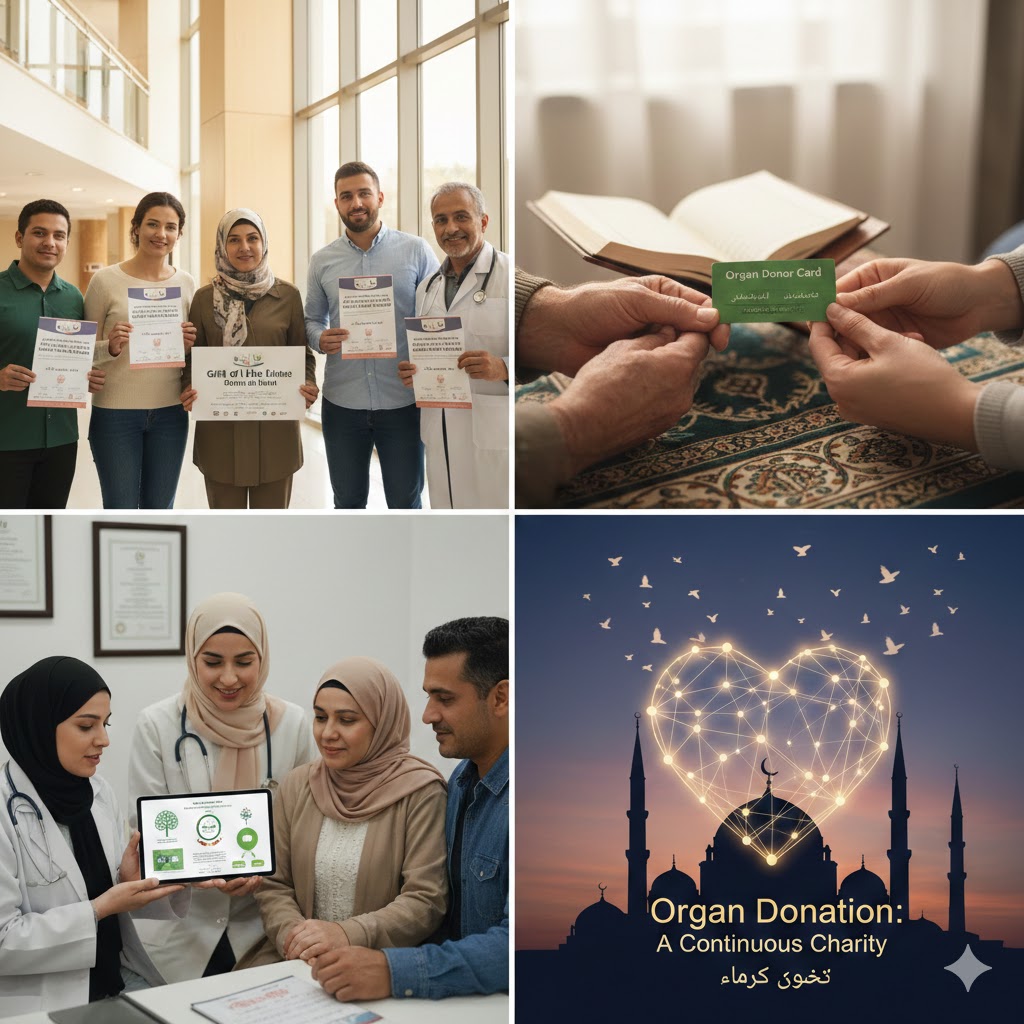
Life support withdrawal sometimes intersects with organ donation discussions. If brain death has been definitively established, many scholars permit organ retrieval under ethical conditions. However, if uncertainty remains, preservation of life takes priority over transplantation considerations.
Balancing Mercy and Preservation
Islamic ethics integrates mercy (rahmah) with responsibility. Prolonging treatment that causes pain without benefit may conflict with compassion. At the same time, ending life prematurely contradicts the sanctity of life. Scholars therefore strive to balance these values carefully.
Conclusion
Scholarly debates on life support withdrawal reflect the depth and seriousness of Islamic bioethics. While life is sacred and must be preserved, treatment that offers no hope of recovery may be reconsidered under strict medical and ethical guidelines. Through reliance on expert testimony, principled reasoning, and spiritual reflection, Islamic jurisprudence seeks to navigate these sensitive decisions with integrity and compassion.