




Understanding Living Kidney Donation
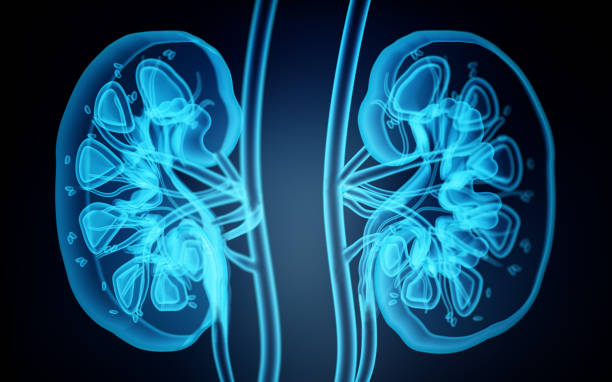
Living kidney donation involves a healthy individual voluntarily donating one of their kidneys to a patient suffering from kidney failure. Because humans can survive with one functioning kidney, this procedure has become one of the most common forms of living organ donation worldwide. In Islamic law, however, the permissibility of such a procedure requires careful ethical and legal evaluation.
The Principle of Preserving Life
The preservation of human life (hifz al-nafs) is one of the primary objectives of Shariah. The Quran states, “Whoever saves a life, it is as if he has saved all of humanity” (Surah Al-Ma’idah 5:32). Many contemporary scholars use this verse as foundational support for allowing life-saving medical procedures, including organ transplantation, when necessary.
The Body as a Trust (Amanah)
Islam teaches that the human body is a trust from God. Individuals are responsible for safeguarding their health and avoiding self-harm. Therefore, living kidney donation is evaluated in light of whether it causes significant or irreversible harm to the donor. If the procedure poses serious danger, it would not be permissible under Islamic law.
Scholarly Opinions on Living Donation
Many contemporary Islamic jurists permit living kidney donation under strict conditions. They argue that donating a non-vital organ that does not endanger the donor’s life aligns with the objectives of Shariah. Institutions such as the Islamic Fiqh Academy have issued resolutions permitting living organ donation when medical experts confirm safety and necessity.
Conditions for Permissibility
For living kidney donation to be permissible, several conditions must be met. First, the donor must provide free and informed consent. Coercion or financial pressure invalidates the ethical basis of the act. Second, qualified physicians must confirm that the donor can live a healthy life with one kidney. Third, the transplant must be medically necessary for the recipient, meaning alternative treatments are insufficient.
Prohibition of Organ Selling
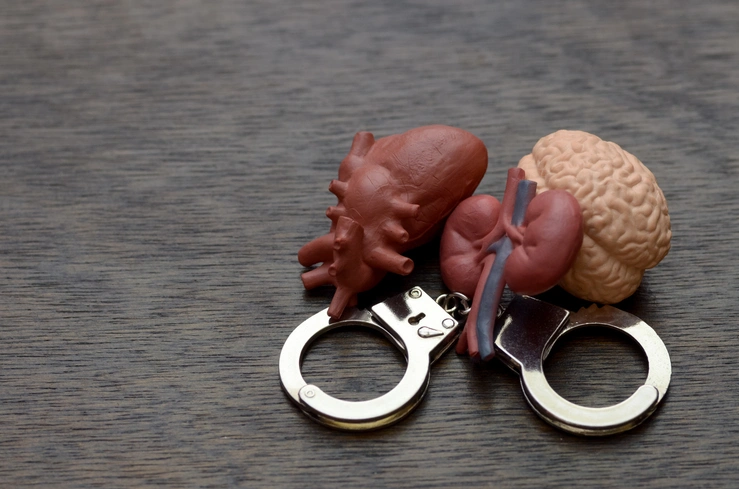
While donation may be permissible, selling organs for profit is widely prohibited by Islamic scholars. Commercialization risks exploitation and undermines human dignity. Justice is a central Islamic value (Surah An-Nisa 4:135), and organ trade often targets vulnerable populations. Therefore, the act must remain charitable rather than transactional.
Balancing Benefit and Harm
Islamic jurisprudence includes the maxim that harm must not be inflicted or reciprocated. Living kidney donation is permissible only when harm to the donor is minimal and outweighed by the life-saving benefit to the recipient. Modern medical screening helps ensure that donors are physically and psychologically prepared for the procedure.
Spiritual Dimension of Donation
Many scholars view living kidney donation as an act of profound altruism. If performed sincerely for the sake of God, it may carry immense spiritual reward. The intention (niyyah) transforms the medical act into a charitable deed aligned with Islamic compassion.
Conclusion
Living kidney donation is generally considered permissible in Islam when strict ethical and medical conditions are fulfilled. It must preserve donor safety, involve voluntary consent, and remain free from commercial exploitation. Grounded in the principle of saving life and guided by professional medical evaluation, living donation reflects the balance between compassion and responsibility within Islamic law.