



The Importance of Consent in Posthumous Donation
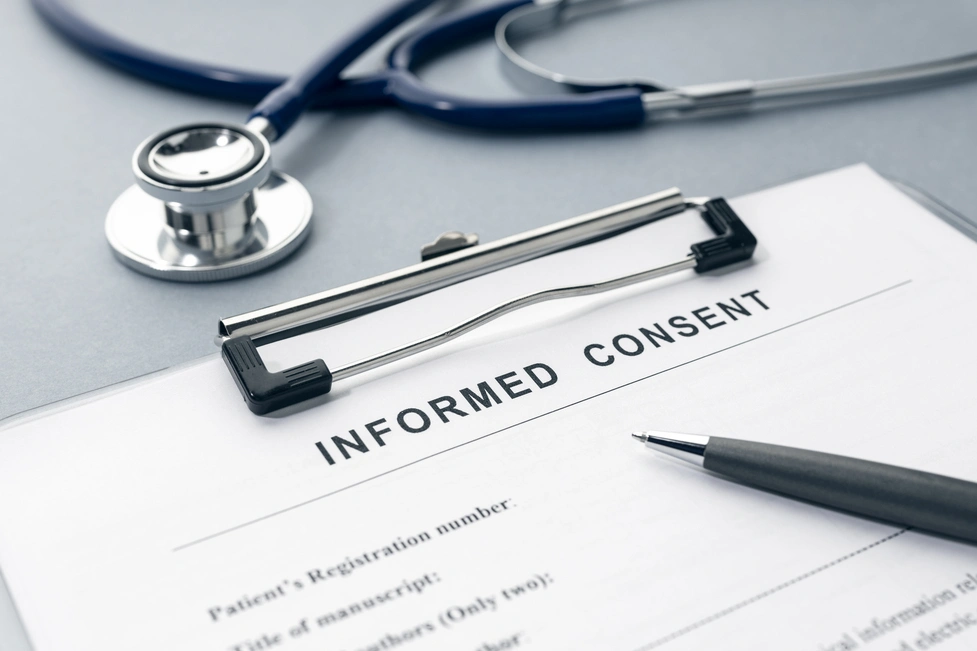
Consent is a cornerstone of ethical organ donation, especially after death. In Islam, respecting the autonomy of the deceased and their prior intentions is essential. Organ donation without explicit permission may be considered a violation of human dignity, which Islam holds in the highest regard. Clear consent ensures that the act aligns with Shariah and ethical principles.
Islamic Concept of Wasiyyah (Will)
Wasiyyah refers to a will or testament outlining a person’s wishes to be executed after death. While traditionally associated with distribution of property, the concept extends to medical decisions, including organ donation. By including donation preferences in a will, a Muslim ensures that their decision is respected and legally recognized. The Quran emphasizes fulfilling commitments and promises (Surah Al-Ma’idah 5:1), making documented consent particularly significant.
Legal and Ethical Requirements
A valid wasiyyah must clearly articulate the donor’s intention, be free from coercion, and comply with local laws. Documentation may include written statements, medical directives, or registration with organ donation authorities. Islamic scholars recommend that multiple witnesses validate the consent to avoid disputes and ensure compliance with Shariah.
Role of Family in Consent
Even with documented consent, family involvement is encouraged. Immediate relatives are often consulted to facilitate the process and provide emotional support. Scholars advise balancing the wishes of the deceased with the family’s sensitivities, ensuring that both ethical and social considerations are respected.
Timing and Implementation
Consent must be in place before the donation occurs. Delays in obtaining consent can affect organ viability. Hospitals and religious authorities coordinate to verify wasiyyah documentation, confirm the absence of conflicting claims, and ensure that procedures respect Islamic ethical norms. The timely execution of consent protects the sanctity of both the deceased and potential recipients.
Scholarly Endorsement
Islamic juristic bodies, including the Islamic Fiqh Academy, support the use of wasiyyah to authorize organ donation. They emphasize that prior consent reflects sincere intention and moral responsibility, transforming the donation into a permissible and commendable act.
Minimizing Disputes and Ethical Conflicts
Clearly documented consent in a wasiyyah prevents disputes among family members and reduces ethical conflicts. It also protects medical teams from legal or religious challenges. Transparency and proper documentation serve as a safeguard for all parties while respecting Islamic ethical standards.
Spiritual and Social Benefits
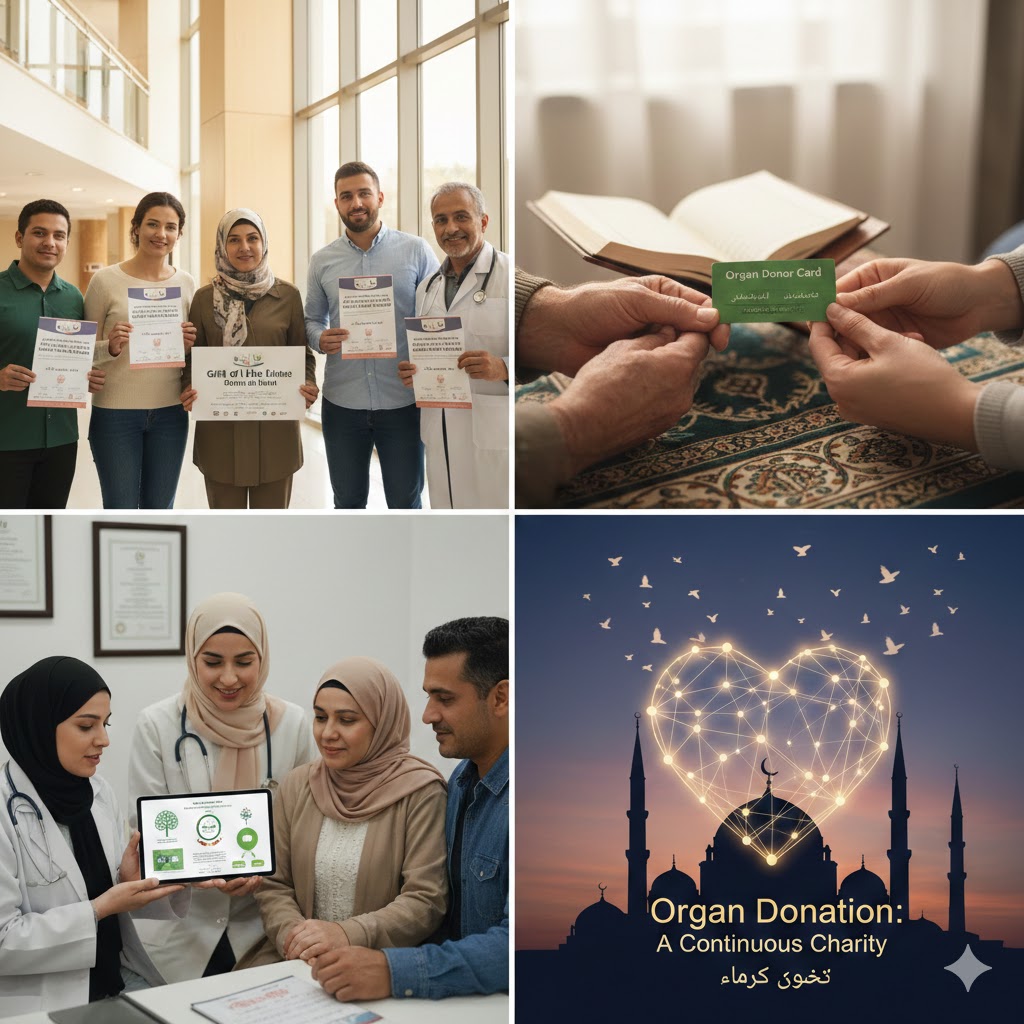
Consent given through wasiyyah allows the deceased to perform a lasting charitable act (sadaqah jariyah). Families often find comfort in fulfilling the deceased’s wishes, and recipients benefit from life-saving interventions. This alignment of ethical, spiritual, and social objectives illustrates how Shariah harmonizes individual autonomy with communal welfare.
Conclusion
Consent and wasiyyah are essential for posthumous organ donation in Islam. By documenting intention, obtaining witnesses, and respecting family involvement, Muslims ensure that donation aligns with ethical and religious principles. When executed properly, a wasiyyah transforms a personal decision into a life-saving, morally commendable act that preserves dignity, fulfills Shariah requirements, and benefits society.