




Understanding the Question of Permissibility
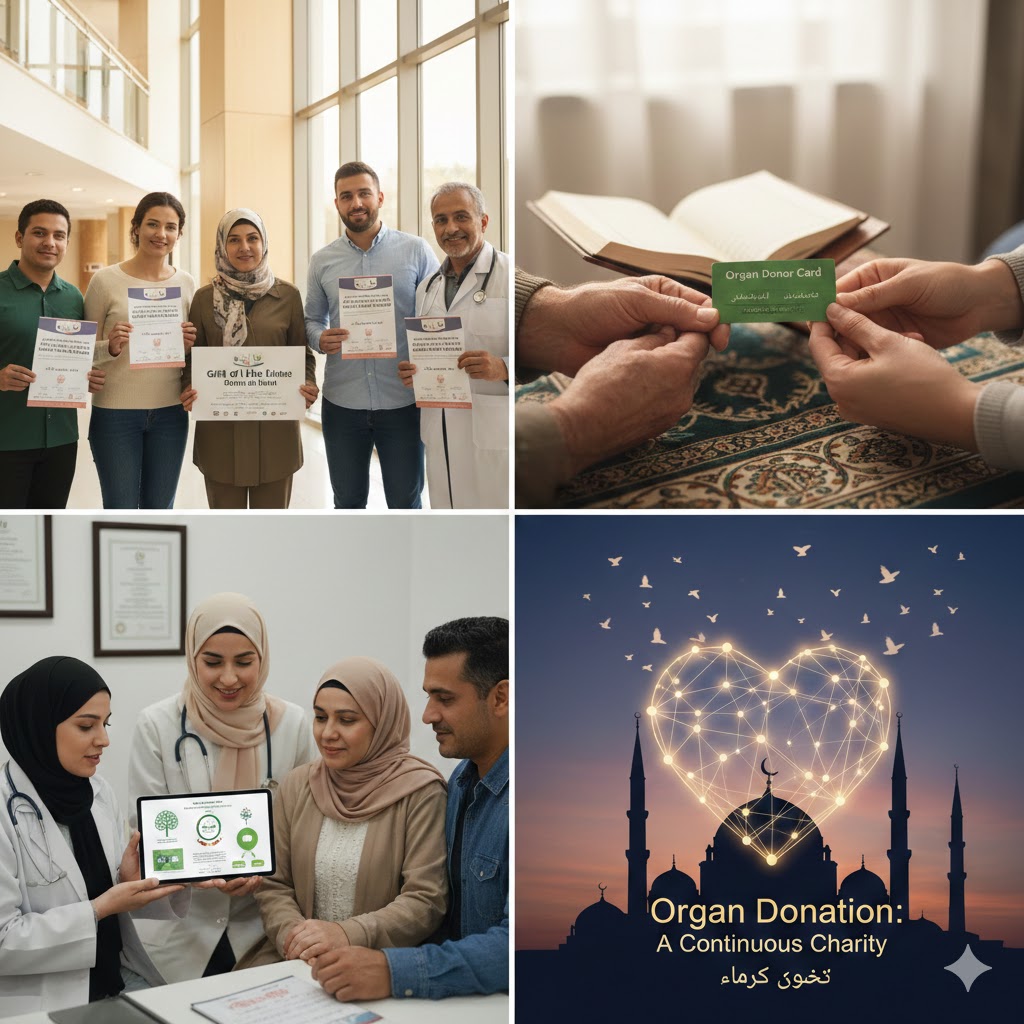
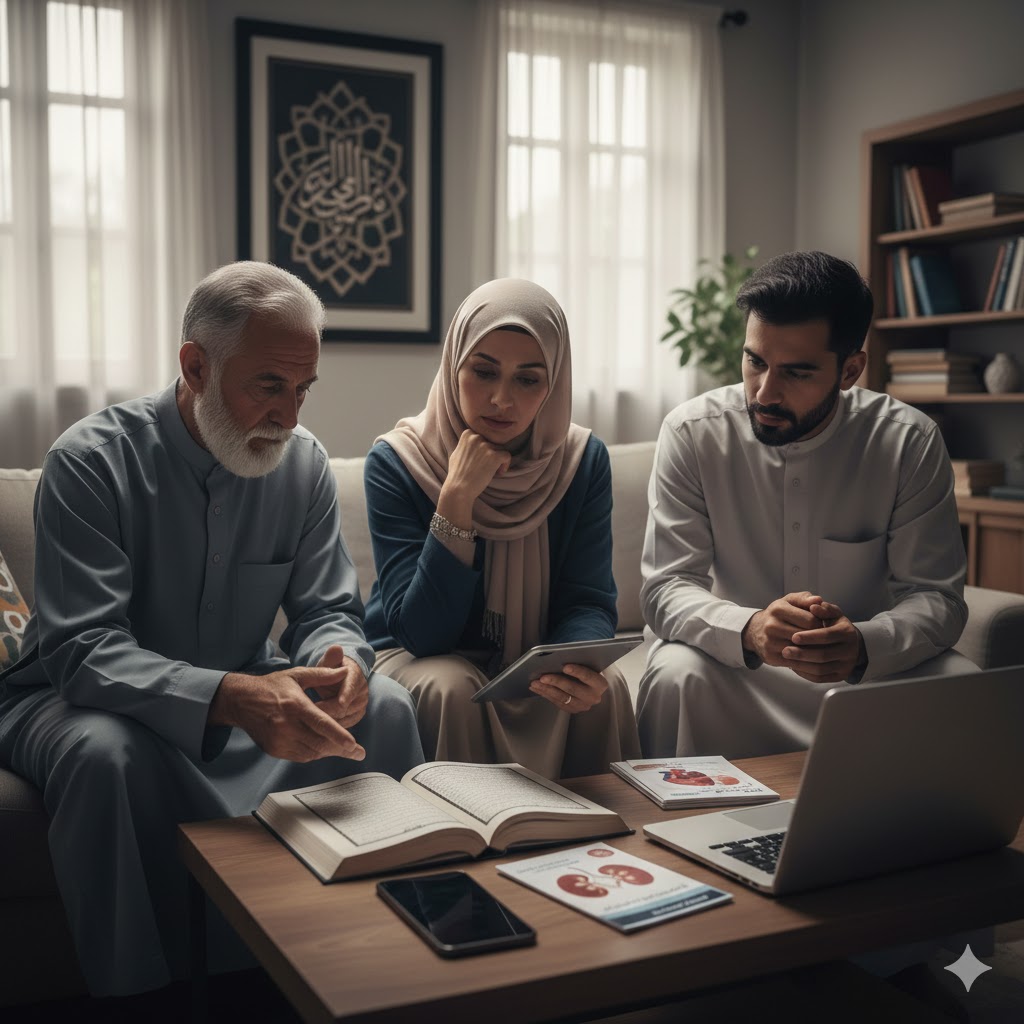
Organ donation often raises questions among Muslims about whether it is permissible or haram. Misunderstandings stem from concerns about bodily integrity, the sanctity of the deceased, and fear of violating divine law. Islamic scholars approach this issue with careful consideration of religious texts, medical ethics, and the overarching objective of Shariah: preserving life.
The Principle of Preserving Life
Preservation of life is a core objective in Islamic jurisprudence. The Quran emphasizes the immense value of saving human life: “Whoever saves a life, it is as if he has saved all of humanity” (Surah Al-Ma’idah 5:32). Many contemporary scholars argue that organ donation aligns with this principle when it provides a clear benefit to recipients without causing undue harm to donors.
Concerns About Bodily Integrity
Some believe that donating organs violates the sanctity of the human body. Classical jurists often emphasized that the human body, whether alive or deceased, should not be mutilated. However, modern scholars differentiate between unnecessary harm and purposeful acts that save lives. When organs are donated to preserve life, the act is not considered desecration but an ethical and compassionate intervention.
Scholarly Consensus and Fatwas
Major Islamic bodies, including the Islamic Fiqh Academy and Al-Azhar, have issued rulings allowing organ donation under strict conditions. These include: voluntary consent, no harm to the donor, prohibition of organ trade, and the aim of saving life. Scholars assert that with proper safeguards, organ donation is not haram but a morally commendable act.
Living vs. Posthumous Donation
Both living and posthumous donations are addressed in Islamic rulings. Living donation is permissible if it does not endanger the donor’s health, while posthumous donation requires prior consent or family approval. Scholars emphasize that both forms must adhere to ethical guidelines, ensuring that the donor’s dignity and safety are protected.
Addressing Misinterpretations of Texts
Some Muslims fear that organ donation contradicts Quranic guidance or prophetic teachings. Misinterpretations often arise from reading texts out of context or relying on outdated rulings. Contemporary scholars clarify that the Quran’s emphasis on mercy, compassion, and saving lives supports organ donation when conducted ethically (Surah An-Nahl 16:90).
Intentions and Ethical Responsibility
In Islam, intention (niyyah) plays a crucial role in determining the ethical value of an action. Donating organs sincerely to save lives is viewed as a form of charity (sadaqah) and can carry spiritual reward. Conversely, donation motivated by profit or coercion would be considered impermissible, highlighting the importance of both intention and ethical practice.
Conclusion
Organ donation is not inherently haram in Islam. With proper consent, medical safety, ethical oversight, and charitable intention, it aligns with the Shariah objective of preserving life. Scholars emphasize that fear or misunderstanding should not prevent Muslims from participating in this life-saving act, which exemplifies Islamic values of mercy, compassion, and social responsibility.