

Understanding Bodily Wholeness in Islam
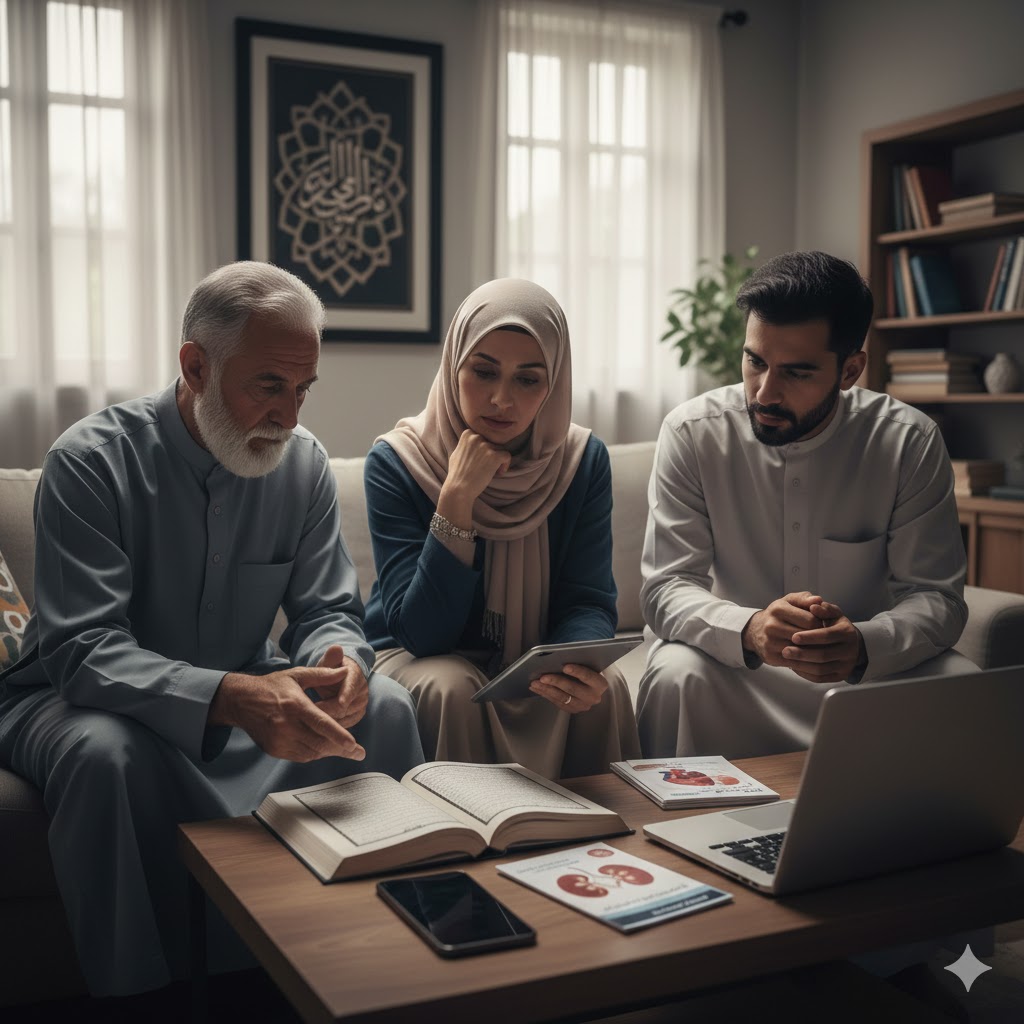
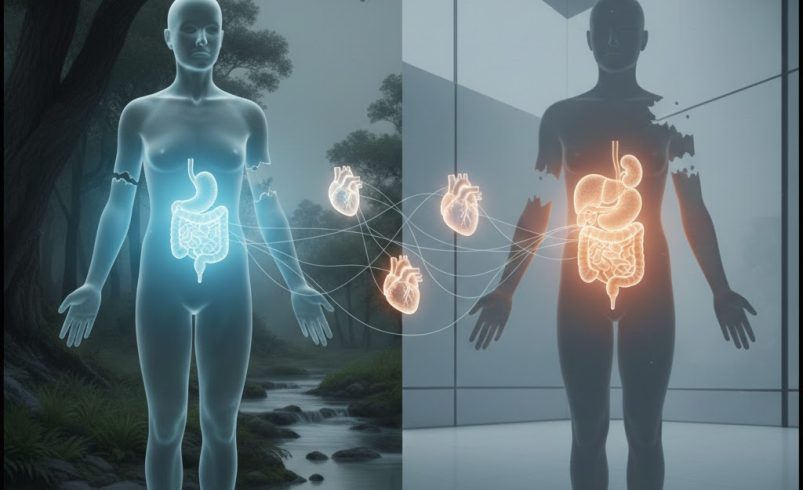
Many Muslims worry that organ donation may violate the wholeness of the human body. In Islamic teachings, the body is considered a sacred trust from God, whether alive or deceased. Protecting this trust involves avoiding unnecessary mutilation or harm. However, scholars distinguish between desecration and life-saving interventions, emphasizing that organ donation can align with Islamic ethics if done responsibly.
The Principle of Preserving Life
The Quran emphasizes the importance of saving human life: “Whoever saves a life, it is as if he has saved all of humanity” (Surah Al-Ma’idah 5:32). Scholars argue that preserving life may take precedence over concerns about maintaining complete physical wholeness, especially when the donation involves organs that do not threaten the donor’s life.
Living Donation and Bodily Integrity
In living organ donation, ethical considerations focus on minimizing risk. Donors can live safely with one kidney or a portion of the liver, and surgical procedures are performed under strict medical supervision. Scholars emphasize that when donor safety is ensured, bodily integrity is not considered violated but is instead balanced with the higher objective of saving lives.
Posthumous Donation Considerations
For posthumous donation, the body must be treated with respect. Minimal incisions and careful surgical techniques preserve dignity. Scholars differentiate between harmful mutilation, which is prohibited, and controlled medical procedures aimed at saving lives. This distinction is critical in addressing concerns about bodily wholeness.
Fatwas and Scholarly Consensus
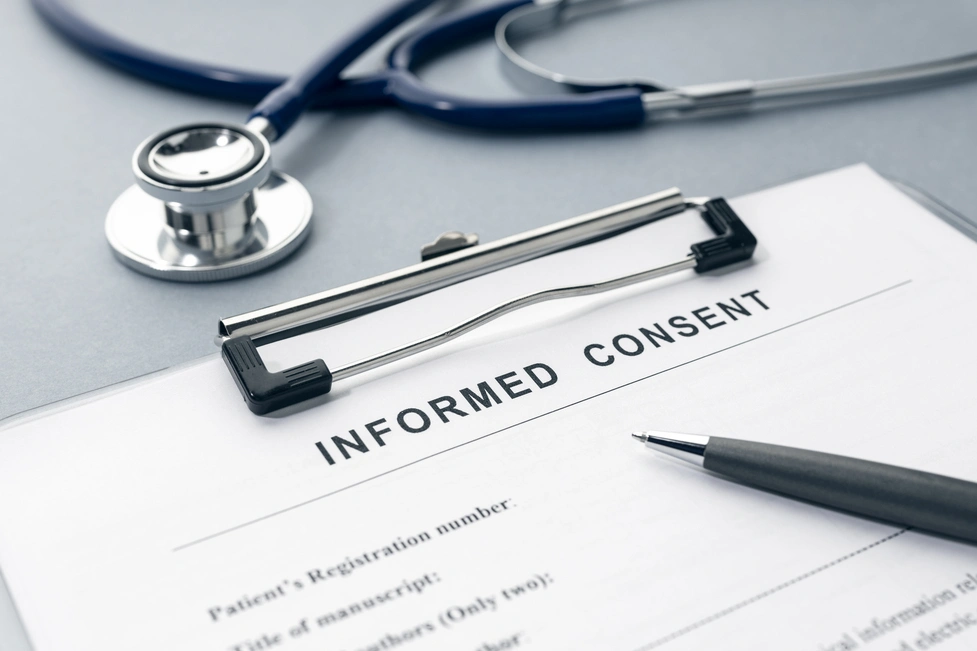
Islamic juristic councils, including the Islamic Fiqh Academy and Al-Azhar, have clarified that organ donation does not violate bodily integrity when ethical and medical conditions are met. Voluntary consent, minimal harm, and the goal of life preservation are key criteria that ensure compliance with Shariah.
Balancing Harm and Benefit
Shariah includes the principle of weighing harm against benefit. Minor or controlled alteration of the body for a greater good, such as saving lives, is ethically justified. This balance ensures that donors’ dignity is respected while fulfilling the moral obligation to aid others in life-threatening situations.
Spiritual Perspective
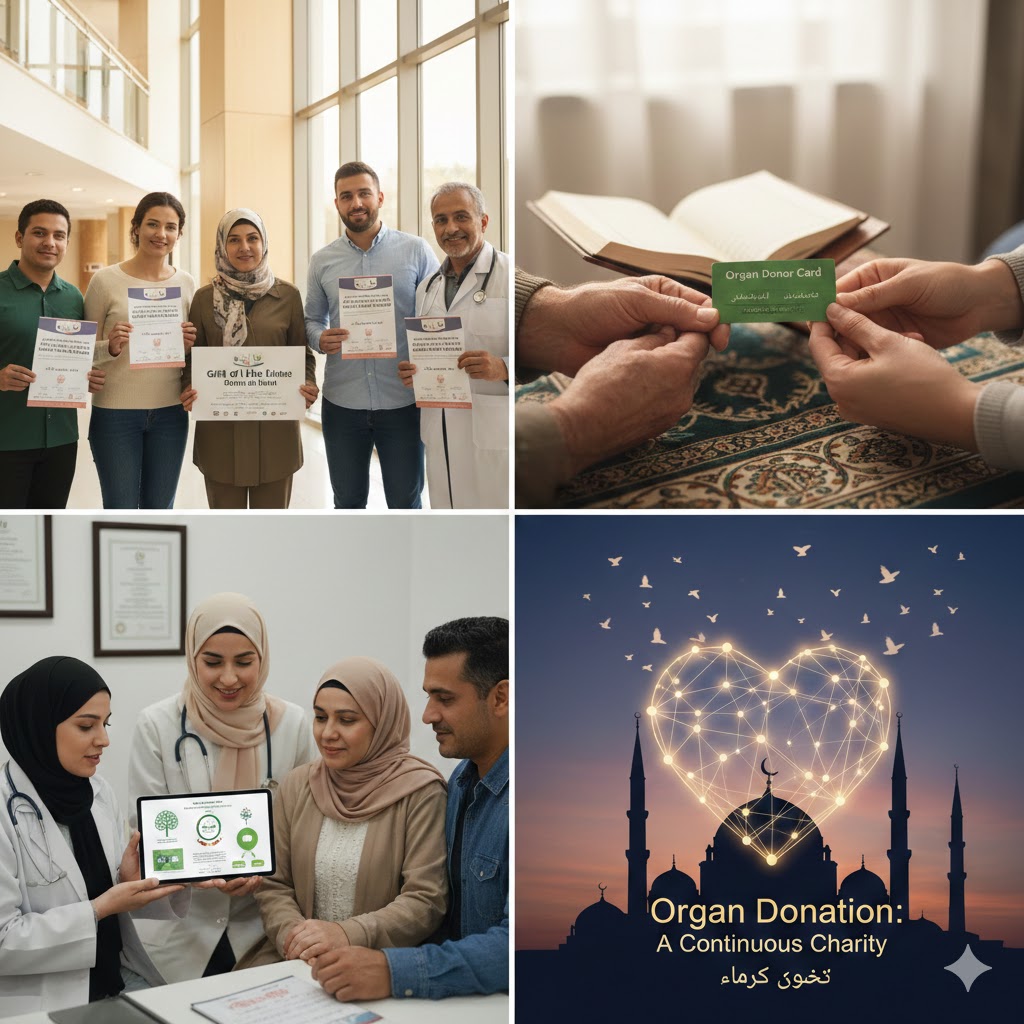
Organ donation, when performed with sincere intention (niyyah) to save lives, is considered a virtuous act in Islam. The act transforms the medical procedure into a form of ongoing charity (sadaqah jariyah) that benefits both the recipient and the donor spiritually. This perspective reinforces that ethical organ donation is compatible with bodily sanctity.
Conclusion
Organ donation does not inherently violate bodily wholeness in Islam. Through voluntary consent, careful medical procedures, and ethical oversight, the body’s sanctity is respected while fulfilling the higher objective of preserving life. Modern scholarship confirms that life-saving donation aligns with Islamic principles, harmonizing compassion, ethics, and physical integrity.