
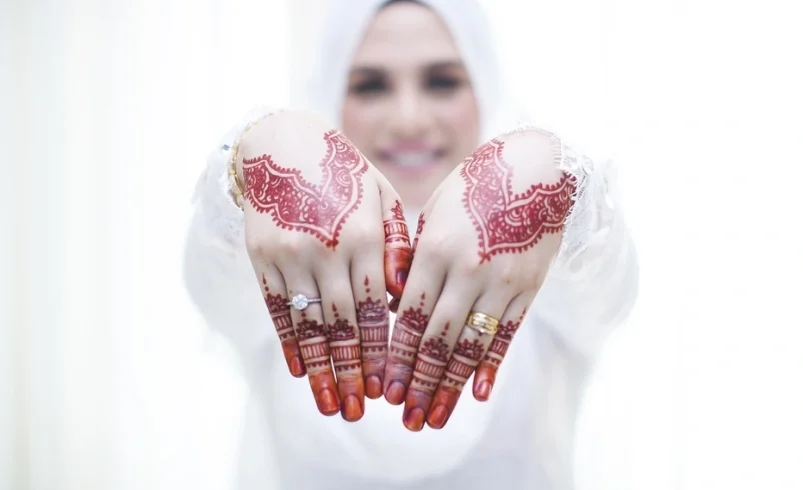

Understanding Body Modification in Islam
Body modification refers to altering the natural state of the human body, whether for cosmetic, medical, or cultural reasons. In Islam, the human body is considered a trust (amanah) from Allah. Any changes to it must respect ethical and religious guidelines. While unnecessary alterations are generally discouraged, modifications for medical purposes, such as organ donation, are treated differently.
Distinction Between Cosmetic and Medical Modification
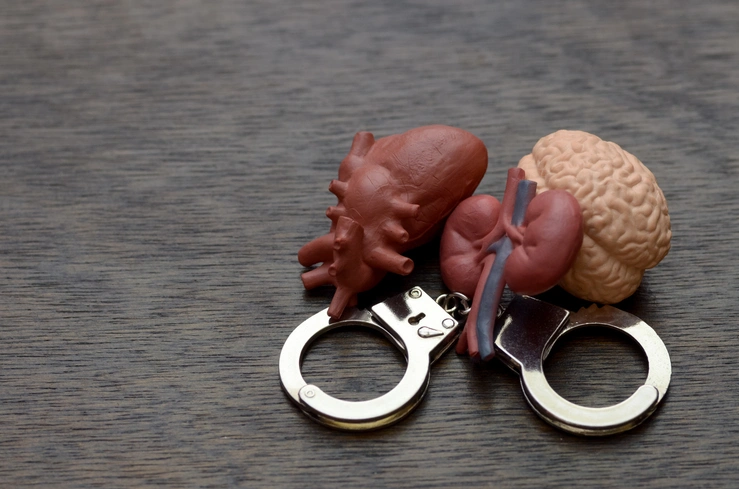
Cosmetic modifications, such as tattoos or non-essential surgeries, are often discouraged or prohibited because they alter God’s creation without necessity. In contrast, medical modifications aim to preserve or save life. Scholars differentiate between unnecessary alteration and life-saving procedures, applying the principle of necessity (darura) to permit medical interventions.
Organ Donation as Ethical Modification
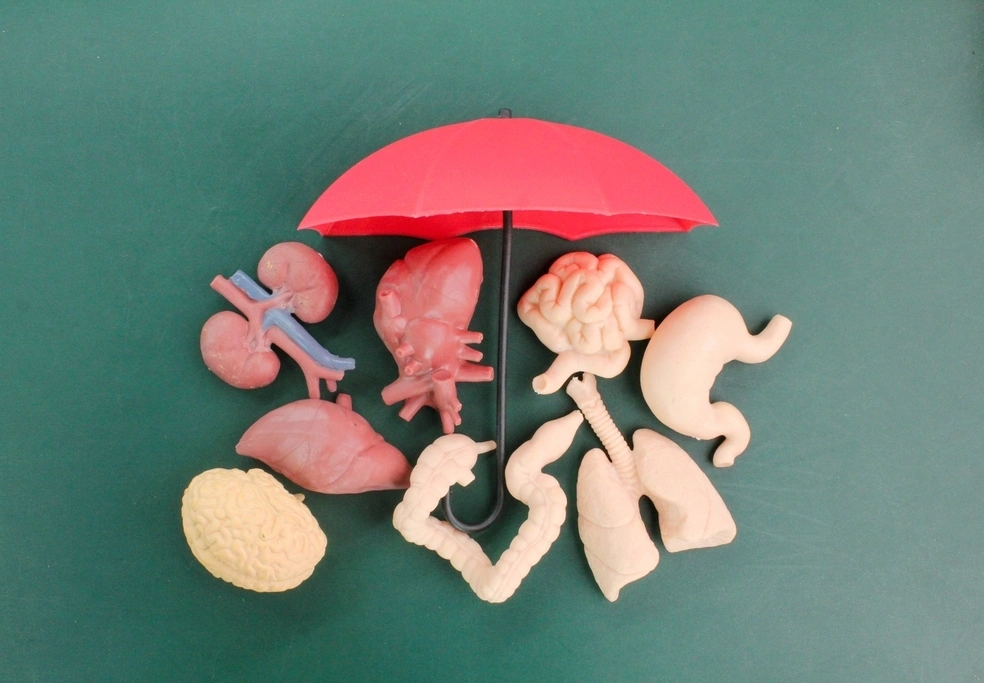
Organ donation, whether living or posthumous, involves a controlled medical alteration of the body. The purpose is to save or improve lives, aligning with Islamic objectives of preserving life and reducing harm. Scholars highlight that such modifications are ethically permissible because the benefits outweigh minor physical changes to the donor’s body.
Scholarly Opinions
Major Islamic juristic bodies, including the Islamic Fiqh Academy and Al-Azhar, have addressed this issue. They permit medical modifications that preserve life or health, provided they do not cause undue harm, are performed with consent, and follow professional standards. Life-saving procedures, including organ transplants, fall within this category.
Principle of No Harm
Islamic ethics emphasizes that no action should cause harm (la darar wa la dirar). Medical procedures, including organ donation, must minimize risk to the donor. Ethical oversight and proper surgical techniques ensure that the modification does not violate this principle. This framework protects both the physical integrity of the donor and the moral permissibility of the act.
Voluntary Consent and Intention
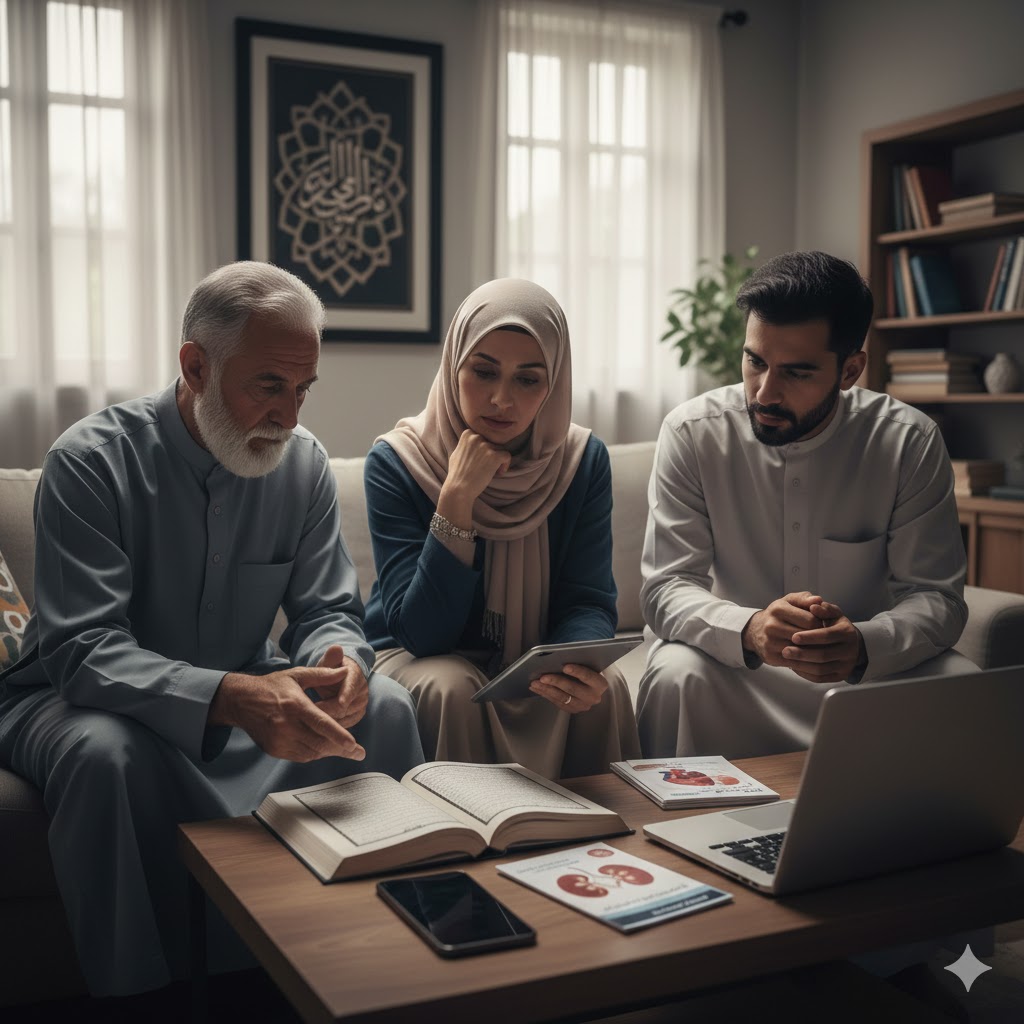
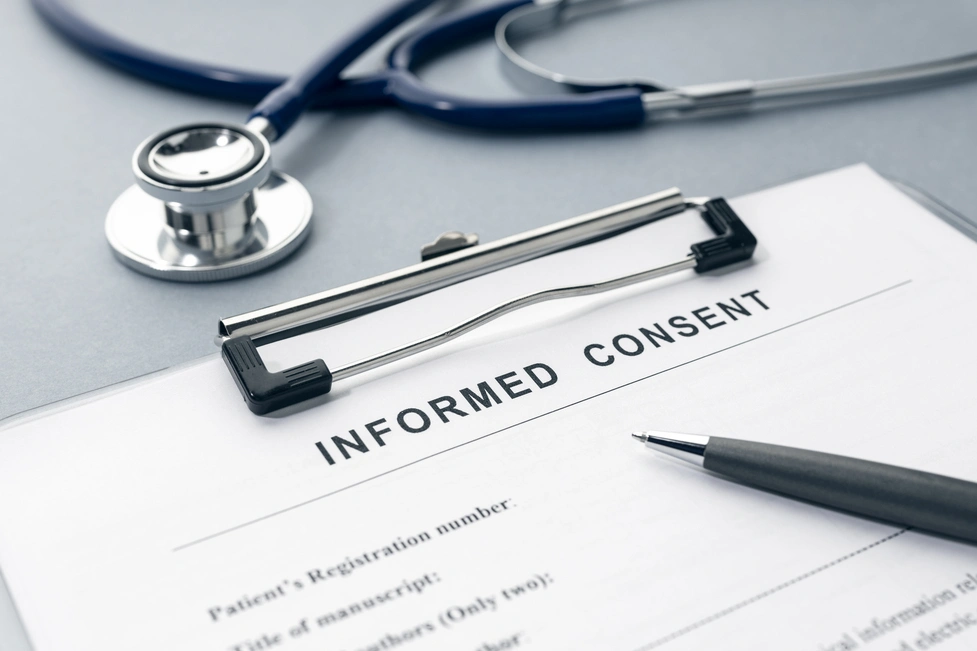
Consent is essential in body modification for medical purposes. The donor must willingly agree, understanding the risks and benefits. Furthermore, intention (niyyah) matters in Islam; modifying the body to save a life is considered a virtuous and rewarded act. This spiritual dimension distinguishes ethical medical modification from prohibited cosmetic alterations.
Educational Implications
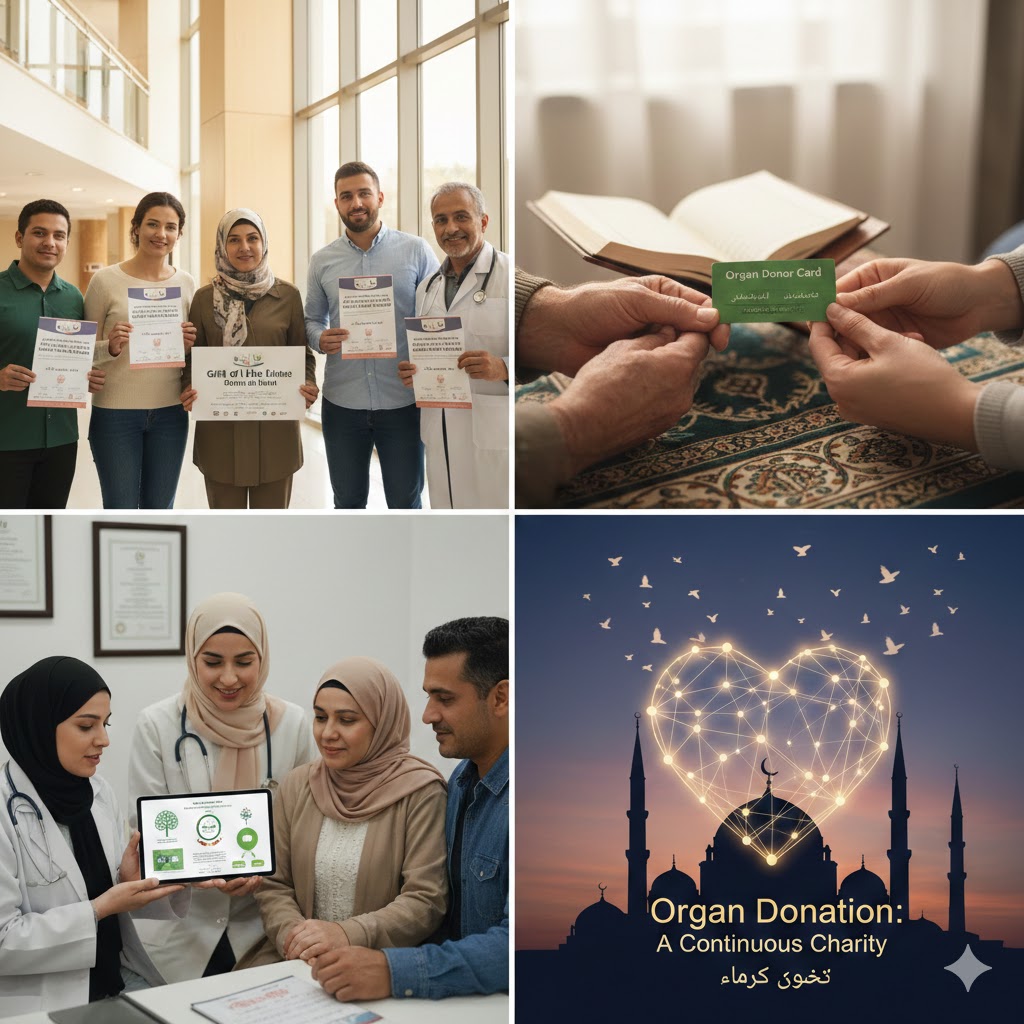
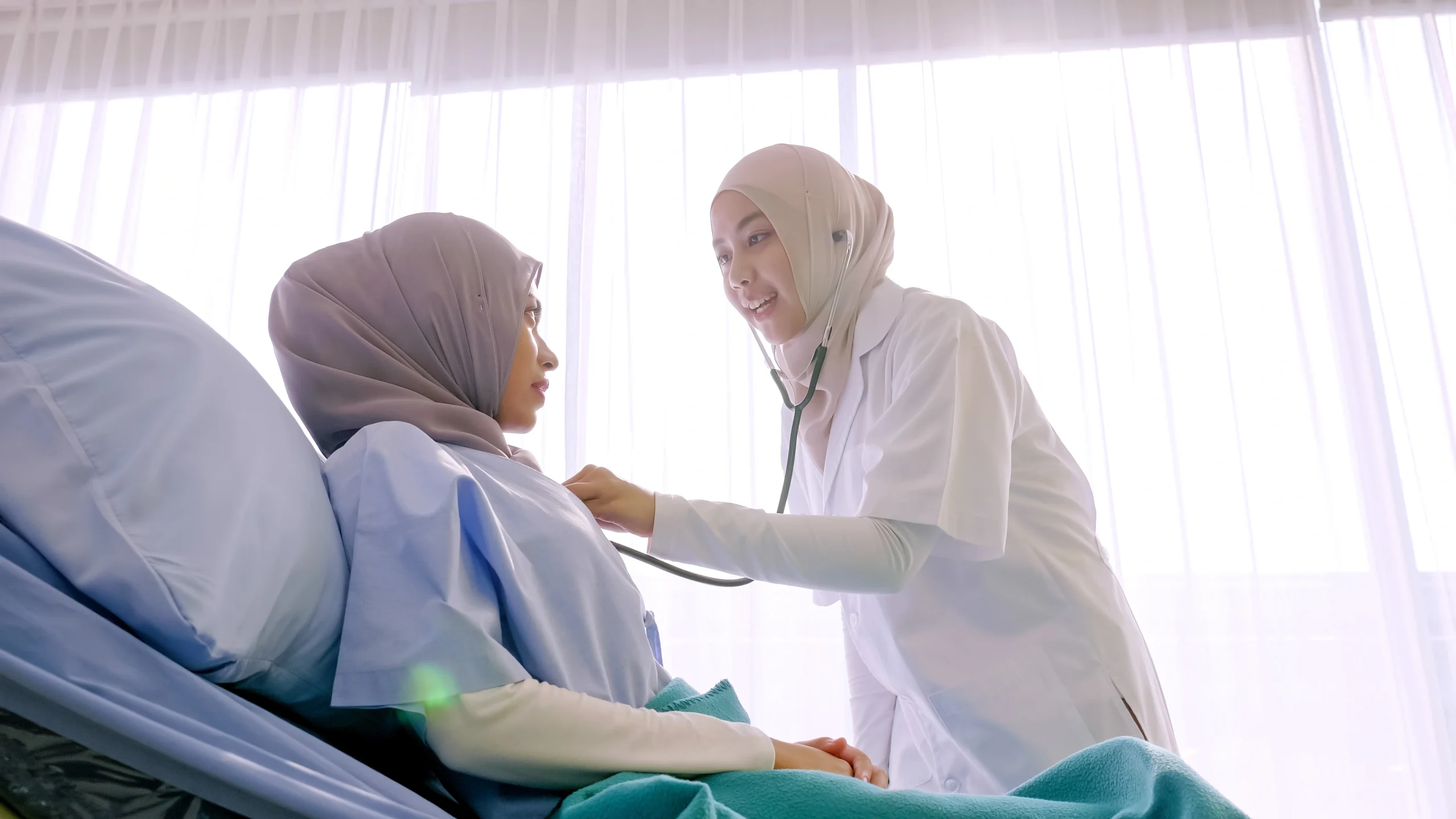
Misunderstandings about body modification can prevent Muslims from participating in life-saving procedures. Religious education and guidance from trusted scholars clarify that organ donation and similar medical interventions do not violate Islamic principles, provided they meet ethical and medical criteria. Public awareness campaigns can help dispel fears and encourage participation.
Conclusion
Islamic teachings differentiate between unnecessary cosmetic modifications and necessary medical interventions. Organ donation, as a controlled medical modification aimed at saving lives, is ethically and religiously permissible. Through informed consent, minimal risk, and sincere intention, Muslims can participate in organ donation while respecting the integrity and sanctity of the body, fulfilling both moral and spiritual obligations.