



Common Concerns About Physical Integrity
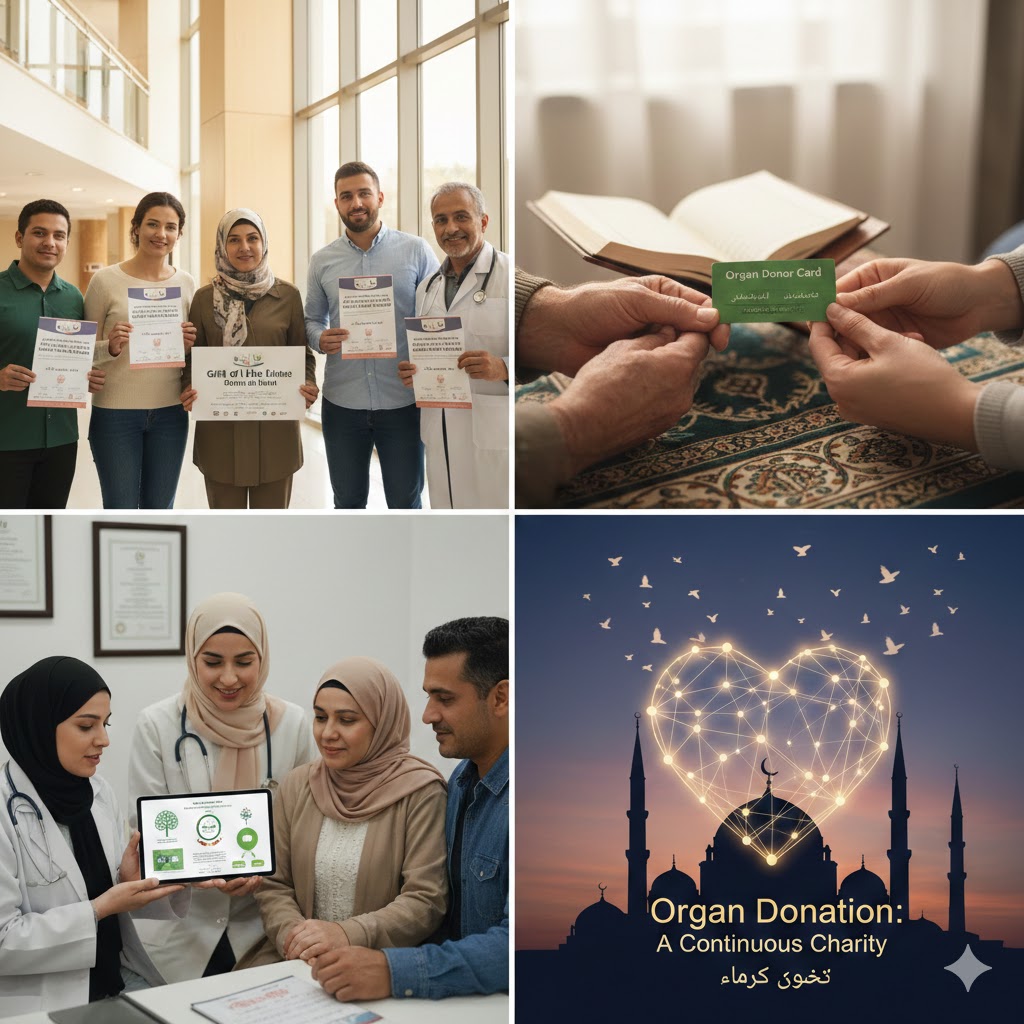
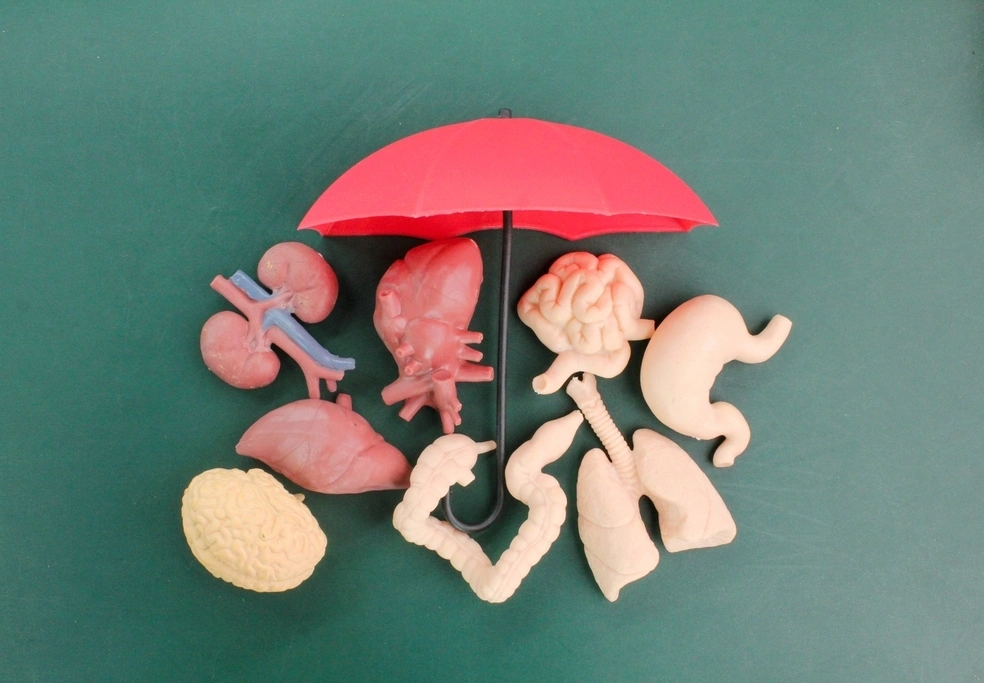
Many Muslims hesitate to participate in organ donation due to concerns about bodily integrity. Questions often arise about whether donating an organ compromises the sanctity of the human body, especially after death. These fears, while understandable, are often based on misconceptions about Islamic teachings and medical practices.
Islamic Principles on Respecting the Body
Islam emphasizes respect for the human body, whether alive or deceased. Harmful mutilation or disrespect is strictly prohibited. However, scholars differentiate between unnecessary harm and life-saving interventions. When organ donation is performed ethically, with minimal disruption to the body, it does not violate Islamic principles (Surah Al-Isra 17:70).
Medical Safeguards Ensure Safety
For living donors, medical evaluation ensures that organ removal does not endanger the donor’s health. For posthumous donation, surgical techniques are carefully applied to preserve dignity. Minimal incisions, professional handling, and ethical oversight maintain the integrity of the body while enabling life-saving procedures.
Scholarly Clarifications
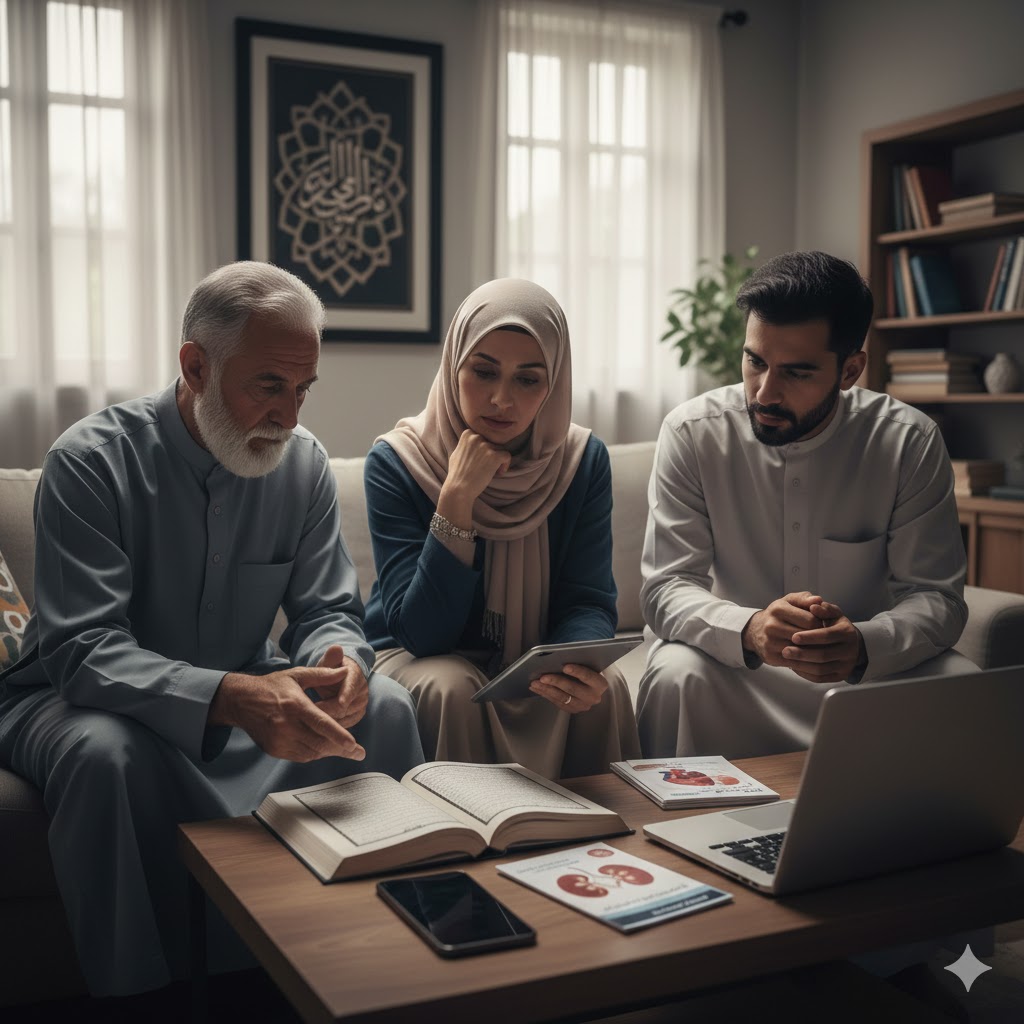
Islamic scholars have addressed these concerns extensively. Bodies such as the Islamic Fiqh Academy and Al-Azhar confirm that ethical organ donation does not compromise bodily integrity if it meets specific conditions: voluntary consent, preservation of dignity, and clear medical necessity. Scholars emphasize that the act of saving a life can outweigh minor physical alterations.
Role of Consent and Intention
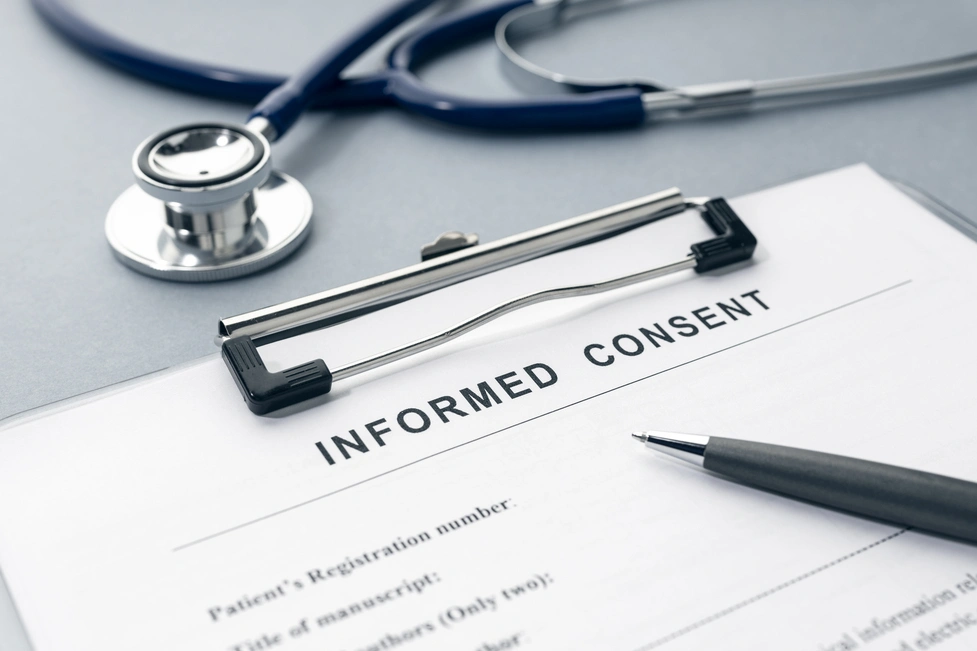
Voluntary consent and sincere intention are crucial. Donors or their families must agree to the procedure with full understanding. The intention (niyyah) to save life transforms the act from a medical intervention into a morally and spiritually rewarded deed. Fear of violating bodily integrity is alleviated when the purpose is aligned with Islamic ethics.
Posthumous Donation and Family Involvement
In cases where the donor has not provided prior consent, family permission is essential. Families ensure that the deceased’s dignity is maintained, helping to address public and religious concerns. Clear communication between medical teams, families, and religious authorities ensures that the procedure respects both ethical and spiritual values.
Education to Overcome Misconceptions
Misunderstandings about bodily integrity often discourage Muslims from donating. Educational initiatives, religious guidance, and awareness campaigns help correct these misconceptions. By explaining medical safeguards, ethical protocols, and scholarly positions, communities can reduce fears and encourage participation in life-saving organ donation.
Conclusion
Fears about bodily integrity, though common, are largely based on misunderstandings. Ethical organ donation, supported by medical safeguards, scholarly guidance, and voluntary consent, does not violate Islamic principles. By addressing these concerns, Muslims can confidently participate in organ donation, preserving both the sanctity of the body and the precious gift of life.