




The Concept of Resurrection in Islam
Resurrection (al-ba‘th) is a fundamental belief in Islam. Every human being will be brought back to life on the Day of Judgment, when all deeds will be accounted for. The Quran emphasizes the absolute power of Allah to restore life: “Do they not see that Allah, who created the heavens and the earth, is able to create the like of them?” (Surah Ya-Sin 36:81). This principle ensures that the physical state of the body in this world, including organ donation, does not limit resurrection.
Misunderstandings About Physical Completeness
Concerns often arise that missing organs could affect resurrection. Some fear that organ donation or surgical procedures might prevent a person from being physically whole in the afterlife. Scholars clarify that divine resurrection is not constrained by human medical realities. Allah can perfectly recreate the body, ensuring completeness regardless of earthly conditions.
Ethical Considerations of Organ Donation
Organ donation is considered ethically commendable in Islam when it preserves life. Leading institutions, such as the Islamic Fiqh Academy, have ruled that ethical organ donation does not compromise bodily sanctity or resurrection. The act aligns with the Shariah principle of saving lives, which can outweigh minor physical alterations.
Living Donors and Resurrection
Living donors may experience temporary removal of organs like a kidney or a part of the liver. Scholars emphasize that these procedures, done with consent and medical safeguards, do not compromise spiritual or eternal integrity. Resurrection is a divine act, and the physical condition at the time of donation does not affect Allah’s ability to restore the body fully.
Posthumous Donation and Respect for the Deceased
Posthumous organ donation requires prior consent or family approval. Ethical handling of the body ensures respect for the deceased, maintaining dignity while saving lives. Scholars highlight that even after death, donation does not interfere with resurrection, as Allah’s power encompasses all creation and restoration.
Role of Intention in Islamic Ethics
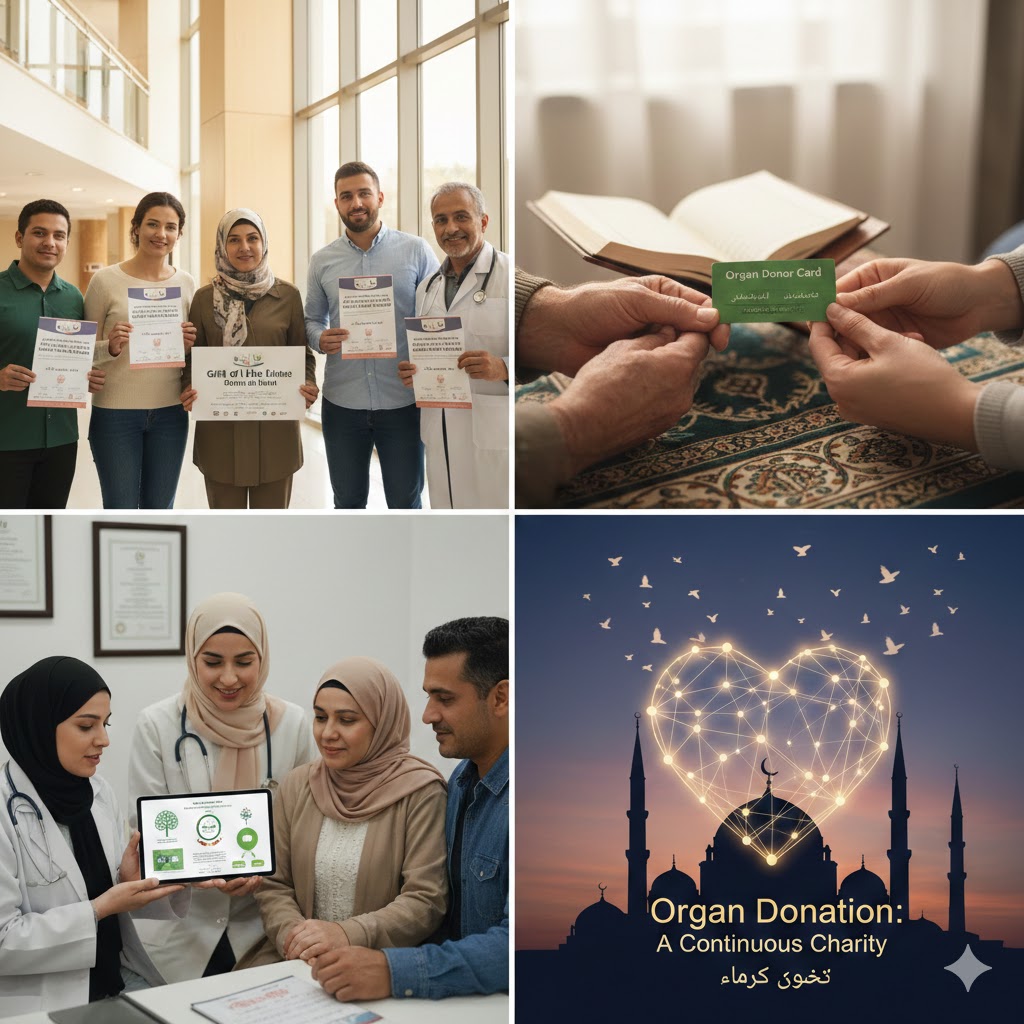
Intention (niyyah) plays a central role in determining the value of any act. Organ donation performed to save life is considered a form of ongoing charity (sadaqah jariyah) and carries spiritual reward. Ethical intention ensures that the act is aligned with Islamic teachings, further dispelling fears regarding resurrection.
Balancing Faith and Modern Medicine
Medical advances like organ transplantation save countless lives. Some may worry about reconciling these practices with spiritual beliefs. Scholars explain that faith and medicine work in harmony: medical intervention preserves life in this world, while Allah guarantees resurrection in the hereafter. Understanding this perspective allows Muslims to embrace both life-saving medicine and religious doctrine confidently.
Educational and Community Guidance
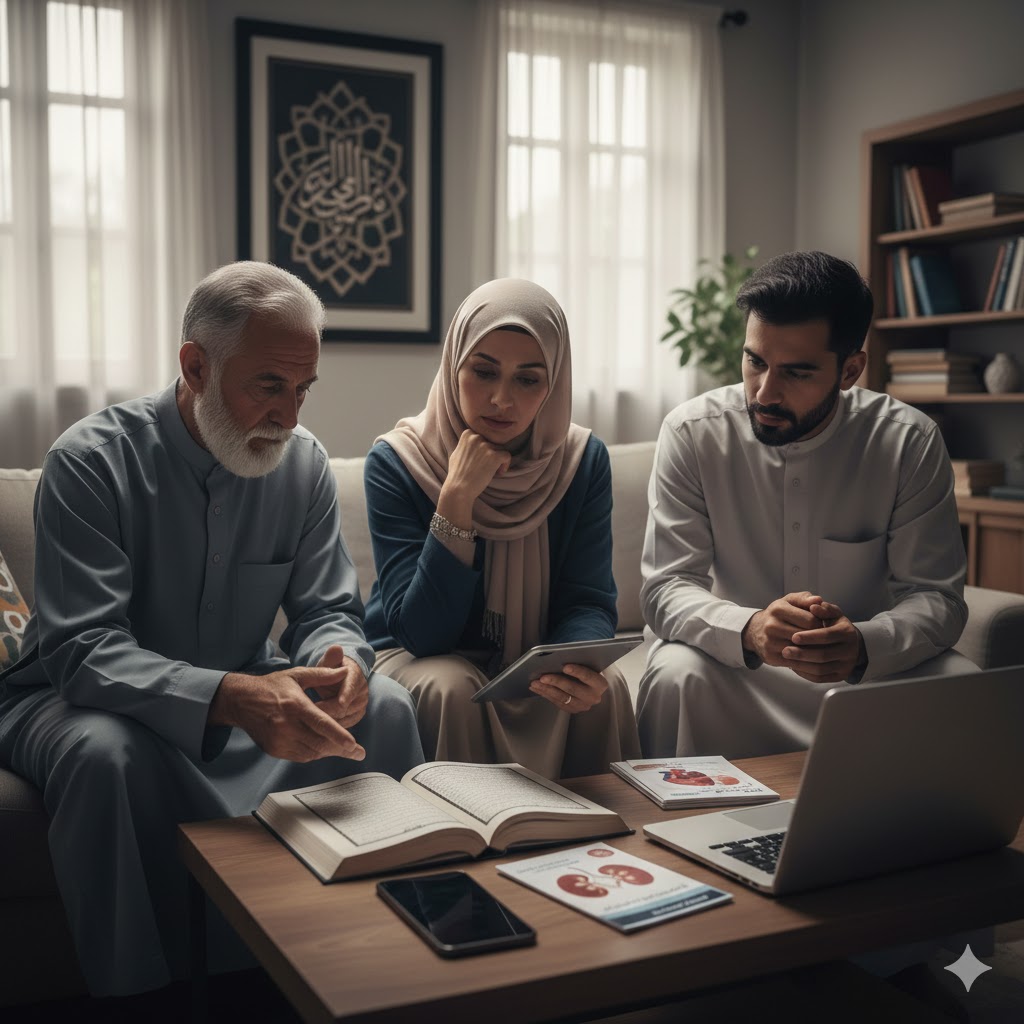
Community education and guidance from trusted scholars help alleviate fears about resurrection. By emphasizing the power of Allah, the ethical framework for organ donation, and proper medical procedures, misconceptions can be addressed effectively. Informed Muslims can participate in organ donation without fearing spiritual consequences.
Conclusion
Islamic belief in resurrection assures that the human body will be fully restored on the Day of Judgment, regardless of earthly conditions or medical procedures. Organ donation, when performed ethically and with sincere intention, does not interfere with resurrection. Muslims can engage in life-saving organ donation confidently, balancing faith, compassion, and adherence to Shariah principles.