




Overview of Organ Donation in Saudi Arabia
Organ donation in Saudi Arabia has developed significantly over the past decades, guided by both Islamic principles and modern medical regulations. The government has established clear legal frameworks to ensure that organ donation is ethical, voluntary, and aligned with Shariah. This framework addresses both living and posthumous donations while emphasizing consent, safety, and religious compliance.
Legal Framework and Regulations
Saudi Arabia’s organ donation laws are regulated under the Ministry of Health and supported by rulings from the Saudi Council of Senior Scholars. Key requirements include:
- Voluntary consent from the donor or family.
- Verification of medical necessity and suitability.
- Prohibition of commercial organ trade.
- Compliance with ethical standards and medical protocols.
These regulations ensure that organ donation is conducted transparently, ethically, and in accordance with Islamic teachings.
Fatwas and Religious Guidance
Islamic scholars in Saudi Arabia have issued fatwas supporting organ donation under controlled circumstances. The Saudi Council of Senior Scholars emphasizes that donation is permissible when it saves lives and does not harm the donor. Religious oversight ensures that medical procedures comply with Shariah principles and respect human dignity.
Living Organ Donation
Living organ donation, such as kidney transplantation, is allowed if the donor is healthy and gives informed consent. Medical evaluations ensure that the procedure does not endanger the donor’s health. Islamic principles guide ethical decision-making, balancing the preservation of life with respect for bodily integrity.
Posthumous Organ Donation
Posthumous donation requires prior consent from the donor or approval from next of kin. Hospitals coordinate with families to ensure ethical handling of the body and adherence to Shariah guidelines. Scholars stress that this practice aligns with the Islamic value of saving lives and contributing to social welfare (Surah Al-Ma’idah 5:32).
Integration With Medical Systems
Saudi Arabia has developed comprehensive organ transplantation programs that integrate with hospitals, national registries, and donor networks. Advanced tracking systems ensure organ allocation is efficient, transparent, and fair. Automation and digital consent management enhance efficiency and reduce human error in the process.
Challenges and Public Awareness
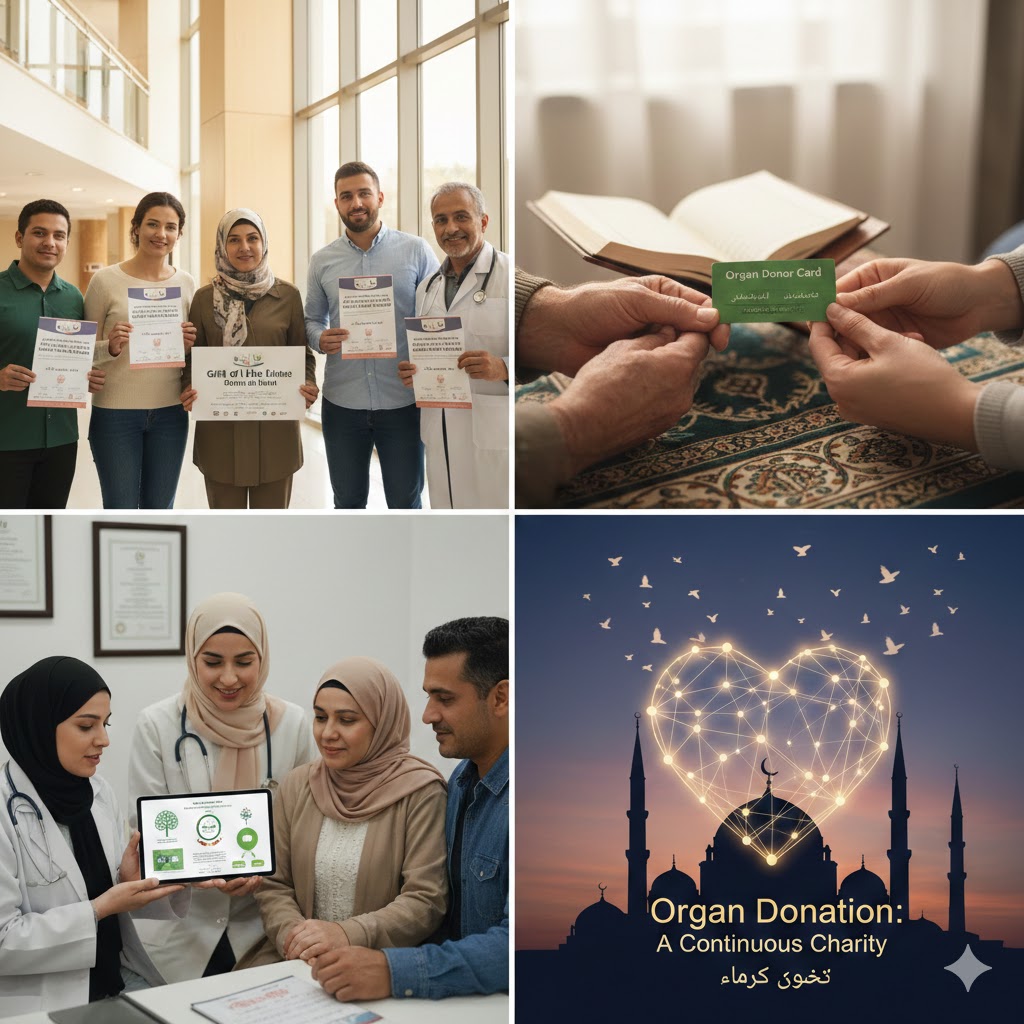
Despite clear laws, public awareness remains a challenge. Religious misconceptions and fears about bodily integrity sometimes prevent participation. Educational campaigns by hospitals, mosques, and community organizations help inform the public about the religious permissibility, safety, and benefits of organ donation.
Conclusion
Saudi Arabia’s legal and religious frameworks make organ donation ethical, regulated, and Shariah-compliant. Voluntary consent, medical oversight, and religious guidance ensure that both living and posthumous donations are permissible and socially responsible. By understanding these laws, Muslims in Saudi Arabia can participate confidently in life-saving organ donation, combining medical ethics with Islamic values.