



Overview of Qatar’s Organ Donation System
Qatar has established a comprehensive medical ethics framework that governs organ donation and transplantation. The system combines advanced medical standards with Islamic ethical principles to ensure life-saving procedures are both safe and Shariah-compliant. This framework addresses living and posthumous donations, prioritizing voluntary consent, medical necessity, and respect for human dignity.
Legal and Regulatory Framework
Qatar’s Ministry of Public Health oversees organ transplantation, with clear laws to guide ethical practices. Key requirements include:
- Voluntary consent from donors or next of kin.
- Medical evaluation to ensure donor and recipient safety.
- Prohibition of financial transactions for organ sale.
- Strict adherence to ethical and religious guidelines.
These regulations protect donors and recipients while ensuring that organ donation aligns with societal and religious values.
Shariah Compliance and Ethical Oversight
Islamic guidance is integrated into Qatar’s medical framework. Scholars affirm that organ donation is permissible when it serves the public interest and saves lives (Surah Al-Ma’idah 5:32). Ethical oversight committees ensure that both living and posthumous donations are conducted in a manner consistent with Shariah, respecting bodily integrity and human dignity.
Living Organ Donation
Living donations, such as kidney or liver transplants, are permitted if donors are medically cleared and consent voluntarily. Hospitals in Qatar follow rigorous surgical and ethical protocols to minimize risk. This approach balances the principle of preserving life with the requirement to protect donor health, reflecting Islamic ethical teachings.
Posthumous Organ Donation
Posthumous donation is allowed when prior consent exists or the family provides approval. Procedures are conducted with minimal intrusion, preserving the dignity of the deceased. Religious scholars confirm that such donations, performed to save lives, are ethically and spiritually rewarded, highlighting the importance of intention (niyyah).
Technological Integration for Transparency
Qatar utilizes digital organ registries and tracking systems to enhance transparency and efficiency. These platforms ensure fair allocation, timely transplantation, and proper documentation of consent. Automation reduces errors and ensures compliance with ethical and religious guidelines, providing reassurance to both donors and families.
Public Awareness and Education
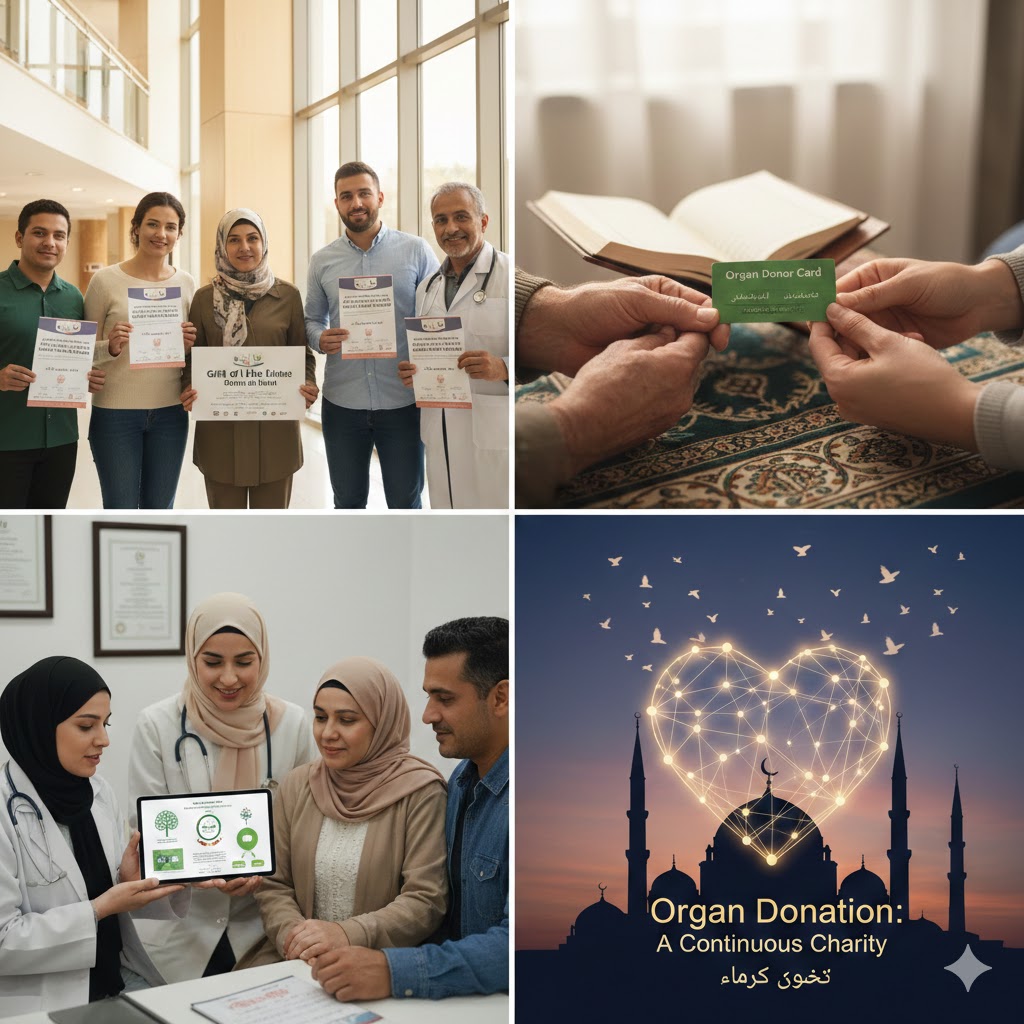
Community education programs, campaigns in mosques, and university initiatives help address misconceptions about organ donation. Clear communication about Shariah rulings, medical safeguards, and ethical practices encourages participation and reduces fear about bodily integrity or afterlife concerns.
Conclusion
Qatar’s medical ethics framework demonstrates how organ donation can be harmonized with Islamic principles. Voluntary consent, strict medical protocols, and religious oversight ensure ethical, life-saving donations. By understanding these guidelines, Muslims in Qatar can confidently participate in organ donation, balancing compassion, faith, and modern medical ethics.