
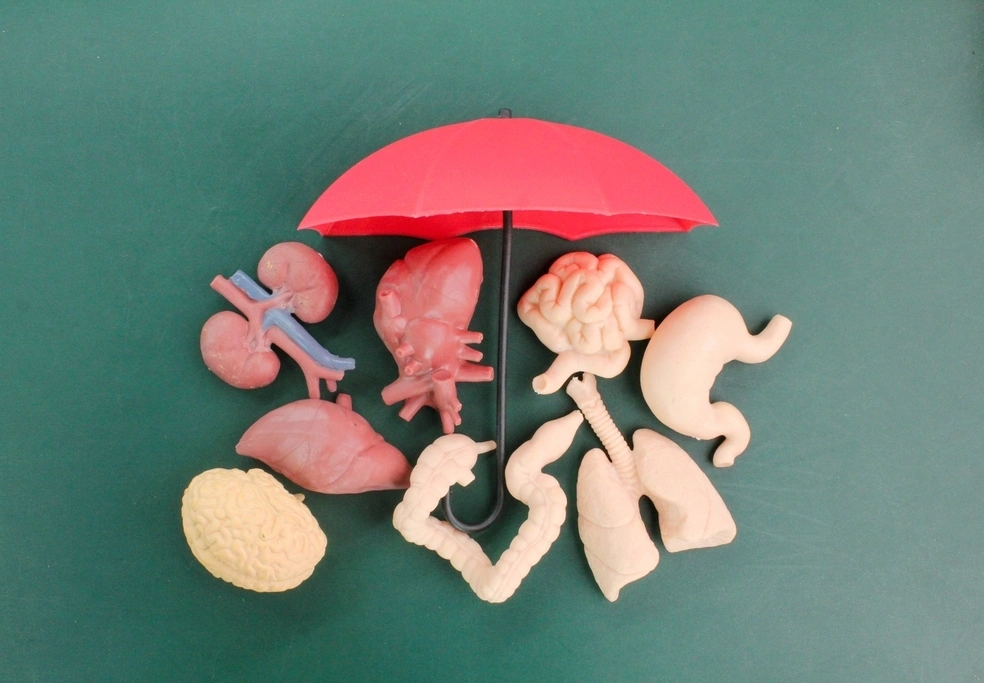




Overview of Organ Donation in Pakistan
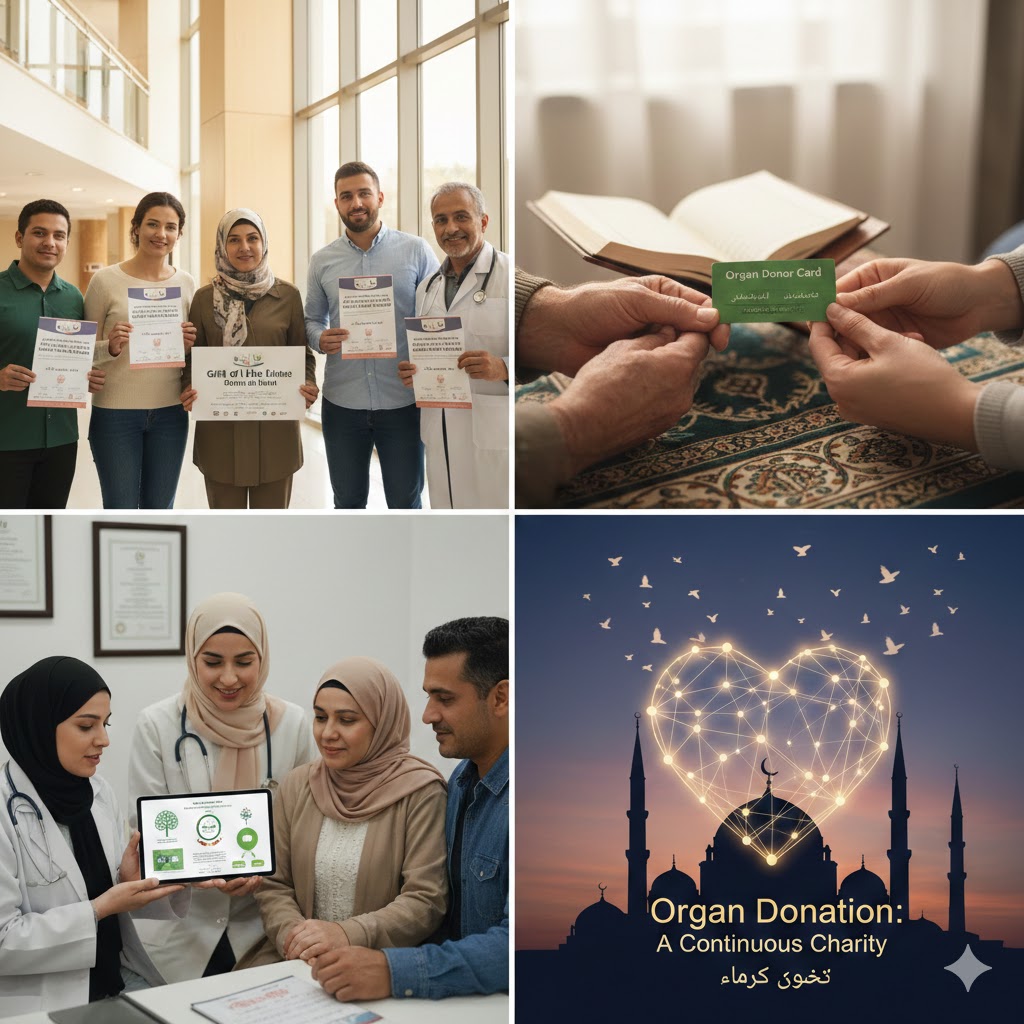
Organ donation in Pakistan has been gradually developing, guided by legal regulations, medical protocols, and Islamic ethical considerations. While the practice is relatively new, government initiatives and religious guidance have created a framework to promote ethical and life-saving organ transplantation.
Legal Framework and Regulations
The Human Organ Transplant Authority (HOTA) governs organ donation in Pakistan. Key regulations include:
- Mandatory consent from donors or their families.
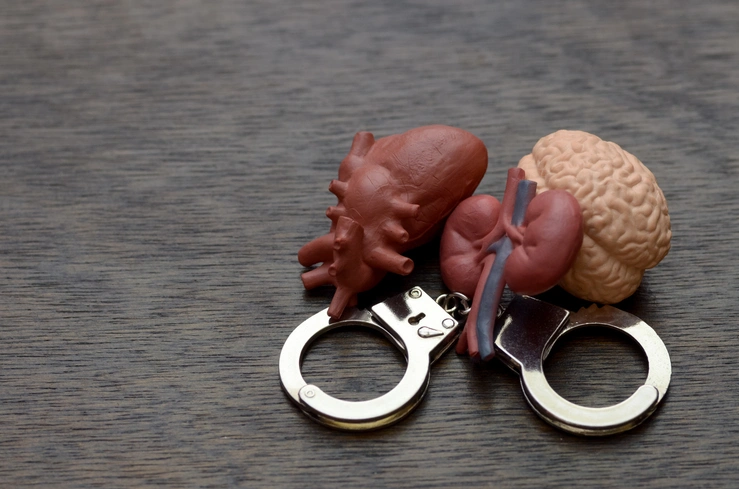
- Strict prohibition of organ trade and commercial transactions.
- Verification of medical necessity for transplantation.
- Adherence to ethical and religious standards in all procedures.
These regulations ensure transparency, protect donors, and prevent exploitation, while encouraging public trust in the medical system.
Islamic Perspective and Fatwas
Islamic scholars in Pakistan have issued fatwas permitting organ donation under regulated conditions. The guiding principle is derived from the Quran: “Whoever saves a life, it is as if he has saved all of humanity” (Surah Al-Ma’idah 5:32). Scholars emphasize that life-saving organ donation is ethically and religiously permissible when performed with consent and minimal harm.
Living Organ Donation
Living donation, especially kidney and liver transplantation, is allowed if the donor is medically fit and provides voluntary consent. Hospitals follow strict surgical protocols and post-operative care to minimize risk. Ethical oversight ensures that the donor’s health and dignity are prioritized, aligning with Islamic teachings on bodily integrity.
Posthumous Organ Donation
Posthumous donation requires prior consent from the donor or approval from the family. Medical teams ensure that the body is treated with respect, and scholars confirm that saving a life through posthumous donation is ethically and spiritually rewarding.
Challenges and Public Awareness
Despite legal frameworks, public awareness in Pakistan remains limited. Religious misconceptions and cultural fears often hinder participation. Community education programs, mosque campaigns, and media initiatives help dispel myths, clarify Islamic permissibility, and encourage Muslims to consider organ donation as a charitable and life-saving act.
Integration of Technology
Digital registries and hospital tracking systems are increasingly used to manage organ allocation efficiently. These systems enhance transparency, ensure ethical compliance, and facilitate timely transplantation, while also coordinating with religious authorities for Shariah compliance.
Conclusion
Organ donation in Pakistan is ethically and religiously supported under regulated conditions. Legal oversight, medical safeguards, and religious guidance ensure that both living and posthumous donations are permissible and safe. With increasing public awareness and proper education, Muslims in Pakistan can confidently participate in life-saving organ donation, balancing faith, ethics, and compassion.