




Organ Transplantation in India
Organ transplantation in India has grown steadily with legal regulation, medical innovation, and community engagement. For the Muslim community, religious guidance plays a crucial role in ensuring that organ donation aligns with Shariah principles, ethical norms, and societal expectations.
Legal Framework for Organ Donation
India’s Transplantation of Human Organs and Tissues Act regulates organ donation, emphasizing voluntary consent, medical suitability, and ethical practices. Commercial trade in organs is strictly prohibited. Hospitals and organ registries follow protocols to ensure fairness and transparency, while religious guidance reassures donors and their families about the moral permissibility of donation.
Role of Muslim Scholars
Muslim scholars in India have addressed concerns about bodily integrity, consent, and spiritual consequences. They emphasize that organ donation, when voluntary and life-saving, is permissible under Islamic law. The Quranic principle “Whoever saves a life, it is as if he has saved all of humanity” (Surah Al-Ma’idah 5:32) is often cited to support the ethical and religious validity of donation.
Living Organ Donation
Living donation, such as kidney or partial liver transplantation, is permitted with informed consent and thorough medical evaluation. Scholars stress that ethical oversight is essential to protect the donor’s health. In addition, the intention (niyyah) to save a life elevates the act to a morally commendable and spiritually rewarding deed.
Posthumous Organ Donation
Posthumous donation requires prior consent from the deceased or approval from family members. Religious authorities ensure that procedures are respectful, minimally invasive, and in accordance with Shariah. Scholars emphasize that donation is a charitable act benefiting society and the recipient, fulfilling Islamic ethical values.
Addressing Common Concerns
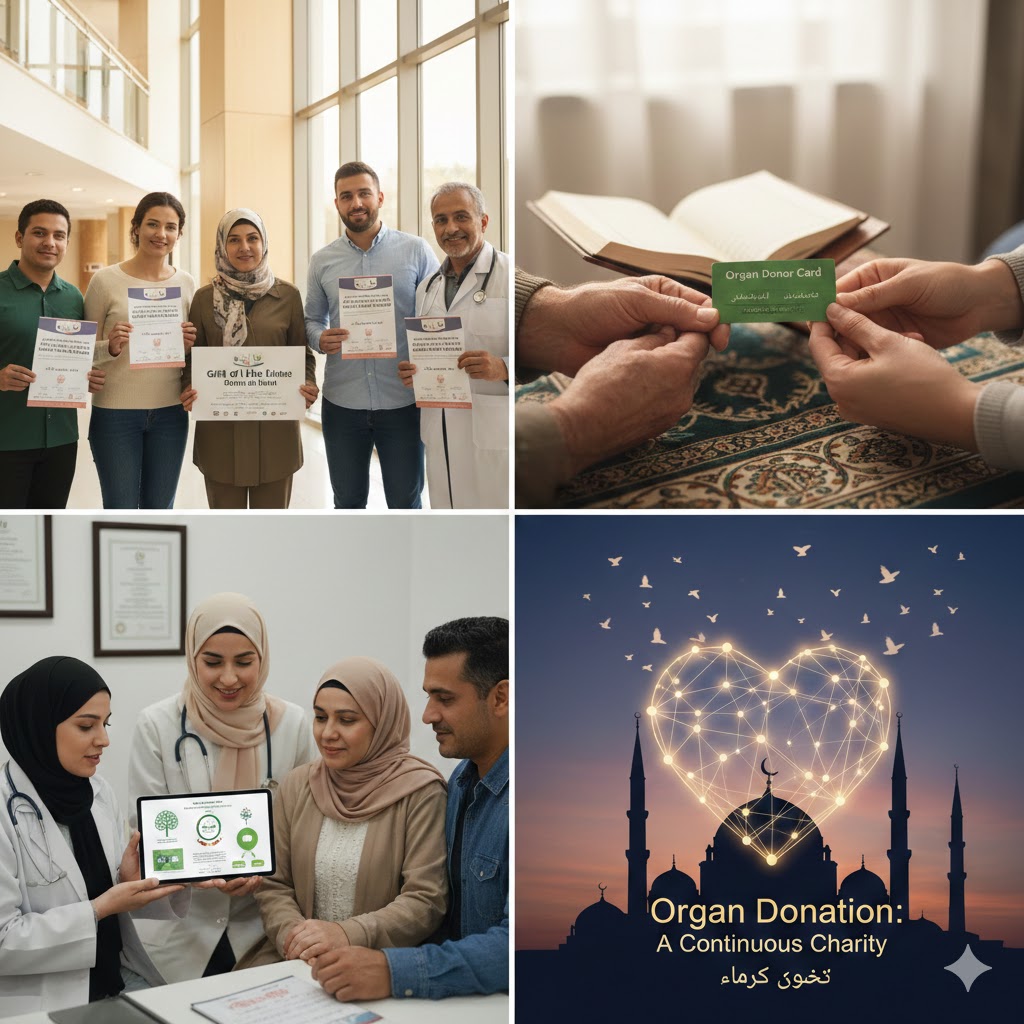
Indian Muslims often worry about bodily mutilation, afterlife implications, or cultural taboos. Religious guidance clarifies that controlled, ethical organ donation does not violate bodily integrity or affect resurrection. Educational programs in mosques, Islamic institutions, and healthcare facilities are critical to dispel myths and encourage participation.
Community and Medical Integration
Hospitals collaborate with religious leaders to ensure Shariah-compliant transplantation. Ethical review boards, consent protocols, and patient counseling are integrated into medical practice. Technology, such as digital registries and automated allocation systems, ensures transparency, efficiency, and adherence to both ethical and religious guidelines.
Conclusion
Indian Muslim scholars support organ donation as ethically and religiously permissible when conducted responsibly. Through informed consent, medical oversight, and adherence to Shariah principles, both living and posthumous donations are compatible with Islamic teachings. Education, awareness, and collaboration between healthcare providers and religious authorities empower Muslims in India to participate in life-saving organ donation with confidence and moral assurance.