


Organ Donation Among Muslims in the UK
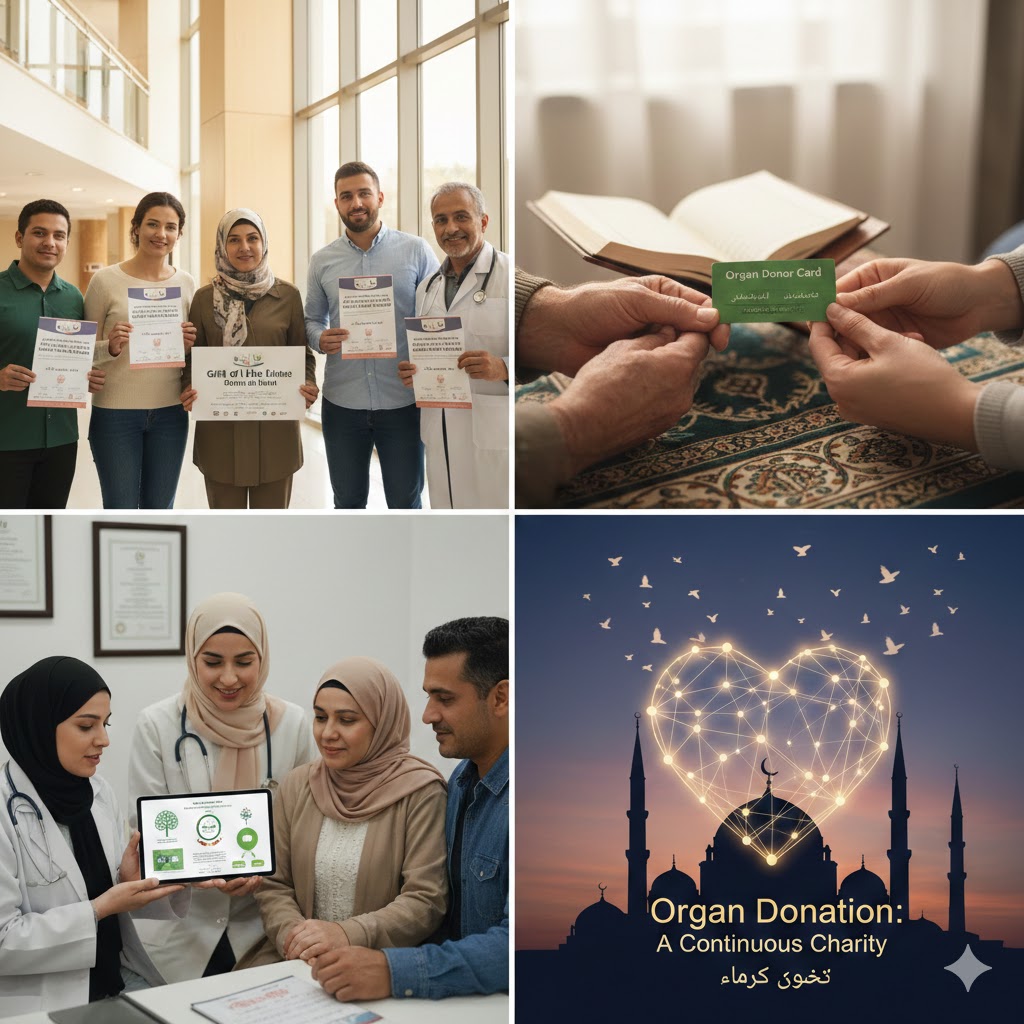
Muslim communities in the United Kingdom are increasingly engaging with organ donation, balancing religious beliefs with modern medical ethics. Community organizations, mosques, and healthcare providers work together to educate the public and ensure that organ donation aligns with both Islamic principles and UK laws.
Legal Framework in the UK
The UK has established comprehensive organ donation laws under the Human Tissue Act. The system emphasizes:
- Voluntary consent for living and deceased donors.
- Ethical allocation of organs through regulated registries.
- Strict prohibition of commercial organ trading.
- Integration of medical, ethical, and religious considerations.
These laws provide legal protection and ensure transparency while encouraging participation from all communities, including Muslims.
Islamic Guidance and Fatwas
Muslim scholars in the UK have clarified that organ donation is permissible when it saves lives and is conducted ethically. The Quran teaches: “Whoever saves a life, it is as if he has saved all of humanity” (Surah Al-Ma’idah 5:32). Fatwas from trusted authorities emphasize voluntary consent, respect for bodily integrity, and adherence to Shariah principles.
Living Organ Donation
Living donation, such as kidney or partial liver transplants, is allowed if the donor is healthy, fully informed, and voluntarily consents. Hospitals in the UK have medical protocols and ethical oversight to ensure donor safety. Religious guidance reassures donors that their actions are morally and spiritually rewarded.
Deceased Organ Donation
Posthumous donation requires prior consent or family approval. Mosques and community centers often provide educational programs to inform Muslim families about the permissibility and benefits of donation. Careful handling of the body ensures dignity is maintained while saving lives.
Community Education and Awareness
Muslim organizations in the UK collaborate with the National Health Service to host workshops, seminars, and social media campaigns. These initiatives dispel misconceptions, such as fears about bodily mutilation or spiritual consequences, and emphasize the ethical and religious permissibility of organ donation.
Technological Integration
UK hospitals use digital registries and automated systems to manage organ allocation efficiently. Integration with medical and religious guidance ensures transparency, accountability, and adherence to ethical and Shariah standards. These systems help reduce administrative errors and improve donor-recipient matching.
Conclusion
Muslims in the UK can participate in organ donation confidently, guided by Islamic principles and supported by legal and medical frameworks. Community education, religious guidance, and ethical oversight ensure that both living and deceased organ donation is permissible, safe, and socially responsible. Through informed participation, Muslim communities can contribute to life-saving medical practices while upholding faith and morality.