

Organ Donation in the United States
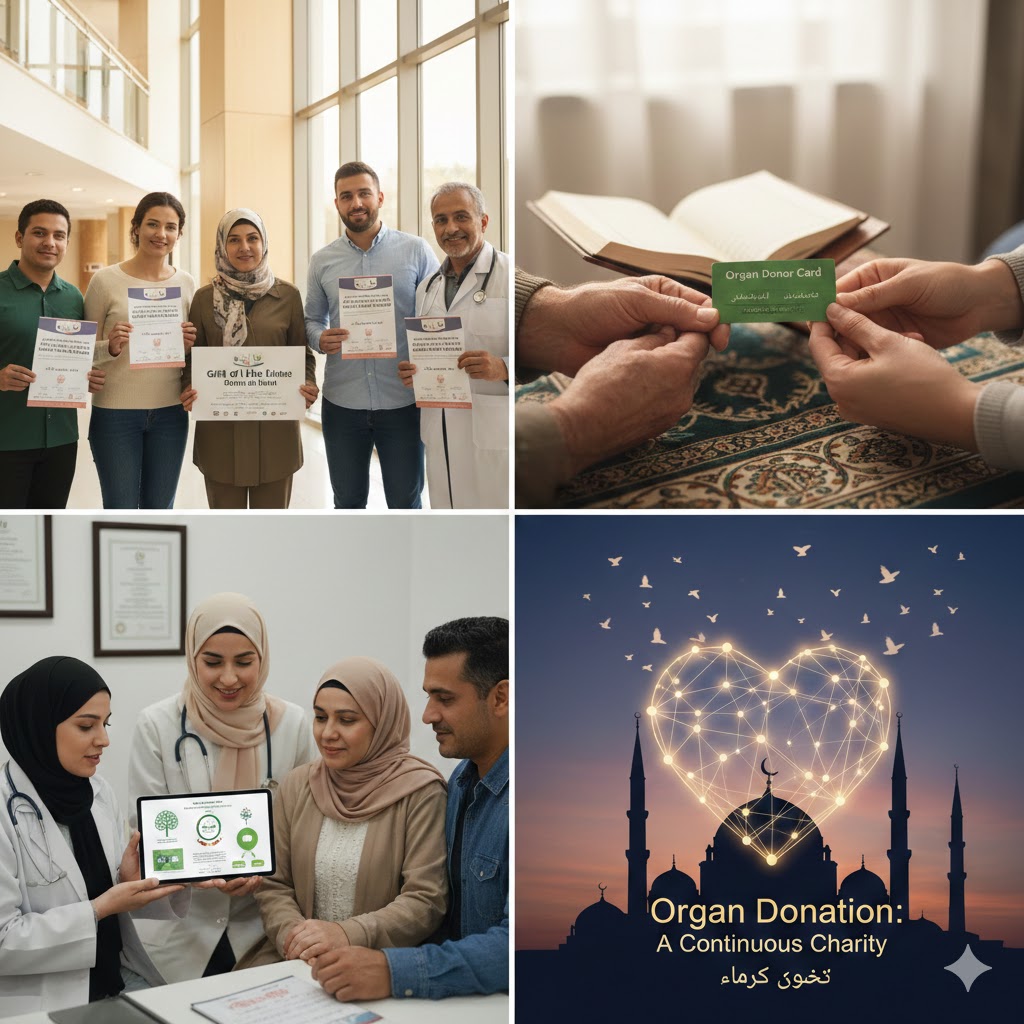
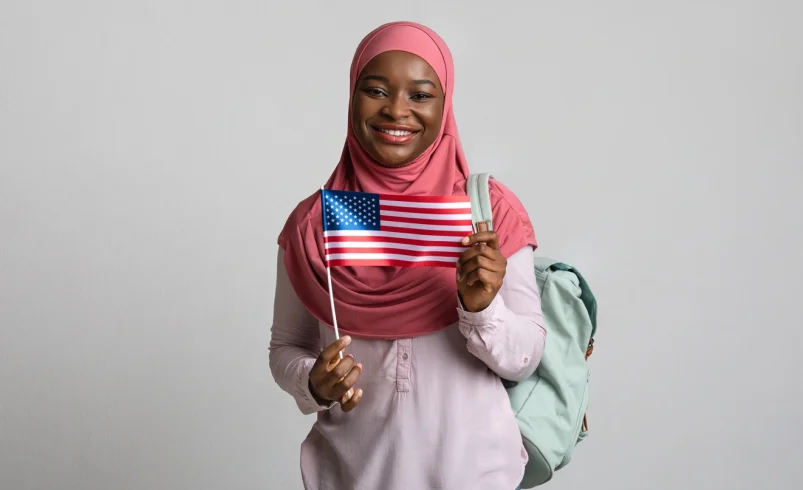
Muslims in the United States face unique challenges when it comes to organ donation, balancing religious beliefs with legal and medical frameworks. Community leaders and Islamic scholars provide guidance to ensure that organ donation aligns with both Shariah principles and U.S. healthcare regulations.
Legal Framework for Organ Donation
The United States regulates organ donation through federal and state laws. Key components include:
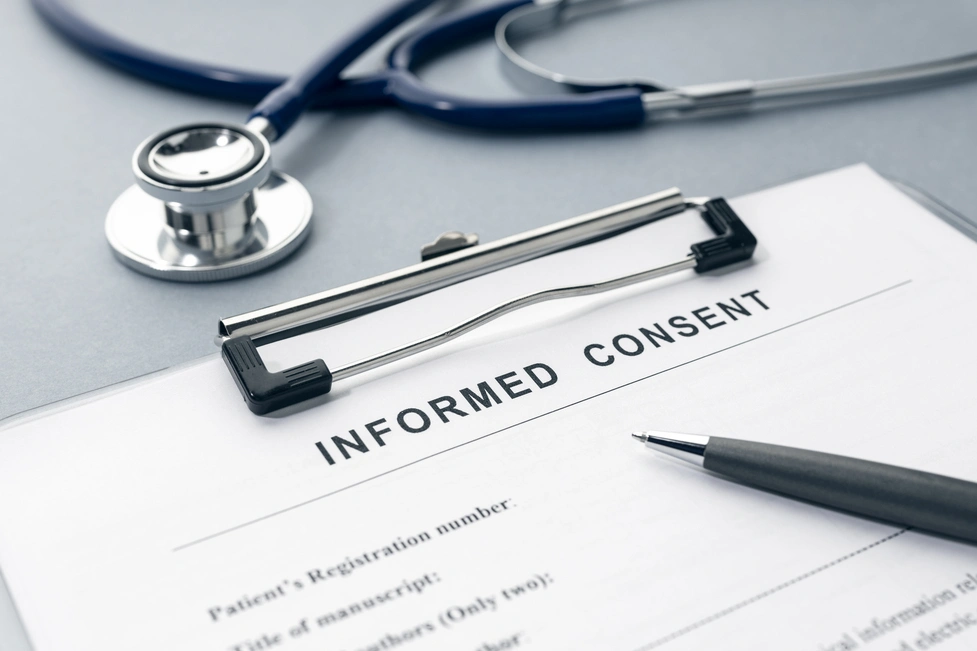
- Voluntary consent from living donors or families of deceased donors.
- Strict prohibition of commercial organ trading.
- Medical and ethical review boards overseeing allocation.
- Integration of religious guidance to ensure cultural and faith-sensitive practices.
These frameworks protect donors, recipients, and healthcare providers while maintaining public trust.
Fatwas and Religious Guidance
Islamic scholars in the U.S., including councils such as the Fiqh Council of North America (FCNA), have issued fatwas clarifying that organ donation is permissible under ethical conditions. Scholars emphasize that saving lives takes precedence, and consent, respect for bodily integrity, and Shariah compliance are essential.
Living Organ Donation
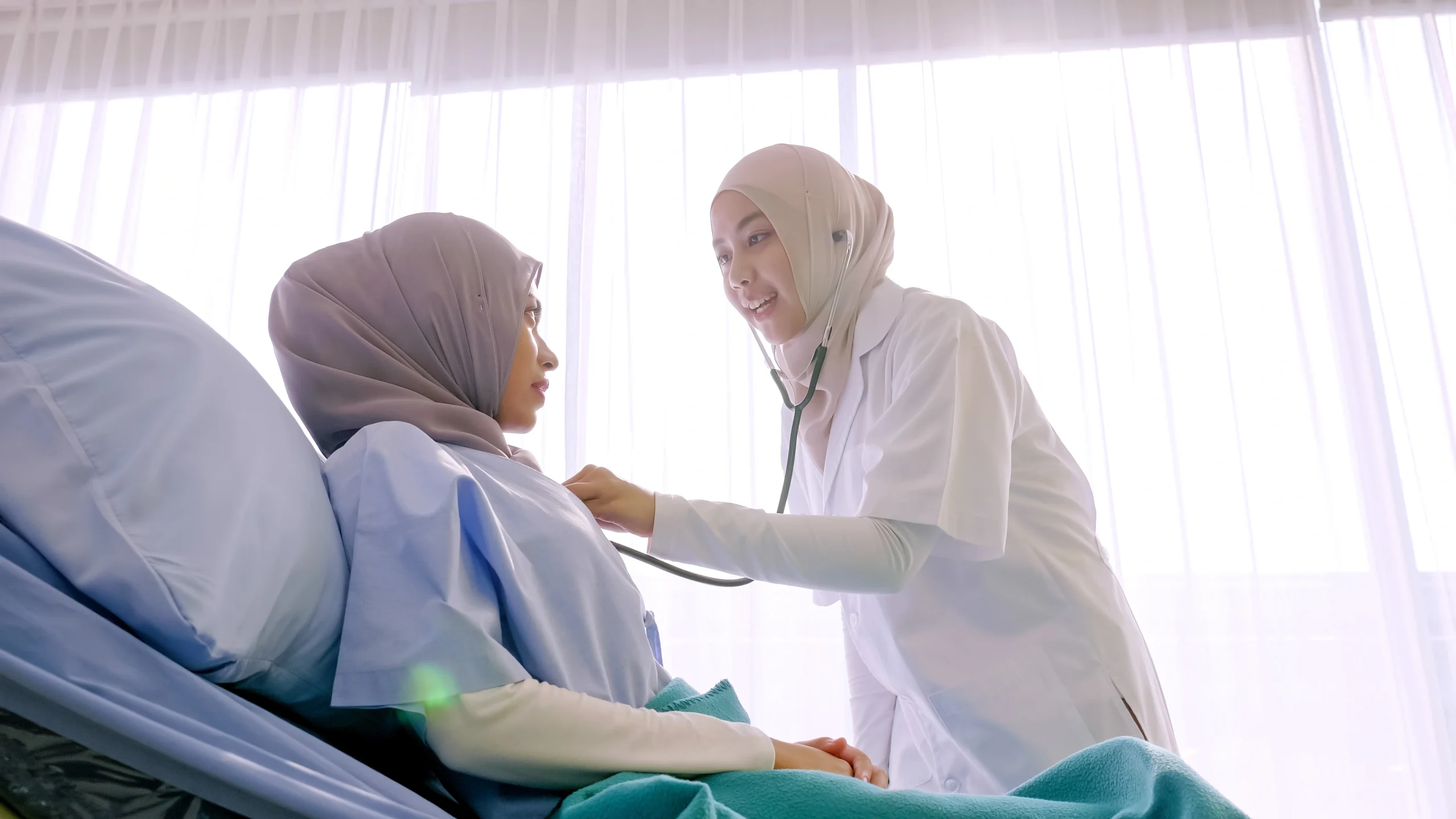
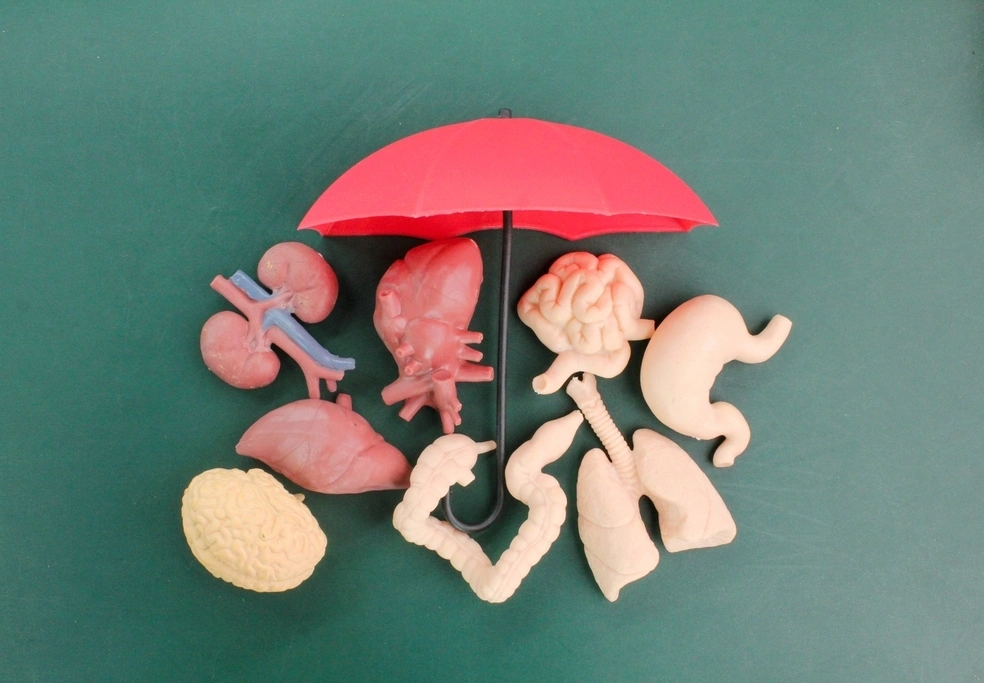
Living donations, particularly kidneys and portions of the liver, are allowed if the donor is healthy and provides informed consent. Hospitals follow rigorous medical protocols to minimize risk. Scholars affirm that ethical living donation is rewarded spiritually, especially when performed with the intention (niyyah) of helping others.
Deceased Organ Donation
Posthumous organ donation is permissible with prior consent from the donor or approval from next of kin. Islamic guidance stresses that the body should be handled respectfully, and procedures should minimize disruption. Fatwas assure Muslim families that organ donation after death is morally commendable and compatible with Islamic teachings.
Addressing Misconceptions
Some Muslims in the U.S. fear bodily mutilation, interference with resurrection, or other religious consequences. Scholars clarify that ethical donation does not affect spiritual integrity. Public education and community outreach programs help dispel these myths, encouraging participation in life-saving medical interventions.
Community Initiatives and Education
Mosques, Islamic centers, and healthcare organizations collaborate to educate communities about organ donation. Seminars, workshops, and social media campaigns explain the ethical, medical, and religious permissibility of donation, addressing both fears and cultural concerns.
Technological Integration and Transparency
U.S. hospitals utilize digital registries and organ allocation systems to ensure efficiency, fairness, and transparency. Coordination between medical professionals and religious authorities ensures that consent, ethical standards, and Shariah compliance are consistently applied, providing reassurance to Muslim donors and families.
Conclusion
Fatwas issued by Islamic authorities in the United States provide clarity and guidance for Muslims considering organ donation. Voluntary consent, ethical medical procedures, and adherence to Shariah principles make both living and posthumous organ donation permissible. Through education, community engagement, and religious guidance, Muslims in the U.S. can participate in life-saving organ donation confidently, combining faith, ethics, and compassion.