

Overview of Organ Donation in Europe
Organ donation in Europe has developed with robust legal frameworks, advanced medical systems, and growing public awareness. Muslim communities across the continent navigate these systems while ensuring that donation aligns with Islamic ethical principles and Shariah guidance. Education and religious counseling play a key role in fostering acceptance and participation.
Legal Framework and Regulations
European countries have clear regulations governing organ donation. These include:
- Voluntary consent from living donors or family members of deceased donors.
- Strict prohibition of commercial organ trade.
- Regulated allocation of organs to ensure fairness and transparency.
- Integration of ethical, medical, and religious considerations.
These legal measures create an environment where Muslims can participate in organ donation without compromising their faith.
Islamic Ethical Guidance in Europe
European Muslim scholars and organizations have issued guidance supporting organ donation when it saves lives and is ethically conducted. The Quranic principle, “Whoever saves a life, it is as if he has saved all of humanity” (Surah Al-Ma’idah 5:32), is central to these rulings. Scholars emphasize consent, minimal harm, and the donor’s intention (niyyah) as essential for ethical compliance.
Living Organ Donation
Living donation, particularly kidney and liver transplants, is permissible if the donor is healthy, fully informed, and consents voluntarily. Hospitals in Europe have rigorous surgical protocols and post-operative care, ensuring donor safety. Ethical and religious oversight reassures donors that their actions are spiritually commendable and morally permissible.
Posthumous Organ Donation
Posthumous donation requires prior consent from the deceased or approval from family members. Religious authorities emphasize the importance of treating the body with respect and dignity. Scholars confirm that saving a life through posthumous donation is ethically and spiritually rewarded.
Addressing Misconceptions
Muslims in Europe often have concerns about bodily integrity, spiritual consequences, or cultural taboos. Community education programs in mosques, Islamic centers, and healthcare organizations help dispel these myths. Clear communication about Shariah permissibility and medical safeguards encourages informed decision-making and fosters trust.
Community Engagement and Education
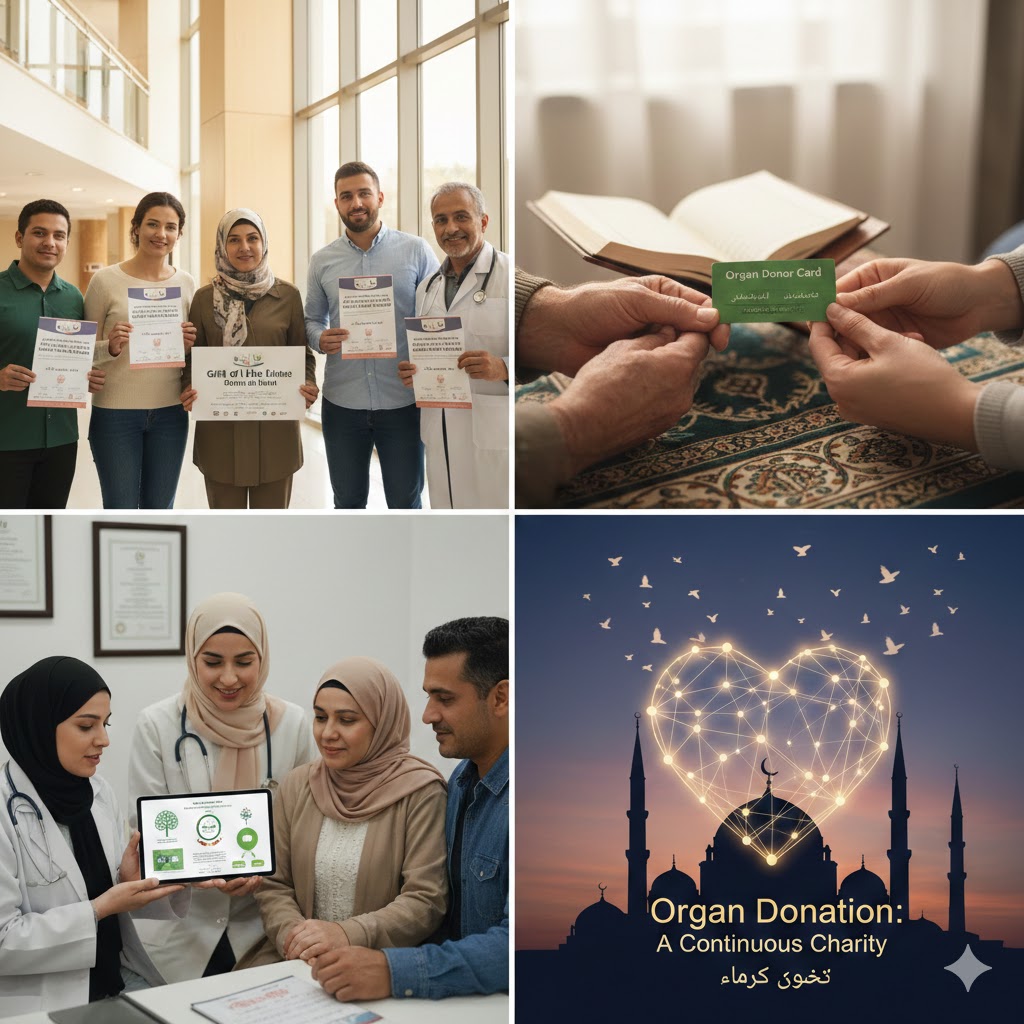
Islamic organizations collaborate with hospitals and national health services to raise awareness. Workshops, seminars, and online campaigns provide guidance on legal, medical, and ethical aspects of organ donation. These efforts help Muslim communities understand that organ donation is compatible with faith and societal responsibility.
Technological and Medical Integration
Digital registries, automated organ allocation systems, and hospital tracking mechanisms ensure transparency and efficiency. Integration of religious consultation with medical processes guarantees compliance with Shariah and ethical standards, while enhancing donor and family confidence.
Conclusion
European Muslims can participate in organ donation confidently, guided by Islamic ethics and supported by legal and medical frameworks. Voluntary consent, medical safeguards, and religious guidance ensure that both living and posthumous donations are permissible, safe, and spiritually rewarding. Through awareness, education, and ethical practice, Muslims in Europe can save lives while fulfilling religious, moral, and social responsibilities.