


Understanding the Verse
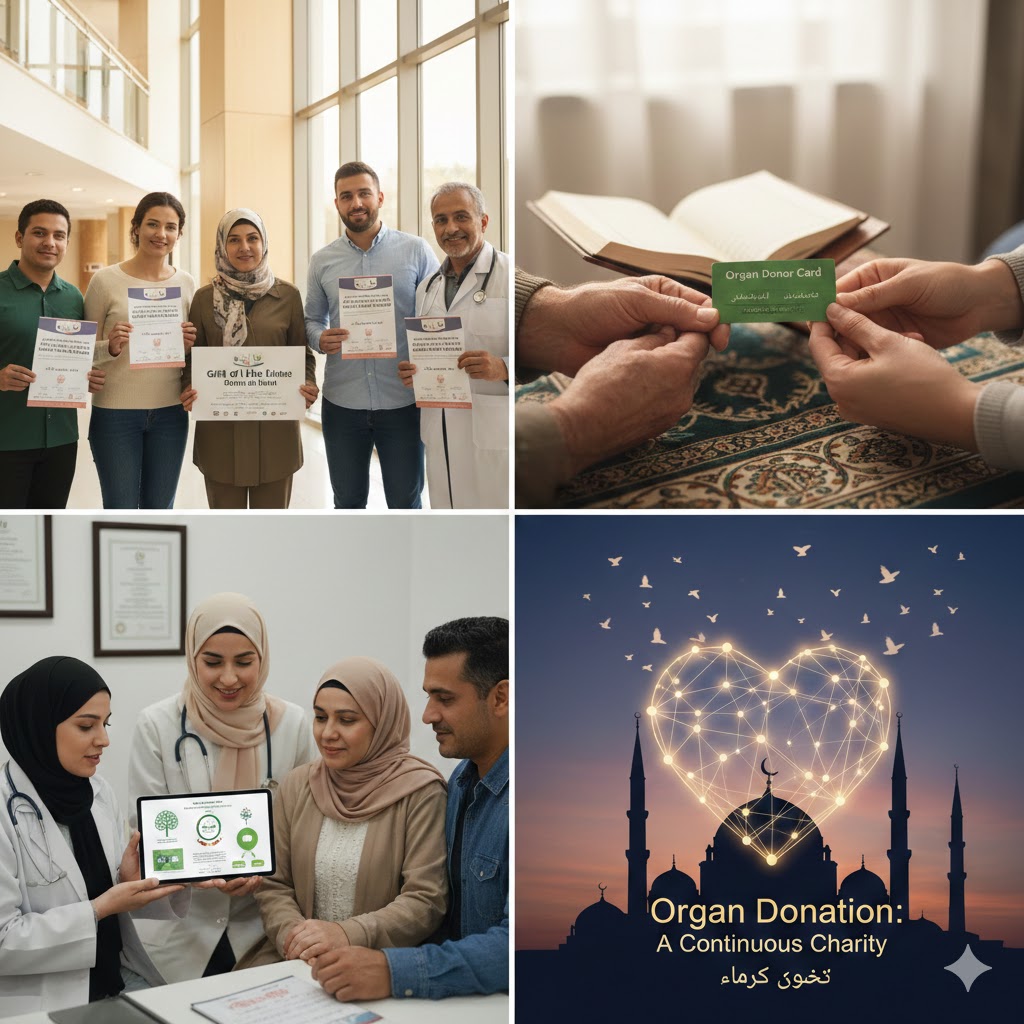
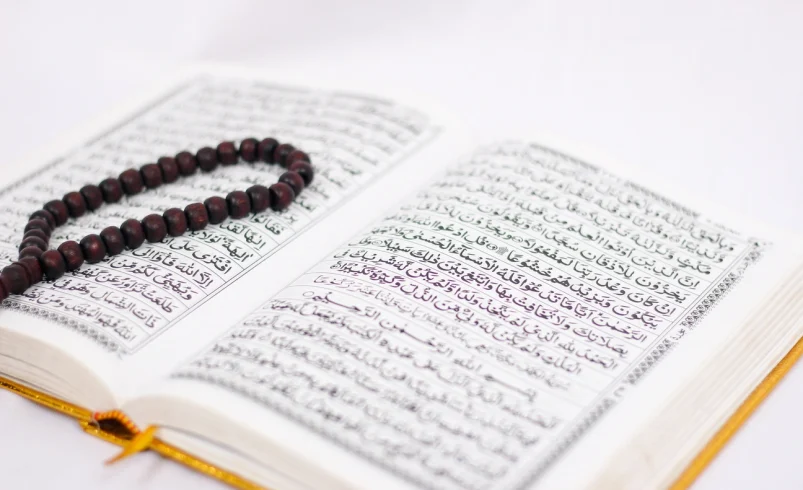
Surah Al-Ma’idah 5:32 is one of the most cited Quranic verses in discussions about life preservation: “Whoever saves a life, it is as if they have saved all of humanity.” This verse highlights the immense value Islam places on human life. Modern medicine, particularly organ transplantation, provides a practical mechanism to embody this Quranic directive, allowing individuals to save lives literally and meaningfully.
Life-Saving Through Organ Donation
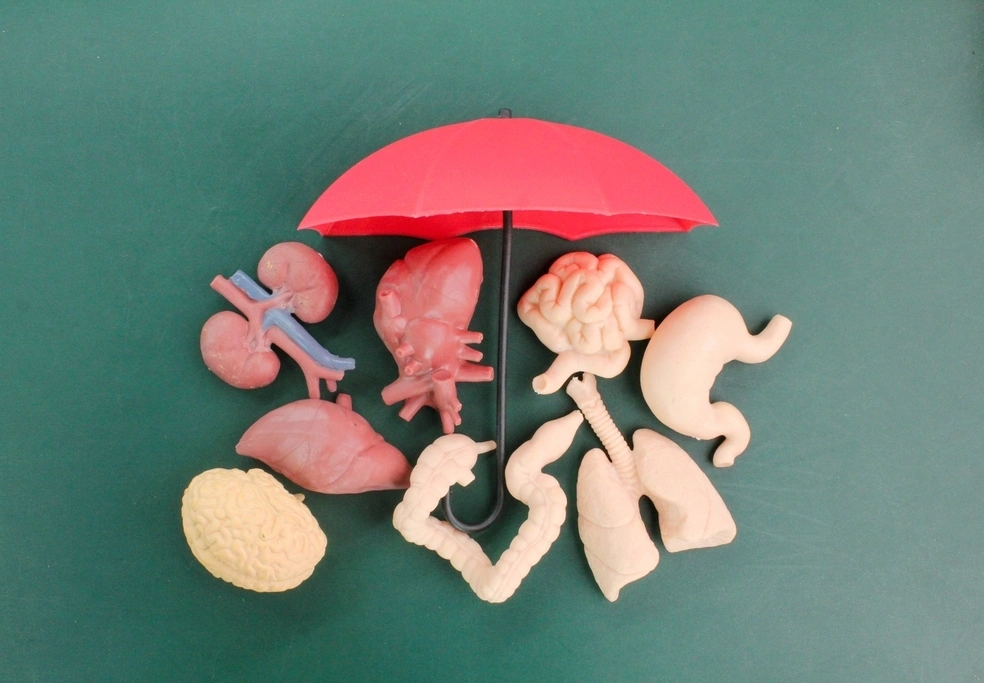
Advances in medical science have made it possible to save lives through kidney, liver, heart, and lung transplants. Each donation can rescue individuals facing critical organ failure, directly applying the Quranic principle in tangible terms. Scholars emphasize that such acts fall under the category of maslahah, or public benefit, which is encouraged in Islamic jurisprudence. Properly conducted organ transplants honor the spirit of the verse by providing life-saving interventions in an ethical and responsible manner.
Medical Ethics in Alignment with Shariah
Organ donation in the modern medical context follows strict ethical guidelines, ensuring donors’ rights are respected and recipients benefit safely. Brain death protocols, living donor regulations, and posthumous donation procedures all align with Shariah when handled transparently. Organizations such as the Islamic Fiqh Academy provide rulings confirming the permissibility of life-saving medical procedures, ensuring that Muslims can participate without compromising religious principles.
Compassion and Human Responsibility
The verse also emphasizes moral responsibility. Saving a life is not merely an optional act of kindness; it is a moral duty that reflects Islam’s commitment to justice, mercy, and compassion. Organ donation enables Muslims to enact this responsibility practically. By contributing to medical solutions that prevent premature death, donors and families embody the ethical teachings of Islam, transforming abstract moral values into real-world impact.
Addressing Misinterpretations
Some critics argue that organ donation could violate bodily integrity or posthumous respect. However, Islamic scholars clarify that the intent (niyyah) to save life outweighs these concerns. Both living donors and families of deceased donors act ethically when guided by medical standards and religious consultation. Resources like Sound Vision provide practical guidance for navigating these considerations within an Islamic framework.
Integration into Modern Healthcare
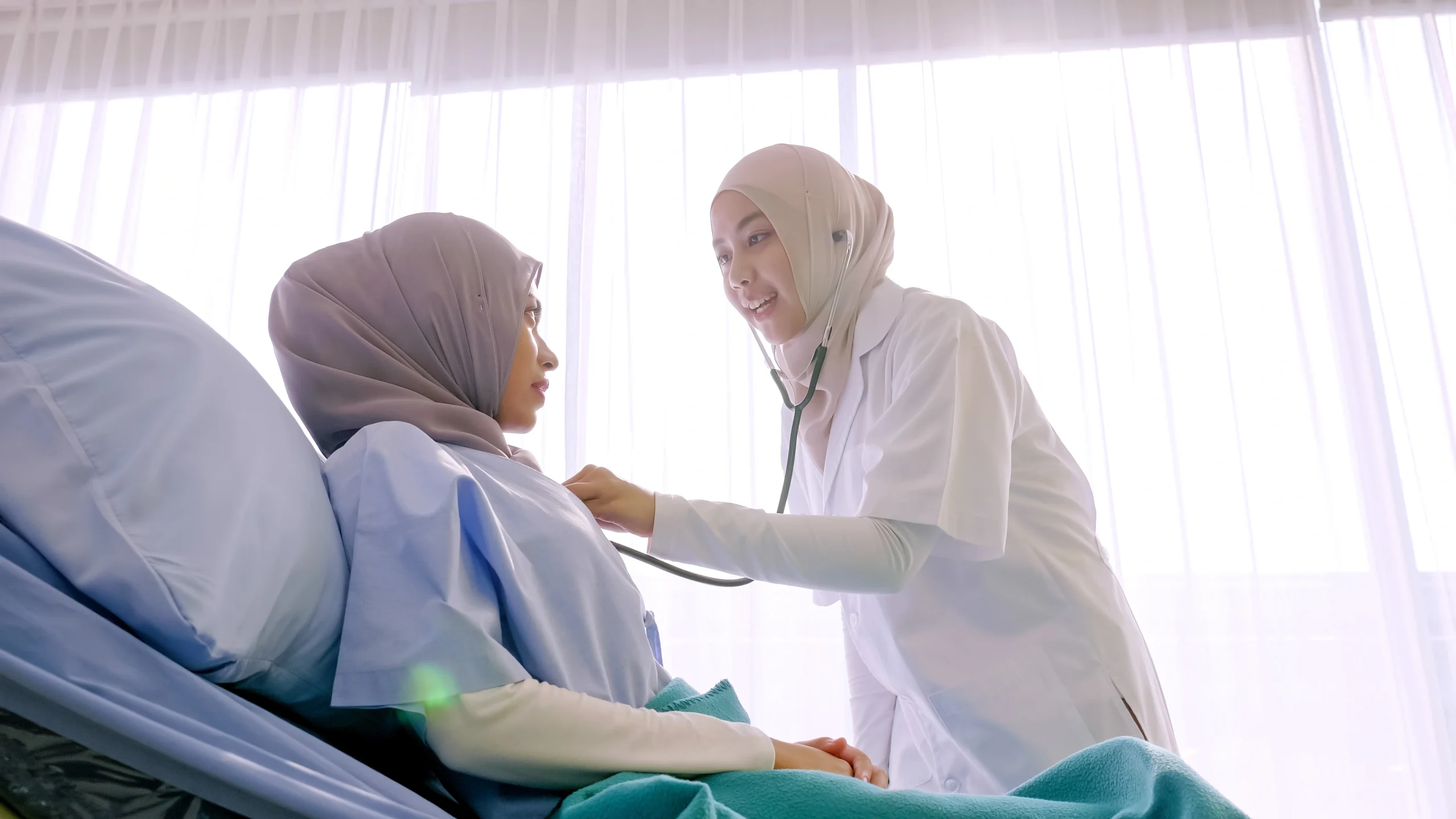
Hospitals and transplant programs now operate under regulated systems that ensure fairness, safety, and informed consent. Muslim patients and donors are encouraged to consult healthcare professionals while considering scholarly opinions, bridging the gap between religious guidance and medical practice. This integration demonstrates that the Quranic verse is not only relevant to ethical reflection but also to concrete, life-saving action.
Conclusion
Surah Al-Ma’idah 5:32 continues to resonate in today’s medical era, providing spiritual justification and moral motivation for organ donation. By understanding and applying this verse, Muslims can make informed, compassionate decisions that save lives. Life-saving interventions are not just permissible—they are encouraged when carried out ethically. The Quranic message of protecting humanity finds its modern expression in organ transplantation, aligning faith with practical action.