



Preservation of Life in Islam
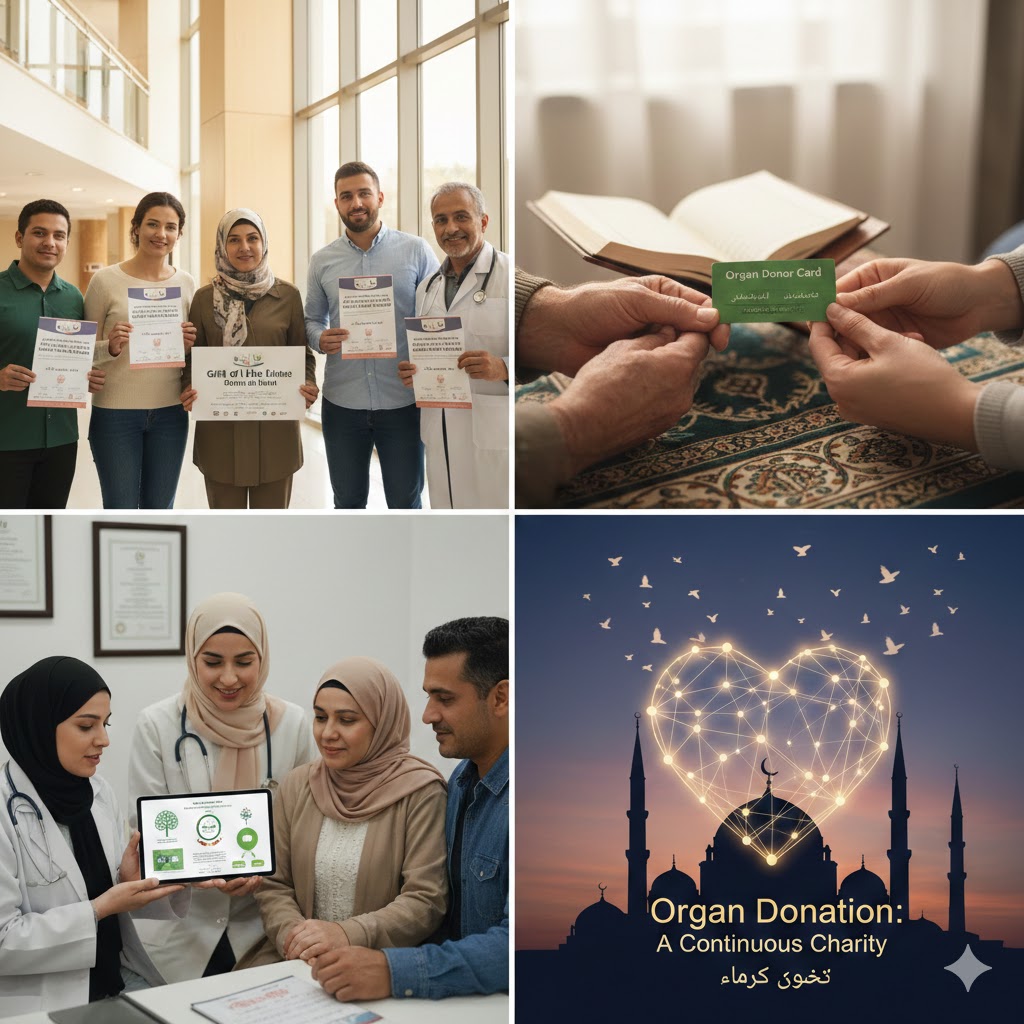
In Islamic teachings, the preservation of human life is a fundamental principle, emphasized repeatedly throughout the Quran. Life is considered a sacred trust from Allah, and any action that safeguards it is regarded as virtuous. This principle extends naturally to modern medical practices, including organ donation. By donating organs, Muslims can actively contribute to saving lives, reflecting the Quranic directive to protect and honor human life.
Quranic Guidance on Saving Lives
The verse in Surah Al-Ma’idah 5:32 illustrates this principle most clearly, stating that saving a single life is equivalent to saving all of humanity. Scholars interpret this verse as a call to action for Muslims to engage in life-saving activities whenever possible. Organ transplantation, which directly prevents death in cases of organ failure, aligns perfectly with this teaching. It transforms medical interventions into acts of religious significance.
Compassion and Mercy as Motivators
The Quran repeatedly emphasizes compassion, mercy, and altruism. Organ donation is not just a medical procedure; it is a reflection of these values in action. By choosing to donate, individuals extend mercy to strangers and relatives alike, fulfilling the broader ethical mandates of Islam. The Islamic Fiqh Academy often highlights that acts benefiting others, especially those preserving life, are highly encouraged and considered morally praiseworthy.
Medical Ethics and Islamic Compliance
Modern medical practices provide structured frameworks that ensure organ donation adheres to ethical and religious guidelines. Brain death protocols, organ matching systems, and transplant registries maintain transparency and respect for donors and recipients. These protocols are designed to align with Shariah principles, ensuring that the act of donation is not only medically sound but also ethically compliant. Resources such as Sound Vision provide guidance for Muslims navigating these decisions within religious boundaries.
Addressing Misconceptions About Organ Donation
Some Muslims may hesitate due to concerns about bodily integrity or respect for the deceased. However, Islamic scholars widely agree that the intention (niyyah) to save life supersedes these concerns. Living donors and families who consent to posthumous donations are acting in line with Islamic ethics, provided the process respects medical standards and religious teachings. This approach balances religious reverence with humanitarian action.
Intention and Spiritual Reward
Intention plays a crucial role in determining the spiritual value of an act in Islam. Organ donation, undertaken with the sincere intention of saving lives, can be considered a form of sadaqah jariyah — ongoing charity that benefits others even after the donor’s death. Such actions provide both tangible life-saving outcomes and spiritual rewards, reinforcing the interconnectedness of faith and practical humanitarian efforts.
Community and Educational Support
Muslims are encouraged to seek guidance from scholars, religious bodies, and educational platforms to make informed decisions about organ donation. Institutions like the Islamic Fiqh Academy and Sound Vision offer comprehensive insights into the permissibility, procedures, and ethical considerations of organ donation. Community awareness programs further help families understand and embrace the practice, promoting both public health and religious alignment.
Conclusion
In summary, the Quran provides a clear ethical and spiritual framework that supports life-saving actions such as organ donation. By considering the preservation of life, compassion, and intention, Muslims can approach organ donation as a religiously encouraged and morally responsible act. Aligning modern medical practices with Islamic guidance allows believers to fulfill their spiritual duties while actively contributing to the welfare of others. Organ donation becomes more than a medical intervention — it is a profound expression of faith, mercy, and service to humanity.