

The Principle of Removing Harm in Islamic Law
One of the fundamental objectives of Shariah is the protection of life and prevention of harm. The legal maxim al-darar yuzal (“harm must be removed”) emphasizes that actions causing harm—whether physical, spiritual, or social—should be prevented or mitigated. This principle is highly relevant in medical ethics, including organ donation, where careful evaluation ensures that interventions save lives without causing undue harm.
Quranic and Prophetic Foundations
The Quran instructs: “And do not kill yourselves [or one another]. Indeed, Allah is to you ever Merciful” (Surah An-Nisa 4:29). This verse underscores the sanctity of life and the obligation to prevent harm. Additionally, the Prophet Muhammad (peace be upon him) said: “There should be neither harming nor reciprocating harm” (Sunan Ibn Majah 14:13), highlighting the moral duty to avoid harm in all actions.
Application to Organ Donation
Organ transplantation involves weighing the potential benefits against possible harms. Living donors must undergo thorough medical assessment to ensure that surgery does not endanger their health. Similarly, posthumous donation must respect the deceased’s body to minimize ethical and psychological harm. Islamic ethics prioritize preserving life while avoiding unnecessary injury or violation of bodily integrity.
Medical Necessity and Harm Reduction
In medical practice, the principle of removing harm supports interventions that save lives even if they involve minor physical alteration. For instance, organ removal from a deceased donor or a healthy kidney donation from a living donor is permissible when risks are minimized, and the benefit of saving a life is substantial. Scholars consider such actions ethically justified under Shariah.
Scholarly Opinions
Classical jurists emphasized that preventing harm is a core objective of Islamic law, applicable to public health and medical ethics. Contemporary scholars, including those from the Islamic Fiqh Academy, highlight that organ transplantation aligns with this principle. Life-saving procedures are encouraged, provided that medical standards are followed to minimize harm to both donors and recipients.
Balancing Benefits and Harms
Islamic law requires a careful balance between the potential benefit of saving life and the potential harm to the donor or medical team. This balance ensures ethical decision-making in living and posthumous organ donation. Medical evaluations, surgical protocols, and ethical oversight committees help achieve this balance in practice, reflecting Shariah principles in modern healthcare.
Practical Examples
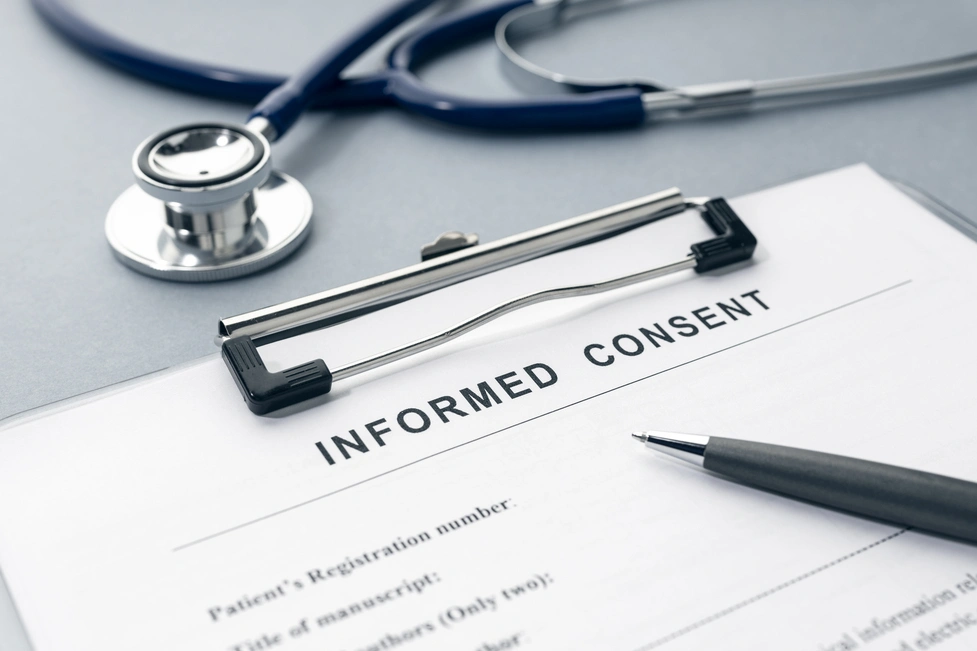
Consider a patient with end-stage kidney failure. Receiving a transplant can save their life, while the donor undergoes a minor procedure with manageable risks. By following medical guidelines and ensuring informed consent, harm is minimized, and life is preserved. Similarly, posthumous organ retrieval is performed respectfully, reducing ethical and emotional harm to families.
Conclusion
The principle of removing harm is a cornerstone of Islamic law that guides ethical organ donation. By prioritizing life, minimizing risks, and respecting ethical and religious guidelines, Muslims can engage in organ donation responsibly. Medical oversight, informed consent, and Shariah compliance ensure that organ transplantation preserves life while upholding the moral and ethical standards emphasized in Islam.