




Importance of Including Organ Donation in a Will
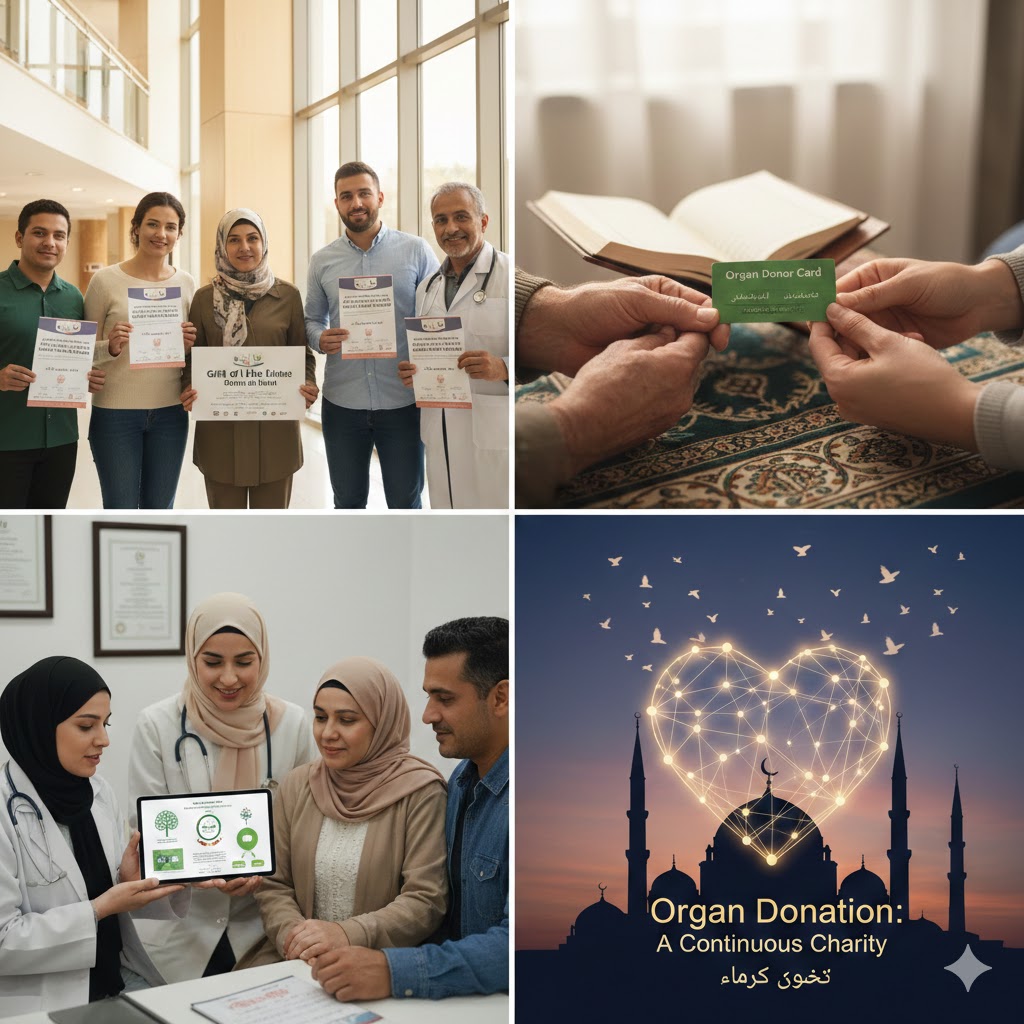
Writing organ donation instructions in an Islamic will, or Wasiyyah, ensures that the donor’s wishes are respected after death. It provides clarity for families, aligns with Shariah principles, and facilitates ethical and timely organ transplantation. Proper documentation minimizes confusion, protects the deceased’s dignity, and ensures life-saving donations can proceed without legal or religious obstacles.
Islamic Legal Foundations
Islamic law permits a person to allocate up to one-third of their estate through Wasiyyah for charitable purposes, including organ donation, provided it does not infringe upon the rights of heirs (Surah Al-Baqarah 2:180). Scholars emphasize that explicit instructions in a will reflect the donor’s intention (niyyah), which is crucial for moral and spiritual accountability in Islam.
Steps to Include Organ Donation in a Will
Muslims can follow these steps to ensure Shariah-compliant documentation:
- Specify the intention: Clearly state that the purpose is to save lives and provide ongoing benefit (sadaqah jariyah).
- Identify the organs: Specify which organs are to be donated and under what circumstances (living or posthumous donation).
- Consent for family involvement: Ensure that family members are aware of and support the donor’s wishes to avoid disputes.
- Legal registration: Document the will according to national law while ensuring it aligns with Shariah requirements.
- Medical coordination: Share information with hospitals or organ registries for smooth implementation.
Religious Considerations
Islamic scholars emphasize the importance of intention in organ donation. If the donor’s purpose is to save lives, the act is spiritually rewarding. By including organ donation in a Wasiyyah, the donor ensures that their intention is documented and legally recognized, reflecting both moral and religious responsibility.
Addressing Family Concerns
Families may be hesitant due to concerns about bodily integrity, funeral procedures, or religious beliefs. Clear instructions in a will help mitigate these concerns by providing religious context and ethical justification. Scholars advise open discussion with family members to ensure that the donation aligns with both the deceased’s wishes and Islamic principles.
Integration with Healthcare Systems
Hospitals and organ registries can coordinate with families and legal representatives to ensure that the donor’s wishes are honored. Digital registration systems, combined with the written will, improve transparency and efficiency, making posthumous organ donation faster and more ethical.
Practical Example
For instance, a Muslim donor may specify in their will that their kidneys and corneas be donated upon death. By documenting this intention, informing family members, and registering with a hospital or national organ registry, the donation can proceed smoothly. Religious authorities confirm that such instructions fulfill both moral and Shariah obligations.
Conclusion
Including organ donation in an Islamic will is a practical, ethical, and religiously sound way to ensure life-saving contributions after death. Proper documentation, clear intention, and family coordination allow Muslims to honor their faith, preserve life, and leave a lasting charitable impact. By following Shariah-compliant procedures, organ donation through a Wasiyyah becomes both a legal and spiritual act of service.